CM Dhami Accelerates 2027 Kumbh Prep, Vows to Guard Devbhoomi Identity
Synopsis
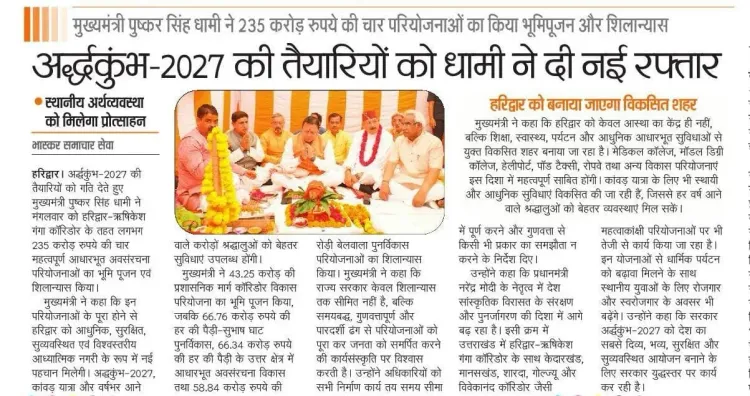
Uttarakhand CM Pushkar Singh Dhami on 22 July 2026 announced accelerated preparations for the 2027 Kumbh Mela in Haridwar, pledging that the state's development will protect its Devbhoomi cultural and spiritual identity.
Key Takeaways
CM Pushkar Singh Dhami posted on 22 July 2026 that all preparations for the 2027 Kumbh Mela are being completed rapidly.
He described Uttarakhand as globally recognised by its identity as Devbhoomi — the Land of the Gods.
The government has pledged to direct development in a way that keeps the state's cultural and spiritual identity intact.
Haridwar is the primary venue for the Kumbh Mela in Uttarakhand, requiring large-scale temporary and permanent infrastructure investment.
The state has a long record of infrastructure-led Kumbh preparation, including extensive works ahead of the 2010 Haridwar Kumbh .
Key areas to watch include state budget allocations, ghat construction, sanitation upgrades, and transport logistics for the 2027 festival.
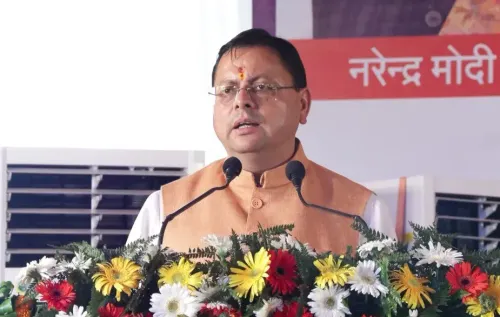
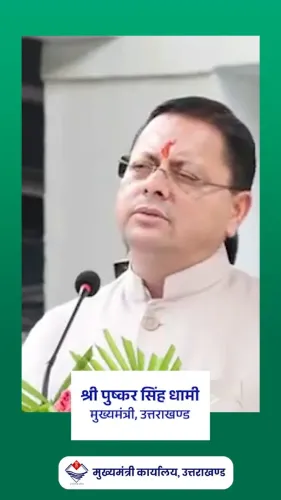
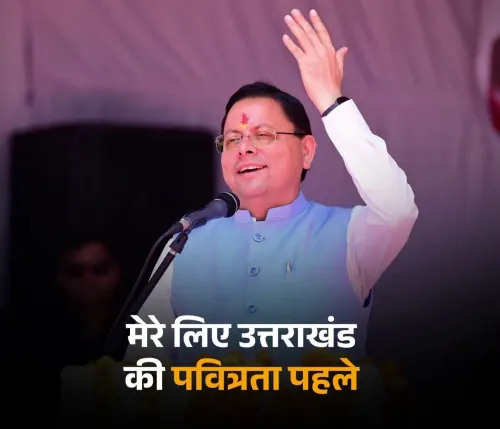
Uttarakhand Chief Minister Pushkar Singh Dhami on Wednesday, 22 July 2026, reaffirmed his government's commitment to preserving the state's sacred cultural identity while fast-tracking preparations for the 2027 Kumbh Mela in Haridwar. Posting on X, the Chief Minister said all necessary groundwork for the upcoming festival is being completed at an accelerated pace.
In his post, CM Dhami wrote: 'Vishwabhar mein Uttarakhand Devbhoomi ke naam se prasiddh hai' ('Uttarakhand is known across the world by the name Devbhoomi'), adding that his government is steering the state's development in a direction that keeps its cultural and spiritual identity intact. He specifically noted that all necessary preparations keeping the 2027 Kumbh in view are being completed rapidly.Context
Uttarakhand is constitutionally and colloquially recognised as Devbhoomi — the Land of the Gods — owing to its dense concentration of Hindu pilgrimage centres, including Haridwar, Rishikesh, and the four Char Dham shrines of Kedarnath, Badrinath, Gangotri, and Yamunotri. The identity is not merely symbolic; it shapes land-use policy, tourism planning, and infrastructure priorities across the hill state. CM Dhami's statement signals that this dual mandate — development alongside spiritual preservation — will define the government's approach in the run-up to the next Kumbh cycle.
Policy Backdrop
Successive state governments have tied large-scale infrastructure investment to the religious calendar. Ahead of the 2010 Haridwar Kumbh Mela, the state undertook extensive sanitation, ghat renovation, and crowd-management works. The Char Dham All-Weather Road Project, launched in 2016, sought to improve pilgrim access while pledging minimal ecological disruption — a balance that has remained politically and legally contested. The current administration's focus on the 2027 Kumbh continues this pattern, with state budget allocations, temporary ghat construction, sanitation upgrades, and transport logistics expected to form the core of preparatory activity.
Stakeholders and Impact
The most immediate beneficiaries of accelerated Kumbh preparations are the millions of pilgrims who travel to Haridwar for the festival, alongside local residents and the region's tourism and hospitality operators. Infrastructure built for the Kumbh — roads, drainage, accommodation facilities — typically delivers long-term dividends to Haridwar district and surrounding areas. Environmental groups and local communities in ecologically sensitive zones have historically scrutinised the pace and scale of such construction, particularly given Uttarakhand's fragile Himalayan terrain and its status as a critical watershed for the Ganga river system.
What's Next
Attention will now turn to state budget allocations earmarked specifically for 2027 Kumbh infrastructure, inter-ministerial coordination meetings, and timelines for land acquisition and ghat development along the Ganga in Haridwar. The BJP-led government's ability to deliver visible progress on the ground before the festival will be a key political benchmark, given the party's broader national emphasis on Hindu pilgrimage circuits as both cultural and economic priorities. How the administration balances rapid construction with ecological safeguards in a sensitive Himalayan state will also be closely watched.
Point of View
And the development-focused voter who wants visible infrastructure progress. By framing Kumbh preparations as an extension of Devbhoomi identity rather than mere event management, the Chief Minister positions the state government as a custodian of civilisational heritage — a narrative that aligns tightly with the BJP's national cultural politics. The 2027 timeline also gives the administration a concrete deliverable to campaign on ahead of the next state election cycle. Whether the government can reconcile rapid construction with Uttarakhand's ecological sensitivities will determine how durable that narrative proves.
NationPress
21 Oct 2026
Frequently Asked Questions
When is the next Kumbh Mela in Haridwar?
CM Dhami's post references the 2027 Kumbh Mela in Haridwar, Uttarakhand, for which state preparations are currently being accelerated.
Why is Uttarakhand called Devbhoomi?
Uttarakhand is called Devbhoomi — meaning 'Land of the Gods' — because it is home to major Hindu pilgrimage centres including Haridwar, Rishikesh, and the four Char Dham shrines of Kedarnath, Badrinath, Gangotri, and Yamunotri.
What preparations are being made for the 2027 Kumbh Mela?
CM Dhami has stated that all necessary preparations are being completed rapidly; based on past Kumbh cycles, these typically include ghat construction, sanitation infrastructure, crowd management systems, and transport upgrades in Haridwar.
Who is Pushkar Singh Dhami?
Pushkar Singh Dhami is the Chief Minister of Uttarakhand and a BJP leader who has held the post since July 2021, previously serving as a cabinet minister in the state government.
How has Uttarakhand prepared for Kumbh Mela in the past?
Ahead of the 2010 Haridwar Kumbh Mela, the state government undertook extensive sanitation, ghat renovation, and crowd-management works; the Char Dham All-Weather Road Project launched in 2016 also aimed to improve pilgrim access across the state.