India's power grid strategy gives smaller Asian nations more diplomatic leverage
Synopsis
India is quietly reshaping South Asian geopolitics not by matching China's spending, but by connecting markets — routing Nepal's electricity to Bangladesh through its own grid and partnering with Australia on critical minerals. An Australian policy institute argues this connectivity model gives smaller nations genuine choices and reduces single-supplier dependence, which may prove more durable than debt-financed infrastructure diplomacy.
Key Takeaways
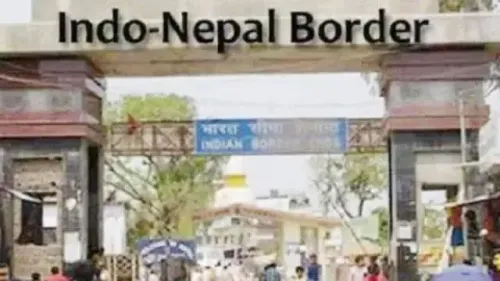
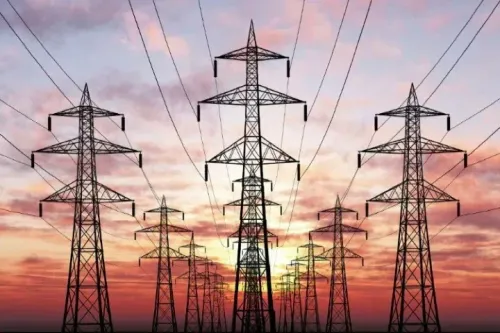
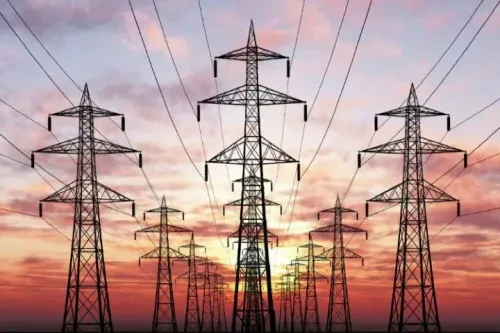
Nepal's electricity exports to Bangladesh are routed through India's power grid , illustrating New Delhi's role as a regional connectivity enabler.
An analysis by the Australian Institute of International Affairs argues India's approach gives smaller South Asian countries greater bargaining power, unlike China's project-financing model.
The IEA's 2026 assessment estimates China held 95 per cent of global solar wafer manufacturing capacity in 2024 , underlining upstream supply-chain risks.
The Australia-India Critical Minerals Investment Partnership (2023) identified two lithium and three cobalt projects for due diligence to supply Indian manufacturing.
The analysis recommends jointly funding feasibility studies for South Asian electricity interconnections and linking critical mineral projects to long-term purchasing agreements.
India is emerging as a regional connectivity enabler in South Asia, offering smaller neighbouring countries expanded trading and diplomatic options — a contrast to the infrastructure-financing model associated with China. A recent analysis published by the Australian Institute of International Affairs highlights how Nepal's electricity export to Bangladesh routed through India's power grid exemplifies this approach, giving both nations greater bargaining power and room to manoeuvre in their diplomatic relations.
The Strategic Logic Behind Regional Electricity Trade
The Nepal-Bangladesh power arrangement is more than a commercial transaction — it is a template, according to the analysis. Unlike Beijing's project-by-project spending model, India's approach focuses on connecting markets, infrastructure, and partners in ways that reduce dependence on a single supplier or financier. The argument is that India's regional influence grows precisely because other countries gain choices, rather than because New Delhi matches Chinese outlays rupee for yuan.
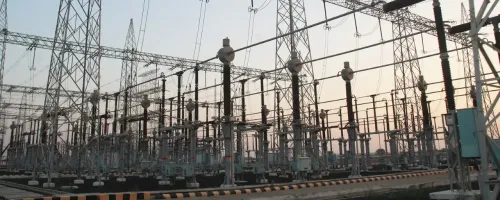
The World Bank has made a case for regional electricity integration, noting that greater exchange could lower costs and improve the resilience of power systems across the region. However, the analysis cautions that transmission lines alone do not establish a functioning market. Governments must still agree on access conditions, transmission charges, payment arrangements, and dispute resolution procedures — the rules that determine whether a physical connection is commercially usable and politically dependable.
China's Near-Monopoly in Clean Energy Manufacturing
The same structural vulnerability appears in clean energy supply chains. According to the International Energy Agency's 2026 assessment, China held an estimated 95 per cent of global solar wafer manufacturing capacity in 2024. The analysis notes that opening factories elsewhere does limited good if they still rely on upstream capacity concentrated in China — a challenge that both India and its partners must address to achieve genuine supply-chain diversification.
India-Australia Critical Minerals Partnership
In 2023, the Australia-India Critical Minerals Investment Partnership identified two lithium and three cobalt projects for due diligence, with the stated aim of supplying minerals processed in Australia to Indian manufacturing. The analysis frames these battery minerals as a parallel opportunity to diversify upstream supply chains, distinct from but complementary to the solar-wafer concentration problem.
Critically, the analysis argues that a mine, a refinery, and a factory constitute a supply chain only when their products, standards, and purchasing agreements are aligned. Linking critical mineral projects to battery-grade refining and long-term purchasing agreements with Indian manufacturers could, according to the assessment, create commercially viable alternatives to Chinese-dominated supply chains.
What Australia and India Could Do Together
Australia's Critical Minerals Strategy already identifies the India-Australia partnership as a basis for cooperation. The analysis recommends that the two countries jointly fund feasibility studies and regulatory assistance for South Asian electricity interconnections, working alongside neighbouring governments and multilateral lenders to resolve the risks that typically discourage investment before construction begins.
On critical minerals, the recommendation is to connect processing projects with manufacturers prepared to enter long-term purchasing agreements, and to ensure technical cooperation addresses product quality and qualification standards — so that alternative suppliers can actually reach end customers, rather than existing only on paper.
The Broader Implication for Regional Geopolitics
The analysis positions India's connectivity model as structurally different from — and potentially more durable than — debt-financed infrastructure diplomacy. By enabling smaller South Asian nations to diversify their energy and supply-chain dependencies, New Delhi could expand its regional influence without the fiscal exposure that large project commitments entail. How quickly the supporting frameworks — regulatory, financial, and commercial — can be built out will determine whether this remains a strategic concept or becomes an operational reality.
Point of View
And the distinction matters. China's infrastructure model creates bilateral dependencies; India's relay model, if scaled, creates a web of interdependencies that no single power can easily dominate. The limiting factor is not vision but execution — regional electricity markets require harmonised regulations, credible payment mechanisms, and dispute resolution frameworks that South Asia has historically struggled to sustain. The critical minerals angle adds another layer: a mine-to-factory supply chain that runs through Australia, India, and South Asia is analytically compelling, but it requires the kind of aligned commercial agreements and quality standards that multilateral partnerships rarely deliver quickly. The real test of India's connectivity model is whether it can move from transit arrangements to institutionalised markets — and whether Canberra and New Delhi can translate partnership documents into projects with actual buyers, financing, and delivery dates.
NationPress
3 Nov 2026
Frequently Asked Questions
How is India providing more options to smaller South Asian countries in the power sector?
India is allowing its power grid to be used as a transit corridor, enabling Nepal to export electricity to Bangladesh — a trilateral arrangement that gives both countries an alternative trading route and reduces dependence on any single energy partner. According to an analysis by the Australian Institute of International Affairs, this connectivity model increases smaller nations' bargaining power in their diplomatic relations.
Why is India's approach considered different from China's in the region?
Rather than matching China project-for-project through large debt-financed investments, India's model focuses on connecting markets, infrastructure, and partners in ways that reduce dependence on a single supplier or financier. The analysis argues India's influence grows precisely because other countries gain choices, rather than obligations.
What does the IEA say about China's dominance in solar manufacturing?
The International Energy Agency's 2026 assessment estimates that China held 95 per cent of global solar wafer manufacturing capacity in 2024. The analysis warns that opening factories elsewhere offers limited diversification if they still depend on upstream inputs concentrated in China.
What is the Australia-India Critical Minerals Investment Partnership?
Established in 2023, the Australia-India Critical Minerals Investment Partnership identified two lithium and three cobalt projects for due diligence, with the aim of supplying minerals processed in Australia to Indian manufacturing. The analysis suggests linking such projects to long-term purchasing agreements could create viable alternatives to Chinese-dominated battery supply chains.
What steps are recommended for Australia and India going forward?
The analysis recommends jointly funding feasibility studies and providing regulatory assistance for South Asian electricity interconnections, working with neighbouring governments and multilateral lenders. On critical minerals, it calls for connecting processing projects with manufacturers prepared to sign long-term purchasing agreements, and technical cooperation to meet product quality standards so alternative suppliers can access end customers.