HP CM Addresses Kisan Samvad, Pushes Natural Farming
Synopsis
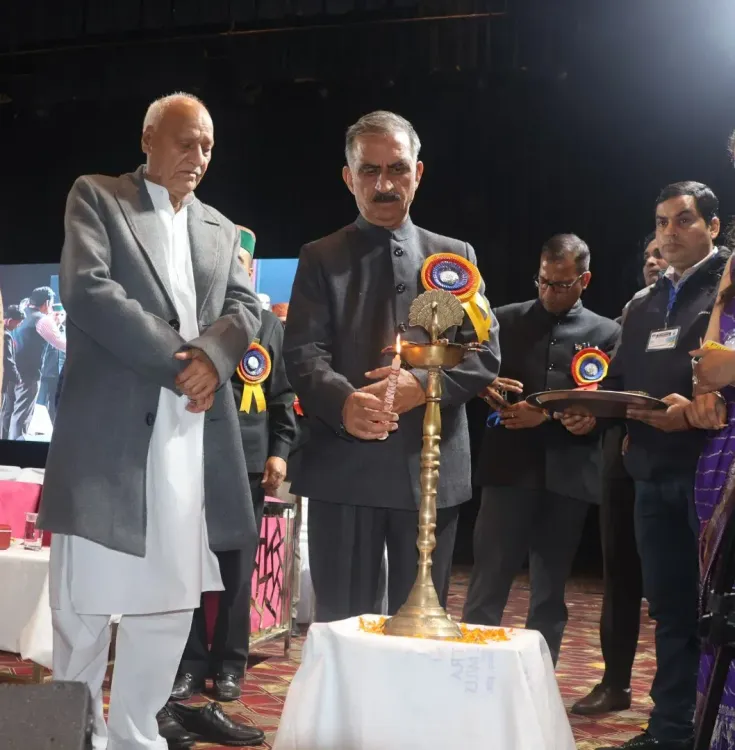
Himachal Pradesh's Chief Minister addressed the Mukhyamantri Kisan Samvad programme on 18 November 2026, spotlighting natural farming as the state's primary strategy to deliver fair returns to generations of hill farmers long squeezed by high input costs and thin margins.
Key Takeaways
The Chief Minister's Office of Himachal Pradesh announced the CM addressed the Mukhyamantri Kisan Samvad Karyakram on 18 November 2026 .
The CM acknowledged that farmers have worked for generations without receiving fair returns for their labour.
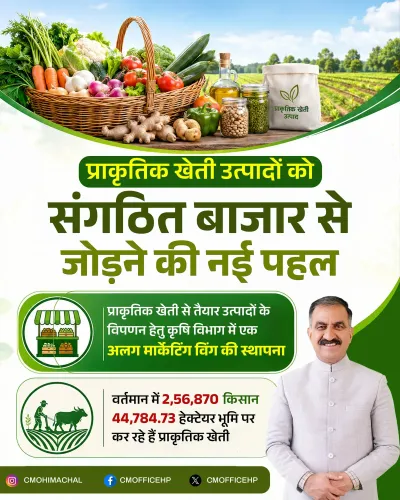
Natural farming has been identified as the state's core mechanism to increase farmer incomes and reduce input costs.
Himachal Pradesh's hill terrain makes chemical-intensive farming especially costly, strengthening the policy case for natural alternatives.
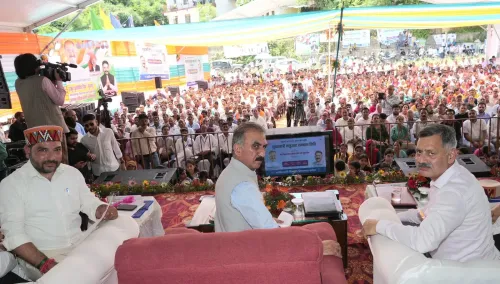
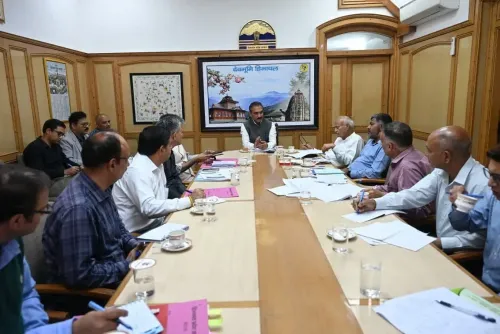
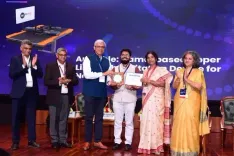
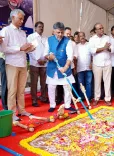
The event was documented with 10 photographs , suggesting a large-scale public outreach gathering.
Analysts will watch for state budget allocations and measurable income-tracking mechanisms to judge implementation depth.
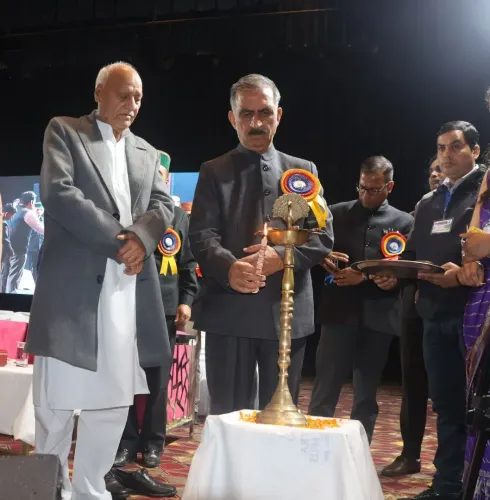
Generations of hill farmers in Himachal Pradesh have worked the land with patience and skill — yet fair returns have remained elusive. On Wednesday, 18 November 2026, the Chief Minister's Office of Himachal Pradesh announced that the Chief Minister addressed the Mukhyamantri Kisan Samvad Karyakram (Chief Minister Farmer Dialogue Programme), a direct outreach initiative aimed at closing that gap by accelerating the state's push toward natural farming.
The post, shared from the official CMO account, stated: 'Today I addressed the Chief Minister Kisan Samvad programme. Our farmers have been farming with hard work and dedication for generations, but they are not getting fair returns for their labour. With the objective of increasing farmers' incomes, we have promoted natural farming.'Why Natural Farming in HP's Hill Terrain
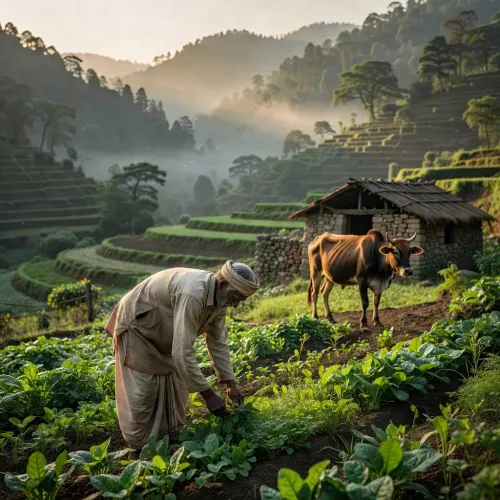
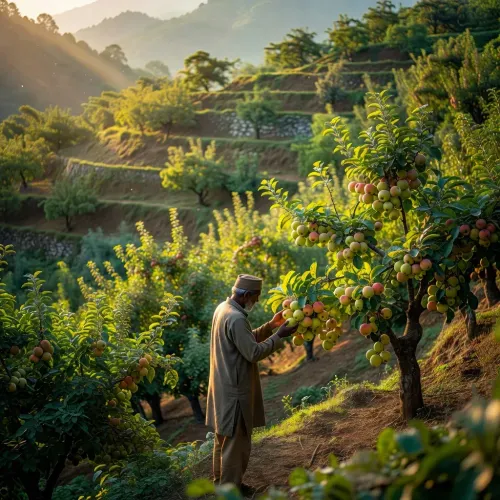
Himachal Pradesh's steep, terraced landscape has always made chemical-intensive agriculture an expensive gamble. Input costs — fertilisers, pesticides, transport up narrow mountain roads — eat into margins that were already thin for smallholder families. Soil fertility on hill slopes degrades faster under heavy chemical use, creating a treadmill of rising costs and stagnant yields.
It is precisely this structural trap that has pushed successive state administrations in Himachal toward low-input and organic alternatives. Natural farming — which relies on locally available inputs, reduces purchased chemical dependency, and preserves long-term soil health — offers hill farmers a way to cut costs while positioning produce for premium markets increasingly hungry for chemical-free food.
The Kisan Samvad Format: Direct Dialogue as Policy Tool
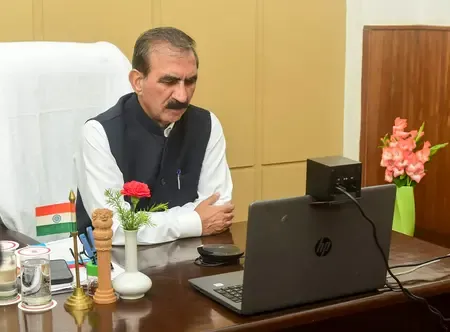
Chief Minister Sukhvinder Singh Sukhu, who has led the state since December 2022, has made farmer welfare a central pillar of his administration. The Kisan Samvad format is a deliberate choice: rather than issuing policy circulars, it puts the Chief Minister in direct conversation with cultivators, allowing grievances to surface and commitments to be made publicly. With 10 photographs shared alongside the post, the event appears to have drawn a substantial gathering of farmers from across the state.
The outreach model is not unique to Himachal — Indian states with large smallholder populations have regularly used dialogue events to build trust around policy shifts that ask farmers to change ingrained practices. The challenge is always conversion: from a well-attended meeting to measurable change in cultivation method and, ultimately, in household income.
What Farmers — and Budget Watchers — Will Want to See Next
The stated goal — increasing farmer incomes — is straightforward. The path is not. Natural farming transitions take multiple growing seasons, require training infrastructure, and need reliable market linkages to deliver premium prices that justify the shift. The real test of Wednesday's dialogue will show up in the state's agricultural budget allocations, the coverage targets set for natural farming adoption, and whether income-measurement mechanisms are put in place to track outcomes beyond the anecdotal.
Hill agriculture in India does not lack well-meaning promises. It lacks sustained, funded follow-through. That is the bar Himachal Pradesh now has to clear.
Point of View
Governments pivot to natural or organic models as both a cost-reduction and differentiation strategy. For CM Sukhu, the political logic is clear — farmer welfare messaging ahead of any electoral cycle carries significant weight in a state where rural households remain the dominant vote bloc. The harder question is whether this dialogue translates into the kind of sustained budget commitment and market infrastructure that would actually shift incomes. Himachal's natural farming push has precedent and genuine ecological rationale; the accountability gap between announcement and outcome is where the policy will be judged.
NationPress
18 Nov 2026
Frequently Asked Questions
What is the Mukhyamantri Kisan Samvad Karyakram in Himachal Pradesh?
It is a direct farmer-dialogue programme organised by the Himachal Pradesh government in which the Chief Minister addresses cultivators to discuss agricultural challenges, announce policy measures, and collect grassroots feedback on farming conditions.
Why is Himachal Pradesh promoting natural farming?
Himachal Pradesh's hilly terrain makes chemical-intensive agriculture expensive and damaging to soil over time. Natural farming lowers input costs, preserves long-term soil health, and can earn premium prices in markets seeking chemical-free produce — all critical advantages for smallholder hill farmers.
Who is the Chief Minister of Himachal Pradesh?
Sukhvinder Singh Sukhu has served as Chief Minister of Himachal Pradesh since December 2022, with agricultural and rural welfare as stated priorities of his administration.
How does natural farming help increase farmer incomes in Himachal Pradesh?
By eliminating or sharply reducing purchased chemical inputs, natural farming cuts cultivation costs directly. Produce grown without synthetic inputs can also command higher prices in organic and health-conscious markets, potentially improving net returns for farmers.
What should be monitored to assess the success of HP's natural farming drive?
Key indicators include state budget allocations for natural farming programmes, the number of farmers enrolled in training and transition support, the development of market linkages for chemical-free produce, and independently measured changes in average farmer household incomes over successive agricultural seasons.