HP CM Announces CBSE Affiliation for Mehla Village School
Synopsis
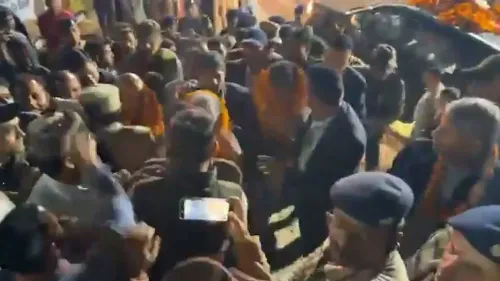
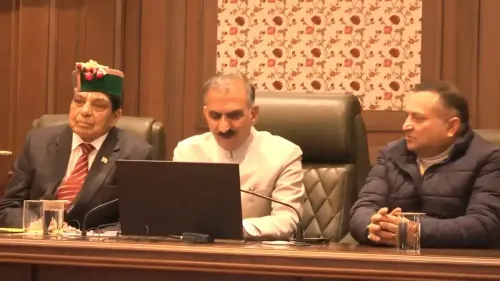
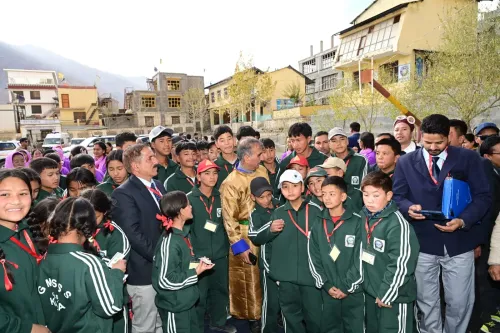
The Chief Minister of Himachal Pradesh announced CBSE affiliation for Mehla village school during a night visit under the Sarkar Gaon Ke Dwar outreach programme on 5 November 2026, responding to a demand from local Pradhan Lalit Ji.
Key Takeaways
Mehla village school in Himachal Pradesh will be affiliated with CBSE , announced on 5 November 2026 .
The announcement was made under the Sarkar Gaon Ke Dwar programme, which sends government officials directly to villages.
Classes under the CBSE framework are set to begin from the next academic session .
The demand was raised by local Pradhan Lalit Ji and the Up-Pradhan of Mehla village.
CBSE affiliation gives rural students access to a nationally recognised curriculum and competitive examination pathways.
Follow-through — teacher deployment, infrastructure compliance, and board registration — will determine whether the promise is fulfilled on schedule.
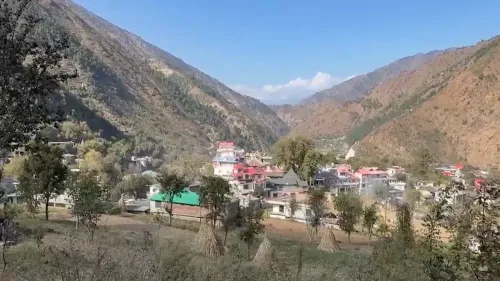
Under the night sky of a Himachal Pradesh village, the state government brought its executive power directly to the doorstep — and left with a school transformed. The Chief Minister's Office of Himachal Pradesh announced on 5 November 2026 that Mehla village school will be affiliated with the Central Board of Secondary Education (CBSE), with classes set to begin from the next academic session.
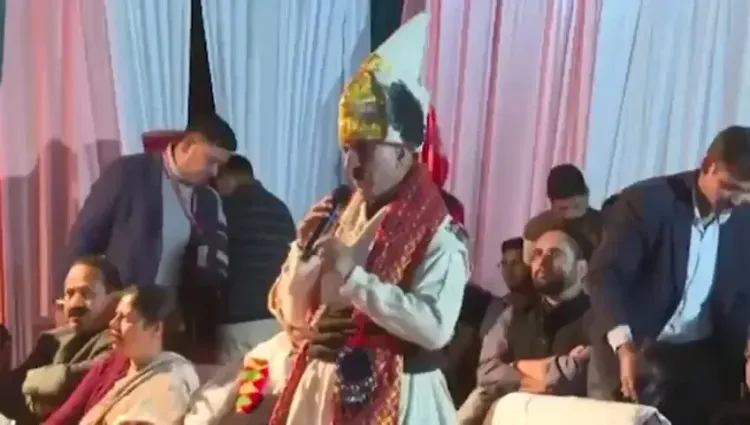
The announcement was made during a visit under the state's flagship outreach initiative, Sarkar Gaon Ke Dwar ('the government at the village gate'), a programme through which officials travel directly to rural communities to hear and act on local grievances in real time. The Chief Minister stated: 'I have come to your midst tonight to understand the problems of Mehla village. On the demand of Lalit Ji, the local Pradhan and Up-Pradhan, I announce the affiliation of Mehla School with CBSE. Classes will begin here from the next academic session.'
What CBSE Affiliation Means for Mehla's Students
CBSE is India's national school education board, whose curriculum and examinations are recognised across every state and by competitive entrance bodies — from engineering to medicine. For a rural village school, formal CBSE affiliation is a structural leap: it opens access to a nationally standardised syllabus, upgrades the school's eligibility for central academic resources, and signals to families that the institution's certificates carry weight far beyond the district.
Himachal Pradesh has periodically upgraded government schools to CBSE affiliation as part of its broader effort to raise educational quality in hill districts where private school access is limited. Each such upgrade typically triggers parallel requirements — qualified teachers, infrastructure alignment, and administrative registration with the board — making the follow-through on this announcement the real story to watch.
Sarkar Gaon Ke Dwar and the Politics of Village Governance
Sarkar Gaon Ke Dwar is built on a simple premise: rural residents should not have to travel to district headquarters or the capital to solve problems that a government official could resolve on the spot. The programme positions the state administration as mobile and accessible, with officials literally arriving at villages after dark to hold open-door sessions.
Across Indian states, CM-led village outreach programmes have become a defining feature of competitive populist governance — a format that collapses the distance between promise and delivery into a single, highly visible moment. The demand from Pradhan Lalit Ji and the Up-Pradhan, acted upon publicly the same evening, is precisely the kind of hyper-local resolution these programmes are designed to stage — and, when followed through, to deliver.
What Mehla village now waits for is not the announcement, but the admission forms.
Point of View
Low-cost commitment that converts a local grievance into a governance headline within hours. CBSE affiliation is a meaningful upgrade, but its credibility now rests entirely on execution — qualified teachers, infrastructure compliance, and actual board registration before the next session. Himachal Pradesh's pattern of periodic rural school upgrades gives this promise precedent, but the state's hill-district resource constraints mean follow-through is never automatic. If Mehla's classes begin on time, the Sarkar Gaon Ke Dwar model earns a durable proof of concept; if they stall, the gap between announcement and delivery becomes the dominant story.
NationPress
5 Nov 2026
Frequently Asked Questions
What is CBSE affiliation and why does it matter for a village school?
CBSE affiliation means the school adopts the curriculum and examination system of India's national board, whose certificates are recognised across all states and by major entrance exams. For a rural village school, it dramatically expands students' opportunities for higher education and competitive exams.
What is the Sarkar Gaon Ke Dwar programme in Himachal Pradesh?
Sarkar Gaon Ke Dwar is a Himachal Pradesh government initiative where officials, including the Chief Minister, travel directly to villages to hear local problems and announce solutions on the spot, reducing the need for rural residents to approach distant government offices.
When will CBSE classes start at Mehla village school?
The Chief Minister announced that classes will begin from the next academic session, following the affiliation announcement made on 5 November 2026.
Who demanded CBSE affiliation for Mehla school?
The demand was made by Lalit Ji, the local Pradhan of Mehla village, along with the Up-Pradhan, during the Chief Minister's visit under the Sarkar Gaon Ke Dwar programme.
Has Himachal Pradesh upgraded other government schools to CBSE before?
Yes, Himachal Pradesh has periodically upgraded government schools to CBSE affiliation as part of its ongoing effort to improve educational standards in rural and hill-district areas.