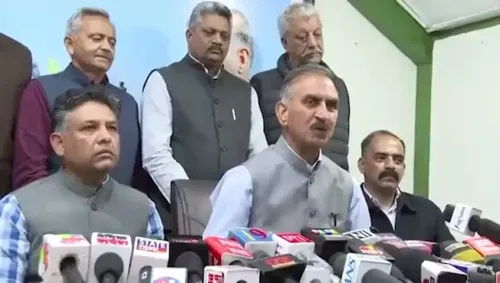
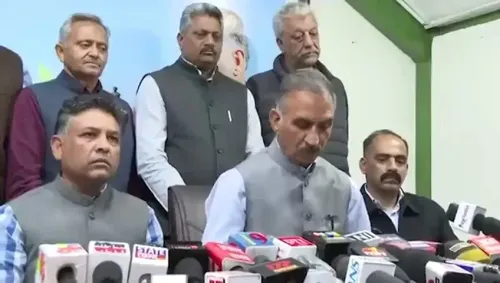
HP CM Claims Historic Win in BBMB Dispute, Calls for Unity
Synopsis
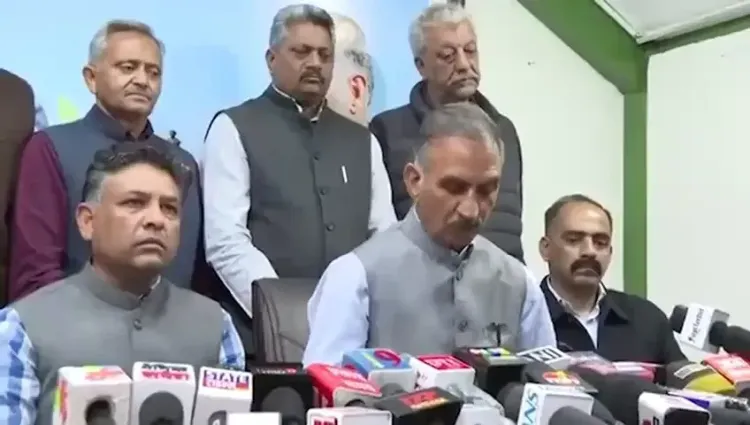
The Chief Minister's Office of Himachal Pradesh declared a 'historic victory' in the BBMB dispute on 7 November 2026, calling on political opponents to unite behind the state's rights campaign rather than oppose every government move.
Key Takeaways
Himachal Pradesh has claimed a 'historic victory' in its long-running dispute with the Bhakra Beas Management Board (BBMB) .
The BBMB was set up under the Punjab Reorganisation Act 1966 , giving Himachal only one of eight board seats despite hosting the major dams and reservoirs.
Chief Minister Sukhvinder Singh Sukhu has championed greater Himachal representation in BBMB since taking office in 2022 .
The CM's office directly called on political opponents to support the state's rights campaign rather than reflexively opposing the government.
The exact nature of the ruling or order constituting the 'victory' has not been officially detailed in the post.
Implementation and reactions from Punjab and Haryana will determine whether the win translates into durable change.
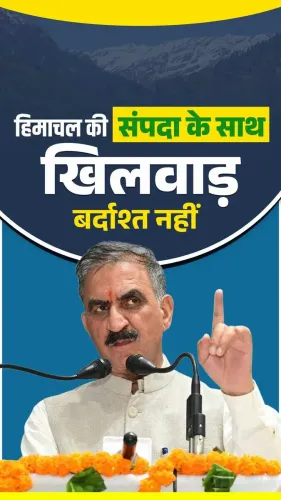
A decades-old fight over river-board representation just recorded what Himachal Pradesh is calling its biggest breakthrough yet. The Chief Minister's Office of Himachal Pradesh posted on X on Saturday, 7 November 2026, announcing a 'historic victory' in the long-running Bhakra Beas Management Board (BBMB) dispute — and used the moment to call out political opponents who, the post argues, oppose the state government even when the cause is the state's own rightful interest.
The post, written in Hindi, states: 'BBMB maamle mein Himachal Pradesh ne aitihasik jeet haasil ki hai' — 'Himachal Pradesh has achieved a historic victory in the BBMB matter.' It then pivots sharply, addressing critics: 'Some people oppose every issue. I only want to tell them — dissent is a fine tradition in democracy, but when it is a question of the state's rightful dues and we are fighting for them, one should join this campaign too.'
What the BBMB Battle Has Always Been About
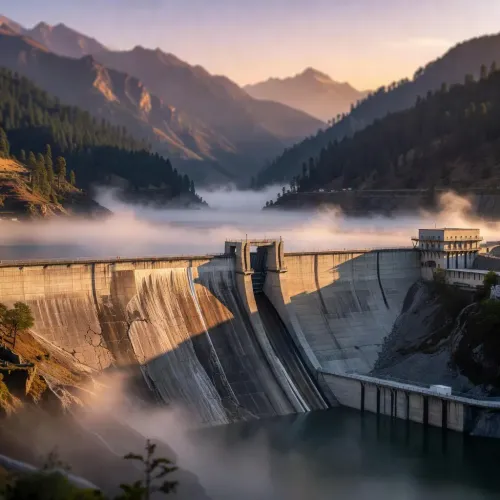
The Bhakra Beas Management Board was constituted under the Punjab Reorganisation Act of 1966 to oversee the Sutlej-Beas river projects — a network of dams and reservoirs that physically sit on Himachal soil. The structural problem is baked into the original legislation: Himachal was allocated just one representative among eight board members, even though it is the upstream state that hosts the infrastructure and bears the ecological burden of the projects.
For nearly six decades, Himachal governments of every political stripe have raised this imbalance. The argument is straightforward — the state that provides the land, the rivers, and the catchment area deserves a proportionate voice in how those resources are managed and monetised. Chief Minister Sukhvinder Singh Sukhu, in office since 2022, has made BBMB representation a signature campaign, pushing the case through political and administrative channels with unusual persistence.
The Politics Behind the 'Join Us' Appeal
The second half of the post is as telling as the first. By directly addressing those who 'oppose every issue,' the CM's office is signalling that the BBMB win is being contested — or at least not celebrated — by opposition voices within the state. The appeal to set aside routine partisanship when 'the state's rights' are at stake is a well-worn but effective rhetorical frame: it positions critics as choosing party over province.
Inter-state river-board disputes in India rarely end with a single ruling. The pattern, repeated across river-sharing arrangements from the Cauvery to the Ravi-Beas, is one of overlapping legal orders, political negotiations, and implementation standoffs. Punjab and Haryana — the other major stakeholders in BBMB — will inevitably shape what any 'victory' for Himachal actually delivers on the ground. The real test will be in the follow-up orders and whether board composition or revenue-sharing formulas are durably changed.
For now, the CM's office has planted a flag. Whether Shimla's gain translates into enforceable change — or becomes another chapter in a very long dispute — is the question that will define this moment's true weight.
Point of View
And a durable win here could embolden similar claims elsewhere. The real political test, however, comes not from the announcement but from what Punjab and Haryana concede in implementation.
NationPress
7 Nov 2026
Frequently Asked Questions
What is the BBMB and why does it matter to Himachal Pradesh?
The Bhakra Beas Management Board (BBMB) was created under the Punjab Reorganisation Act of 1966 to manage Sutlej-Beas river projects. Himachal Pradesh hosts the major dams and reservoirs but has historically held only one of eight board seats, limiting its say over water and hydropower assets on its own territory.
What is Himachal Pradesh's historic victory in the BBMB case?
The Chief Minister's Office of Himachal Pradesh announced on 7 November 2026 that the state achieved a 'historic victory' in the BBMB dispute. The exact nature of the ruling or order has not been officially detailed in the post.
Who is leading Himachal Pradesh's BBMB campaign?
Chief Minister Sukhvinder Singh Sukhu, in office since 2022, has been the primary advocate for greater Himachal representation and rights within the BBMB governance structure.
Which states are stakeholders in the BBMB dispute?
The main stakeholders are Himachal Pradesh (upstream, hosting the dams), Punjab, Haryana, and Rajasthan, all of which benefit from the Sutlej-Beas river projects managed by the BBMB.
Why did the Himachal CM address political opponents in the BBMB post?
The CM's office noted that some groups oppose the government on every issue and argued that when the fight is for the state's rightful dues, political opponents should set aside partisanship and support the campaign.