HP CM raises state's fiscal stress at NITI Aayog meet
Synopsis
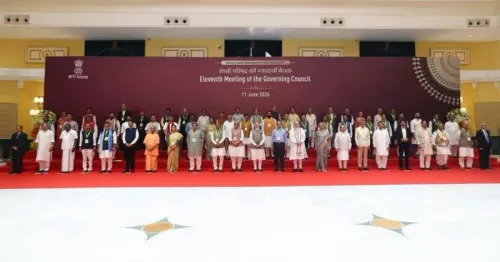
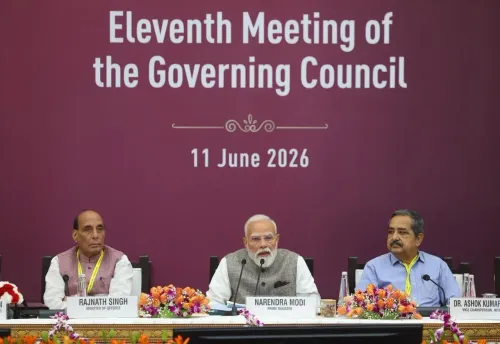
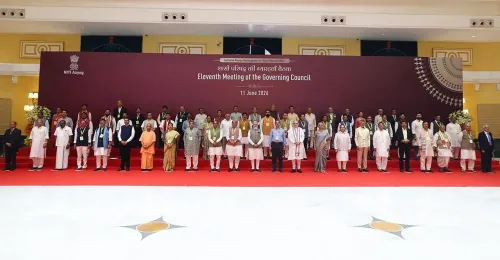
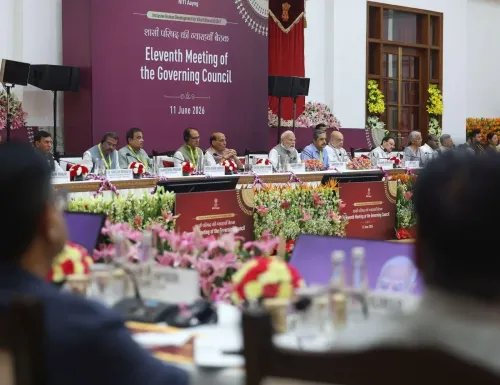
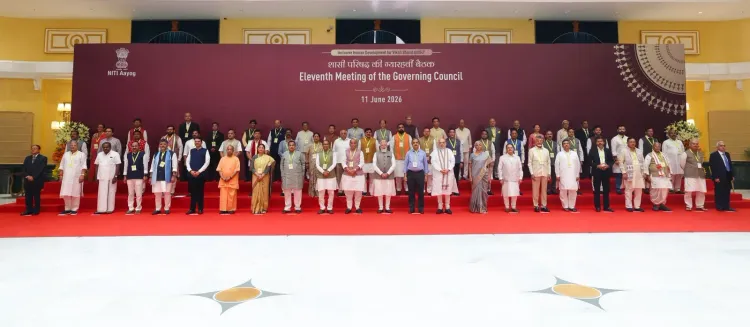
Himachal Pradesh's Chief Minister participated in the 11th NITI Aayog Governing Council meeting in New Delhi, chaired by PM Narendra Modi, and formally raised the state's financial situation and special challenges before the national policy body on June 12, 2026.
Key Takeaways
The Chief Minister of Himachal Pradesh attended the 11th NITI Aayog Governing Council meeting in New Delhi on June 12, 2026 .
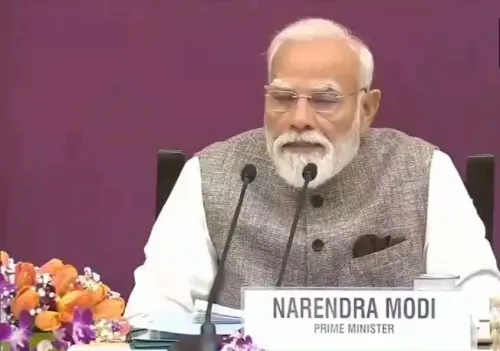
The meeting was chaired by Prime Minister Narendra Modi .
The Chief Minister formally placed Himachal Pradesh's financial situation and special challenges before the council.
NITI Aayog , established in January 2015 , uses the Governing Council as its primary forum for cooperative federalism between the Centre and states.
Hill states like Himachal Pradesh have consistently used this platform to seek differentiated fiscal treatment due to terrain, disaster vulnerability, and a limited revenue base.
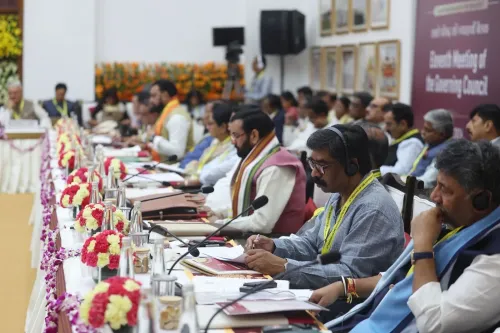
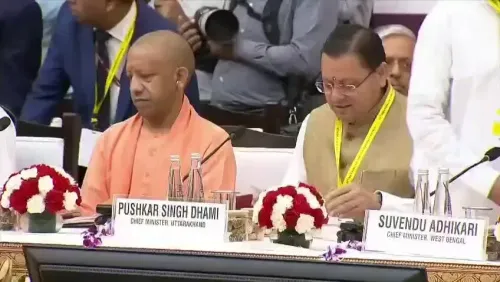
The Chief Minister's Office of Himachal Pradesh announced on Friday, June 12, 2026, that the Chief Minister participated in the 11th Governing Council meeting of NITI Aayog held in New Delhi, chaired by Prime Minister Narendra Modi, and placed the state's financial condition and special challenges before the council.
The post, shared in Hindi, stated: 'नई दिल्ली में प्रधानमंत्री श्री नरेंद्र मोदी जी की अध्यक्षता में आयोजित नीति आयोग की 11वीं गवर्निंग काउंसिल बैठक में सहभागिता की और हिमाचल प्रदेश की वित्तीय स्थिति एवं विशेष चुनौतियों को सामने रखा' — meaning, 'Participated in the 11th Governing Council meeting of NITI Aayog chaired by Prime Minister Narendra Modi in New Delhi and presented Himachal Pradesh's financial situation and special challenges.'
Context
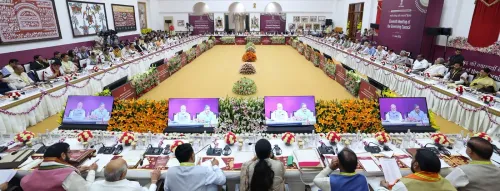
The NITI Aayog Governing Council is the apex deliberative body that brings together the Prime Minister, all Chief Ministers, Lieutenant Governors, and key Union Ministers under one roof to shape national development priorities. The 11th edition of this meeting marks a continuation of the forum that has met periodically since the body was established in January 2015 to replace the erstwhile Planning Commission. Himachal Pradesh's participation signals the state's intent to formally place its fiscal concerns on the national policy agenda.Policy Backdrop
Himachal Pradesh is a hill state with a narrow revenue base, high dependence on central transfers, and recurring expenditure pressures driven by difficult terrain and frequent natural disasters. Himalayan states have consistently used the Governing Council platform to seek differentiated treatment in debt sustainability norms and disaster relief frameworks. The state's decision to specifically flag its financial position and special challenges at this forum follows a pattern seen among fiscally stressed hill and northeastern states that argue standard fiscal consolidation benchmarks do not adequately account for their structural disadvantages. The NITI Aayog, constituted to institutionalise cooperative federalism, positions the Governing Council as the primary channel through which states can formally communicate region-specific constraints directly to the Prime Minister and the Union government.Stakeholders and Impact
For Himachal Pradesh, the stakes at such meetings are significant. The state's ability to secure central support — whether through special assistance packages, relaxed borrowing limits, or enhanced disaster relief allocations — depends in part on how effectively its case is articulated at high-level forums like the Governing Council. Residents across the state's mountainous districts, who bear the brunt of infrastructure deficits and climate-linked disruptions, stand to benefit if the Centre responds with targeted fiscal measures. Other hill states watching the proceedings may also align their demands around similar arguments of structural fiscal disadvantage.What's Next
The immediate focus will be on any follow-up communication from the Union government or the NITI Aayog secretariat regarding the concerns raised by Himachal Pradesh. Analysts will watch the Union Budget and subsequent central allocations for signs that hill states' fiscal representations have influenced policy decisions. If the Governing Council deliberations result in a working group or committee to examine special category-style support for hill states, it could have lasting implications for how the Centre structures assistance to geographically and fiscally challenged states.Point of View
Ahead of the next Union Budget cycle, is unlikely to be coincidental. Whether the Centre responds with structural relief or absorbs the representation without action will be the real test of the forum's utility for smaller, fiscally stressed states.
NationPress
19 Sept 2026
Frequently Asked Questions
What is the NITI Aayog Governing Council meeting?
The NITI Aayog Governing Council is the apex body chaired by the Prime Minister that brings together all Chief Ministers and key Union Ministers to deliberate on national development priorities. It was established when NITI Aayog replaced the Planning Commission in January 2015.
Why did Himachal Pradesh raise its financial situation at the NITI Aayog meeting?
Himachal Pradesh raised its financial situation to formally place the state's fiscal stress and special challenges — stemming from difficult terrain, natural disasters, and a limited revenue base — before the Prime Minister and the Union government at the national policy level.
Who chaired the 11th NITI Aayog Governing Council meeting?
Prime Minister Narendra Modi chaired the 11th Governing Council meeting of NITI Aayog, held in New Delhi on June 12, 2026.
What are the special challenges of Himachal Pradesh mentioned at the meeting?
The Chief Minister's Office referred broadly to Himachal Pradesh's financial situation and special challenges, which typically include high terrain-related infrastructure costs, vulnerability to natural disasters, and a narrow revenue base that limits the state's fiscal capacity.
What could follow from Himachal Pradesh's representation at the NITI Aayog Governing Council?
Follow-up actions could include central deliberations on special fiscal assistance, relaxed borrowing limits, or enhanced disaster relief allocations for hill states, with outcomes potentially reflected in subsequent Union Budget announcements.