HP CM Office: 8 Traditional Products Get GI Tags
Synopsis
Eight traditional Himachal Pradesh products — including Spiti's Sea Buckthorn, Kinnauri Topi and Chamba Metal Art — have received Geographical Indication registration, offering legal protection and market premium potential to artisans and farmers across the hill state.
Key Takeaways
Eight traditional Himachal Pradesh products received Geographical Indication (GI) registration as announced by the Chief Minister's Office on 1 July 2026 .
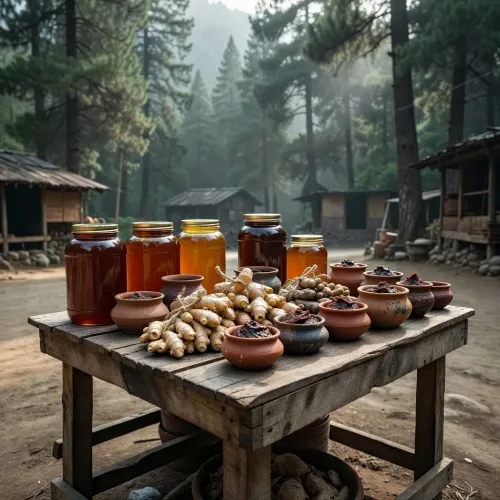
Named products include Spiti Sea Buckthorn (Chharmaa) , Salooni White Maize , Chamba Metal Art , Sirmouri Loia , Kinnauri Topi and Mandi Sepu Badi .
GI tags are granted under India's Geographical Indications of Goods (Registration and Protection) Act, 1999 , which complies with WTO TRIPS obligations.
Himachal Pradesh's GI portfolio dates to 2003 with Kangra Tea; this batch extends protection to a broader range of districts and product categories.
Primary beneficiaries are traditional artisans, hill farmers and rural producers across remote Himalayan districts.
The next step is enrolment of authorised users and launch of marketing or export promotion programmes for the newly tagged products.
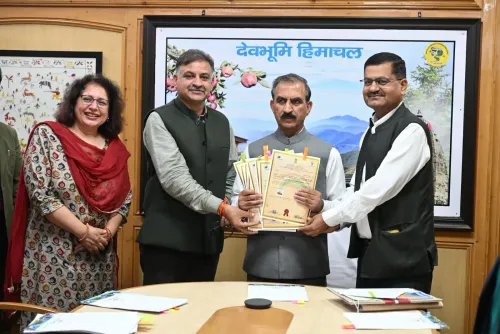
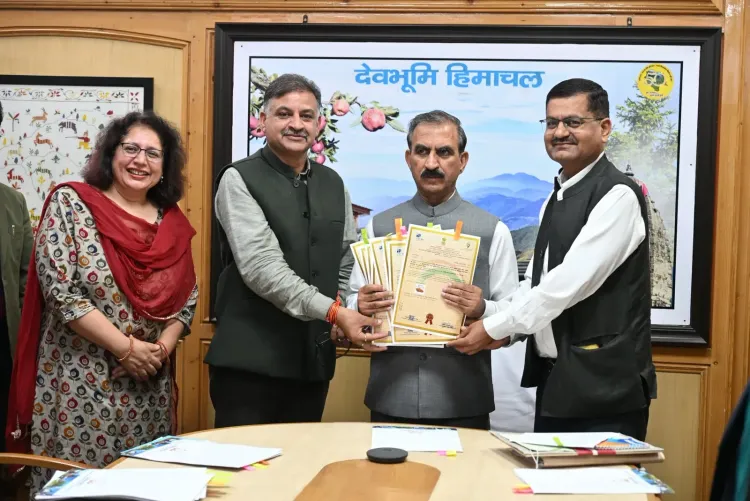
The Chief Minister's Office of Himachal Pradesh announced on Wednesday, 1 July 2026 that eight traditional products from the state — carrying social, economic, cultural and agricultural significance — have received Geographical Indication (GI) registration, marking a significant milestone for the hill state's artisans and farming communities.
What Got Tagged
The official announcement listed six of the eight products: Spiti's Sea Buckthorn (Chharmaa), Salooni White Maize, Chamba Metal Art, Sirmouri Loia, Kinnauri Topi, and Mandi's Sepu Badi. The post, written in Hindi, noted that these products hold saamaajik, aarthik, saanskritik aur krishi mahatv (social, economic, cultural and agricultural importance) for the state. The remaining two products in the batch of eight were referenced in the announcement but were not fully visible in the published text.
GI registration is granted under India's Geographical Indications of Goods (Registration and Protection) Act, 1999, administered by the Geographical Indications Registry under the Ministry of Commerce and Industry. The tag legally protects a product's name and origin, preventing imitation and enabling producers to command premium prices in domestic and international markets.
Context
Himachal Pradesh has a long history of pursuing GI protection for its distinctive products. Kangra Tea was among the state's earliest GI recipients in 2003, followed by Kullu Shawl in 2004 and Chamba Rumal in 2007. The current batch represents a continuation of that strategy, now extended to a wider range of agro-products and handicrafts from districts including Spiti, Chamba, Kinnaur, Sirmaur and Mandi.
Each product originates from a distinct ecological and cultural zone. Spiti Valley, a high-altitude cold desert, is known for its seabuckthorn cultivation — a hardy berry prized for nutritional and medicinal properties. Kinnaur district, a tribal belt in eastern Himachal, is closely associated with its distinctive woollen cap, the Kinnauri Topi, which carries deep cultural identity. Chamba in western Himachal has historically been a centre of metalcraft and embroidery traditions.
Policy Backdrop
India has recorded a steady rise in GI registrations since 2015, as states seek to monetise cultural heritage, prevent bio-piracy and curb imitation of distinctive regional products. Himalayan states have been particularly active, using GI tags for niche crops and crafts as a tool to improve rural incomes while preserving traditional knowledge systems.
The approach aligns with national efforts to link GI protection with branding, tourism promotion and value-chain development. For Himachal Pradesh, where a large share of the rural population depends on agriculture and cottage industries, GI certification can open export corridors and attract premium buyers who seek authenticated regional products.
Stakeholders and Impact
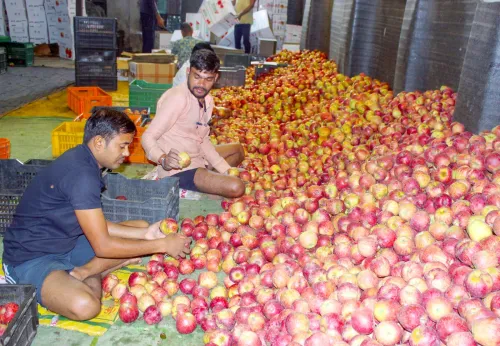
The primary beneficiaries are traditional artisans, hill farmers and rural producers spread across the state's remote districts. GI registration gives them legal backing to market their goods under a protected name, reducing the risk of cheaper imitations undercutting their livelihoods. For consumers and buyers, the tag serves as a quality and origin guarantee.
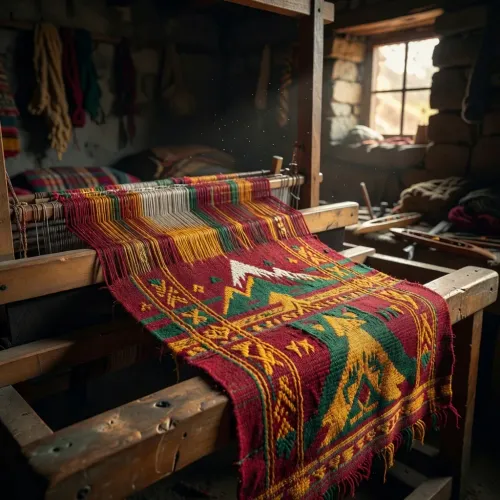
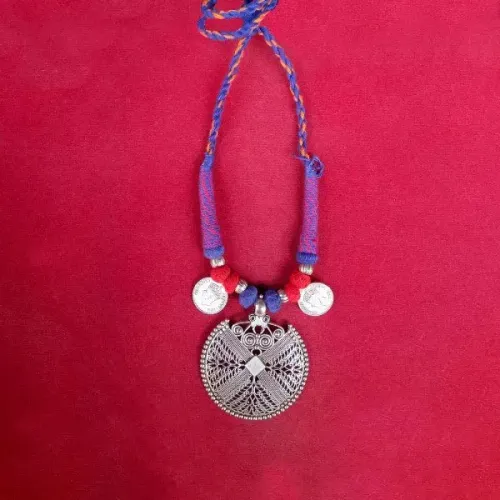
Products such as Salooni White Maize from Sirmaur district and Sepu Badi from Mandi represent locally adapted food varieties with potential for niche market positioning, including in the growing segment of heritage and slow-food commerce. The Sirmouri Loia — a traditional woollen blanket — and Chamba Metal Art speak to craft traditions that are at risk of being displaced by mass-produced alternatives.
What's Next
Following GI registration, the critical next step is the enrolment of authorised users — the individual producers, cooperatives or self-help groups legally permitted to use the GI tag on their products. State government notifications on this process, along with any marketing or export promotion programmes for the newly tagged products, will determine how effectively the certification translates into economic gains for producers on the ground.
With eight products added in a single announcement, Himachal Pradesh signals an accelerating ambition to build a portfolio of GI-certified goods that can compete on national and global platforms, reinforcing the state's identity as a repository of unique Himalayan heritage.
Point of View
Handicrafts and food items across multiple districts in one go, the state is signalling that GI strategy is now a mainstream rural-economy tool rather than an occasional cultural gesture. The move fits into a broader national pattern where Himalayan states compete to convert ecological and cultural distinctiveness into market advantage — particularly as premium and artisanal segments grow both domestically and in export markets. The real test, however, will be whether the state follows through with authorised-user frameworks and active marketing, without which GI tags risk remaining symbolic rather than economically transformative.
NationPress
1 Jul 2026
Frequently Asked Questions
What is a GI tag and why does it matter for Himachal Pradesh products?
A Geographical Indication (GI) tag is a legal certification under India's 1999 GI Act that links a product to its specific geographic origin and protects it from imitation. For Himachal Pradesh, it helps artisans and farmers command premium prices and prevents cheaper copies from being sold under the same name.
Which Himachal Pradesh products got GI tags in July 2026?
Six of the eight named products are Spiti Sea Buckthorn (Chharmaa), Salooni White Maize, Chamba Metal Art, Sirmouri Loia, Kinnauri Topi and Mandi Sepu Badi. The full list of all eight was referenced in the Chief Minister's Office announcement of 1 July 2026.
How many GI tags does Himachal Pradesh have in total?
Himachal Pradesh's GI portfolio began with Kangra Tea in 2003 and has grown progressively since. The July 2026 batch of eight products adds significantly to the state's registered GI count, though a precise cumulative total was not specified in the announcement.
What is Spiti Sea Buckthorn (Chharmaa) and why is it significant?
Sea Buckthorn, locally called Chharmaa, is a hardy berry grown in Spiti Valley's high-altitude cold desert. It is valued for its nutritional and medicinal properties and is an important livelihood crop for farmers in one of India's most remote regions.
What happens after a product receives a GI tag in India?
After GI registration, producers must register as 'authorised users' with the GI Registry to legally use the tag on their goods. State governments typically follow up with marketing, branding and export promotion programmes to translate the certification into actual economic benefits.