HP CM Office: HRTC Adding 297 Electric Buses to Cut Diesel Use
Synopsis
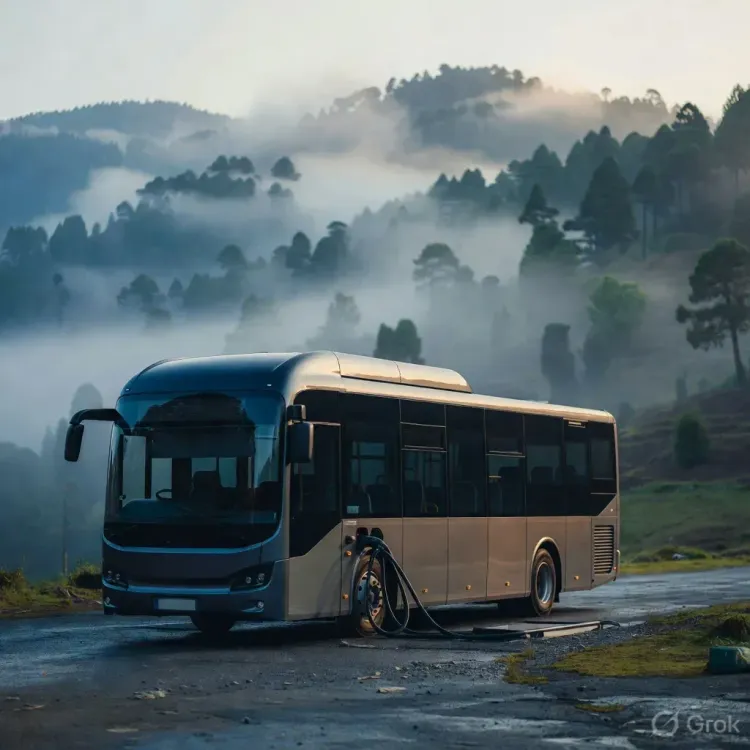
Himachal Pradesh's CM Office announced 297 electric buses have been added to HRTC's fleet in a phased diesel-to-electric transition, with a stated goal of electrifying 30 to 50 percent of the corporation's total fleet to reduce pollution and diesel consumption.
Key Takeaways
297 new electric buses have already been inducted into the HRTC fleet as of August 15, 2026 .
The state government's target is to make 30 to 50 percent of HRTC's entire fleet electric.
The twin stated goals are reducing air pollution and cutting diesel consumption across HRTC routes.
The transition is being carried out in a phased manner , aligning with India's national FAME scheme for electric vehicle adoption.
Himachal Pradesh's hill terrain makes electrification both more challenging and more environmentally significant than in plains states.
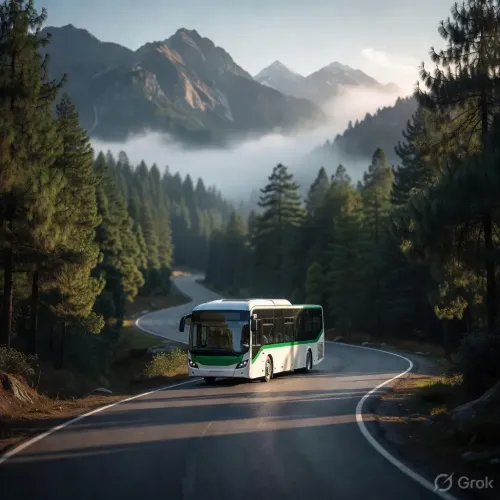
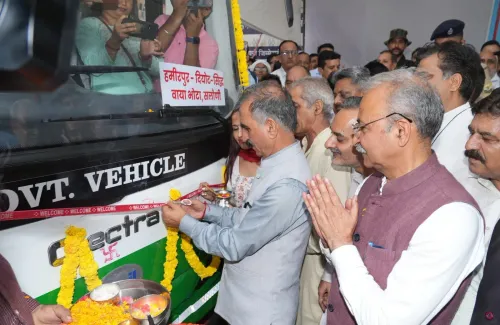
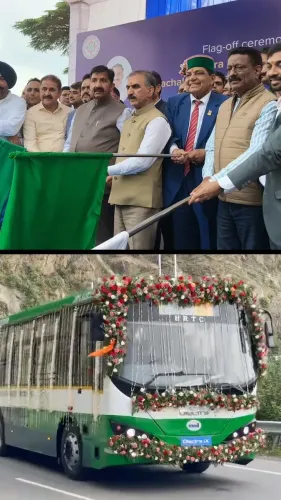
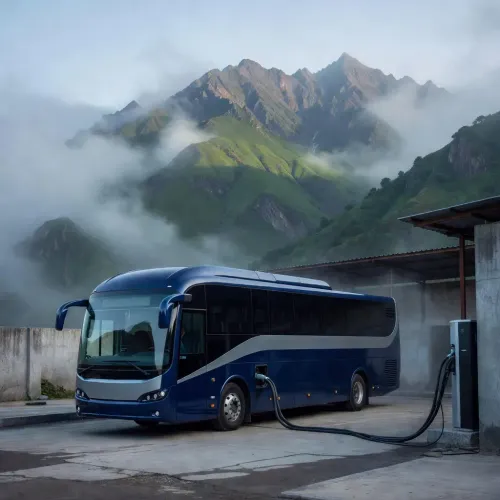
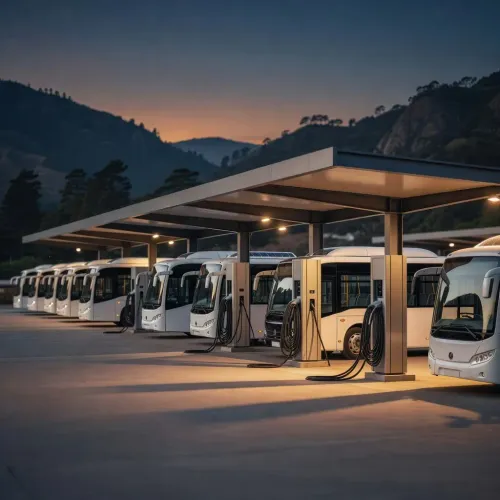
Himachal Pradesh is quietly rewriting the rules of mountain transport. The Chief Minister's Office of Himachal Pradesh announced on Saturday, August 15, 2026, that 297 new electric buses have already been inducted into the Himachal Road Transport Corporation (HRTC) fleet — part of a phased shift away from diesel that the state government says will ultimately electrify 30 to 50 percent of the entire fleet.
The post, shared from the official CM Office Himachal Pradesh handle, stated: 'HRTC ko charanabaddh tarike se diesel se electric buses ki or le jaya ja raha hai' — 'HRTC is being taken from diesel to electric buses in a phased manner.' The twin goals are explicit: fewer emissions and a measurable cut in diesel consumption across the corporation's routes.
What 297 Electric Buses Mean for HRTC's Mountain Routes
HRTC is the backbone of public mobility in Himachal Pradesh — a hill state where road connectivity is not a convenience but a lifeline for remote villages, students, and tourists navigating steep terrain. Diesel buses on mountain gradients consume fuel at rates far above the national average, making the operating cost case for electrification particularly sharp here. Each electric bus inducted reduces both the fuel import bill and the exhaust that settles into valley air. The 30-to-50 percent target is ambitious by any state standard. For context, several plains-based state transport undertakings have struggled to cross even the 10-percent electric mark. Himachal's commitment to that upper band — 50 percent — would place it among India's most electrified state bus fleets if achieved.FAME Scheme and the Central Push Behind State Electric Fleets
The national scaffolding for this shift is India's FAME (Faster Adoption and Manufacturing of Electric Vehicles) scheme, first launched in 2015 and expanded in subsequent phases to specifically support state-level electric bus procurement. Himachal Pradesh's phased induction fits squarely within that framework — states that move early and at scale tend to capture more central subsidy allocation in subsequent tender rounds. Several other Indian states have pursued similar diesel-to-electric transitions, but the hill-state context makes Himachal's version distinct: the charging infrastructure challenge on mountain roads is steeper, the payload and gradient demands on batteries are higher, and the environmental dividend — clean air in ecologically sensitive Himalayan valleys — is arguably greater.What Comes Next for the Fleet Target
The announcement stops short of naming a deadline for reaching the 30-to-50 percent threshold. Watchers of the programme will look for tender announcements for the next batch of buses, state budget allocations earmarked for HRTC electrification, and charging infrastructure rollout plans at depot level — the unglamorous back-end work that determines whether fleet targets translate into wheels on road. For daily commuters on Himachal's winding routes, the shift is already underway. The question now is how fast the remaining diesel fleet gives way.Point of View
And reducing that dependence directly improves HRTC's balance sheet. The 30-to-50 percent target also signals that the state intends to remain competitive for central FAME funding in future tranches, where scale of commitment increasingly drives allocation. The missing piece — a firm deadline and a charging infrastructure roadmap — will determine whether this announcement becomes a durable policy shift or a milestone that stalls at the halfway mark.
NationPress
15 Aug 2026
Frequently Asked Questions
How many electric buses does HRTC have now?
As of August 15, 2026 , 297 new electric buses have been inducted into the HRTC fleet, according to the Chief Minister's Office of Himachal Pradesh.
What is HRTC's electric bus fleet target?
The Himachal Pradesh government aims to make 30 to 50 percent of HRTC's total fleet electric, reducing both pollution and diesel consumption.
What is the FAME scheme and how does it help HRTC?
The FAME (Faster Adoption and Manufacturing of Electric Vehicles) scheme , launched by the central government in 2015 , provides financial support for state-level electric bus procurement, helping states like Himachal Pradesh fund fleet electrification.
Why is electric bus adoption important for Himachal Pradesh specifically?
Himachal Pradesh's mountainous terrain means diesel buses consume fuel at higher rates than in plains states. Switching to electric buses reduces operating costs, cuts exhaust emissions in ecologically sensitive Himalayan valleys, and lowers dependence on diesel imports.
When will HRTC complete its electric fleet transition?
The CM Office has not announced a specific deadline. The transition is described as phased, and future tender announcements and state budget allocations will indicate the pace of progress toward the 30-to-50 percent target.