HP CM Office: Medical Colleges Get Robotic Surgery, MRI

Synopsis
The Chief Minister's Office of Himachal Pradesh declared on 24 July 2026 that state-run medical colleges are being upgraded with robotic surgery and MRI technology, positioning health and education as the government's foremost priorities to build a stronger, more prosperous society.
Key Takeaways
The Chief Minister's Office of Himachal Pradesh announced on 24 July 2026 that government medical colleges are being equipped with robotic surgery and MRI facilities.
The government identified health and education as its two highest priorities for building a strong and prosperous society.
Key institutions such as Indira Gandhi Medical College, Shimla and Dr Rajendra Prasad Government Medical College, Kangra are among the state's principal public medical colleges undergoing modernisation.
The upgrade is expected to reduce patient referrals to hospitals in Delhi and Chandigarh , lowering costs and travel burden for families in remote areas.
The move aligns with the National Health Mission framework and mirrors similar technology upgrades in hill states like Uttarakhand and Jammu and Kashmir .
State budget allocations for equipment procurement and a phased rollout schedule across remaining colleges are awaited.
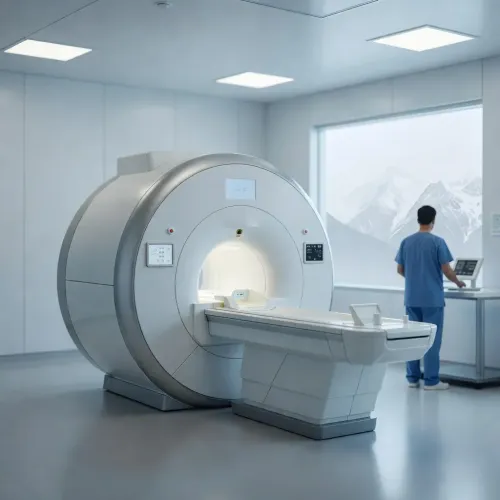
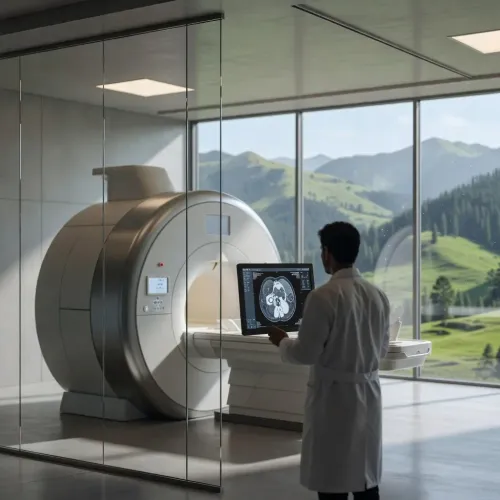
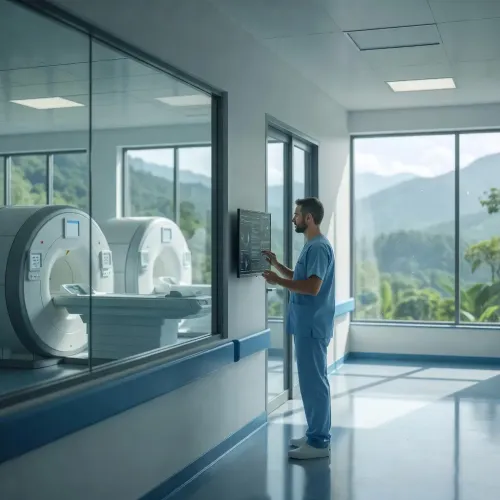
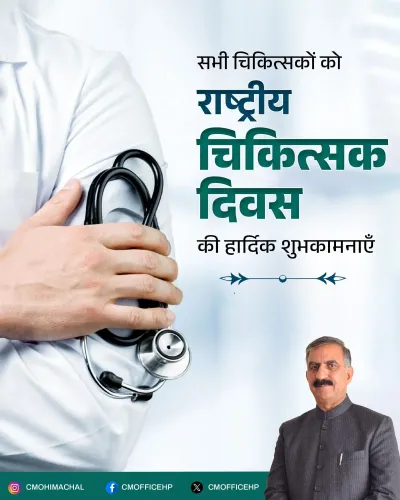
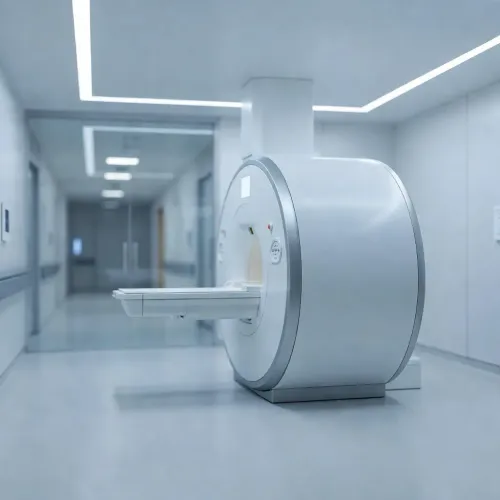
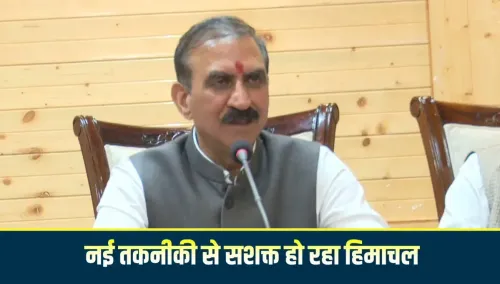
The Chief Minister's Office of Himachal Pradesh announced on Friday, 24 July 2026 that the state's government medical colleges are being equipped with advanced facilities including robotic surgery and MRI, framing health and education as the government's top priorities.
The post, shared in Hindi, stated: 'बेहतर स्वास्थ्य और गुणवत्तापूर्ण शिक्षा ही सशक्त एवं समृद्ध समाज की पहचान हैं' ('Better health and quality education are the hallmarks of a strong and prosperous society'). It added that both health and education are among the government's highest priorities, and that Himachal Pradesh's medical colleges are now being equipped with modern facilities such as robotic surgery and MRI.
Context
Himachal Pradesh is a northern hill state with a dispersed population spread across difficult terrain, making access to advanced medical care a longstanding challenge. Patients requiring complex surgical procedures or high-end diagnostics have historically been referred to hospitals in Delhi, Chandigarh, or other major cities, placing a financial and logistical burden on families.
The state's principal public institutions — including Indira Gandhi Medical College, Shimla and Dr Rajendra Prasad Government Medical College, Kangra — have served as the backbone of public healthcare in the region. Upgrading these institutions with robotic surgery suites and MRI infrastructure marks a significant step in the state's medical modernisation effort.
Policy Backdrop
Since 2013, Himachal Pradesh has participated in the National Health Mission (NHM), which channels central and state funds toward strengthening district-level diagnostic and surgical capacity. The current push for robotic surgery and advanced imaging in government medical colleges builds on that foundation.
This trajectory mirrors similar upgrades undertaken by neighbouring hill states such as Uttarakhand and Jammu and Kashmir, where state governments have invested in high-end medical technology to reduce dependence on metro referrals. Across India, the introduction of robotic surgical systems in public hospitals — once confined to large private chains — has accelerated as equipment costs have declined and trained personnel have become more available.
Stakeholders and Impact
The most direct beneficiaries are patients in Himachal Pradesh's remote districts who currently travel long distances for procedures that robotic surgery and MRI can address locally. Reduced referrals translate into lower out-of-pocket expenditure for families and faster treatment timelines.
Medical students and faculty at state-run colleges also stand to gain, as access to robotic platforms and advanced imaging equipment raises the quality of clinical training and research. Improved infrastructure is also expected to aid in attracting and retaining specialist doctors who might otherwise prefer postings in better-equipped urban hospitals.
What's Next
Attention will now turn to the state's budget allocations for equipment procurement and the phased rollout schedule across the remaining medical colleges. Details on which institutions receive robotic surgery systems first, and the timelines for operationalising these facilities, are expected to emerge through formal government announcements.
The broader implication is significant: if Himachal Pradesh successfully deploys robotic surgery at scale in public medical colleges, it could serve as a replicable model for other hill states seeking to deliver tertiary-level care without requiring patients to leave their home region.
Point of View
Trained manpower, and maintenance funding follow through at the pace the announcement implies.
NationPress
24 Jul 2026
Frequently Asked Questions
Which Himachal Pradesh medical colleges are getting robotic surgery?
The Chief Minister's Office announced on 24 July 2026 that Himachal Pradesh's government medical colleges are being equipped with robotic surgery and MRI facilities. Specific colleges named in official policy context include Indira Gandhi Medical College, Shimla and Dr Rajendra Prasad Government Medical College, Kangra, though the phased rollout details are yet to be formally announced.
What is robotic surgery and why does it matter for HP patients?
Robotic surgery uses computer-assisted mechanical arms to perform precise, minimally invasive procedures, resulting in shorter recovery times and fewer complications. For patients in Himachal Pradesh's remote areas, having this facility in state-run colleges means they may no longer need to travel to Delhi or Chandigarh for complex operations.
What is the National Health Mission and how does it relate to this upgrade?
The National Health Mission is a central government programme that funds states to strengthen healthcare infrastructure, including diagnostic and surgical capacity. Himachal Pradesh has participated in the mission since 2013, and the current robotic surgery and MRI upgrades build on the foundation laid under this scheme.
Has any other hill state introduced robotic surgery in government hospitals?
Yes, states such as Uttarakhand and Jammu and Kashmir have undertaken similar high-end medical technology upgrades in government institutions, reflecting a broader national trend of bringing advanced care into the public health system.
When will the new facilities be operational in Himachal Pradesh medical colleges?
Specific installation timelines have not been officially confirmed. The government's announcement on 24 July 2026 indicated that colleges 'are being equipped,' suggesting the process is underway, with formal rollout schedules expected in subsequent budget and policy announcements.