HP CM Office Orders Crackdown on Illegal Mining
Synopsis
The Chief Minister's Office of Himachal Pradesh on 29 July 2026 directed relevant departments to enforce scientific, environment-compatible mineral extraction, crack down on illegal mining, and ensure strict action against violators — a firm enforcement signal for the state's ecologically sensitive mining sector.
Key Takeaways
The Chief Minister's Office of Himachal Pradesh issued mining directives to concerned departments on 29 July 2026 .
Departments were instructed to ensure mineral exploitation is conducted in a scientific and environment-friendly manner .
The order demands effective curbs on illegal mining across the state.
Strict action must be taken against those found violating mining regulations.
The directives align with the National Mineral Policy 2019 and the MMDR Act framework for sustainable mineral development.
Himachal Pradesh's Himalayan terrain makes unchecked mining a regional ecological risk , not just a local governance issue.
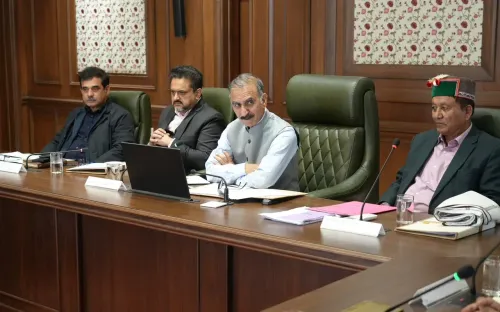
In the fragile Himalayan terrain of Himachal Pradesh, where rivers carry both water and sand to plains below, the state government has drawn a hard line. The Chief Minister's Office of Himachal Pradesh issued sharp directives to concerned departments on Wednesday, 29 July 2026, demanding scientific, environment-friendly mineral extraction and zero tolerance for illegal mining.
The directives, posted by the official CM Office account, set out three non-negotiable mandates: mineral exploitation across the state must be conducted in a 'scientific and environment-compatible manner'; illegal mining must be 'effectively curbed'; and those violating regulations must face 'strict action'. The language is unambiguous — this is an enforcement signal, not a policy aspiration.
Why Himachal's Mining Problem Is Different From the Plains
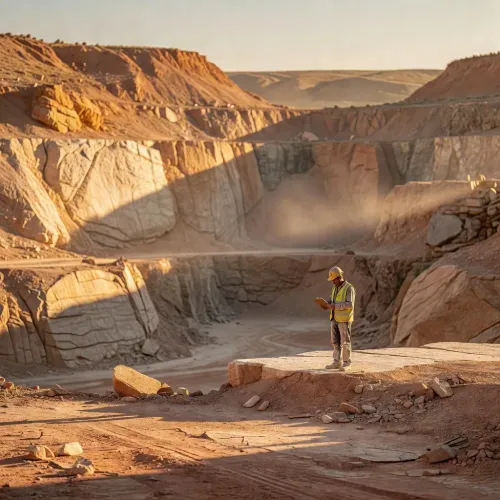
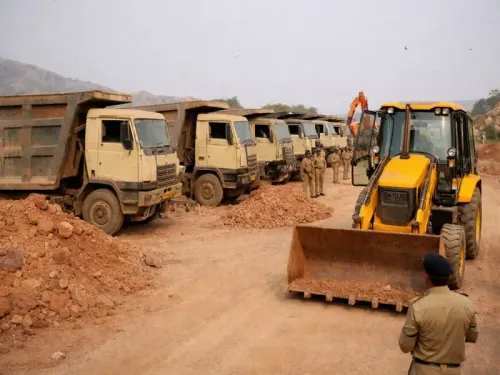
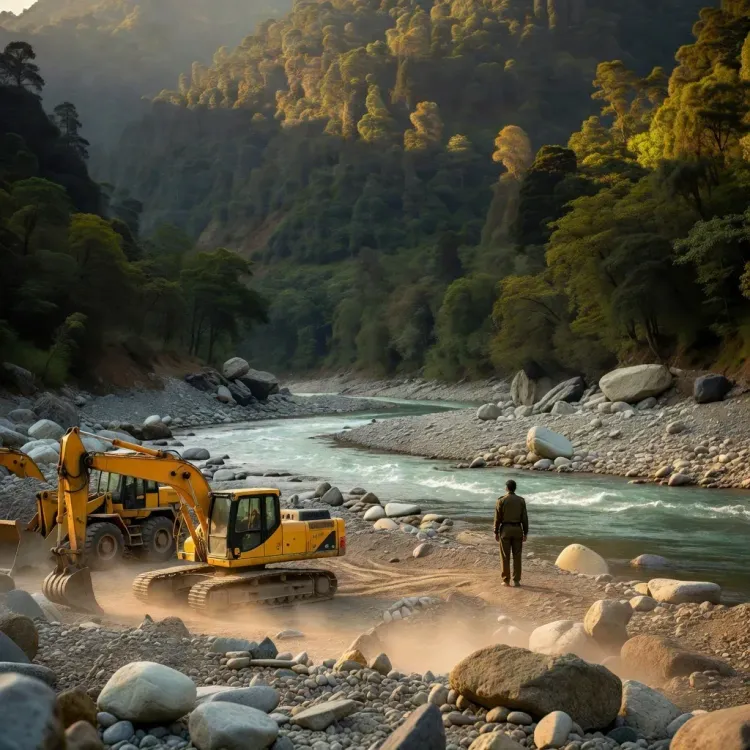
Himachal Pradesh sits on significant deposits of minerals including sand, gravel, limestone, and slate — but its terrain is among India's most ecologically sensitive. Unregulated extraction from riverbeds and hillsides accelerates erosion, destabilises slopes, and degrades water sources that feed river systems across northern India. The stakes are not local. They are regional.
Illegal mining in Himalayan states has long been associated with revenue leakage for state governments and documented environmental damage that legal frameworks struggle to contain. The Mines and Minerals (Development and Regulation) Act and the National Mineral Policy 2019 both mandate scientifically sustainable extraction — but implementation at the state level has been uneven across India.
Three Directives, One Clear Message
The CM Office's instructions to departments break down into a clear three-part framework. First, scientific and environment-friendly mining must be the operating standard — not the exception. Second, illegal mining must be actively suppressed, implying enhanced surveillance and field enforcement. Third, strict action against violators must be ensured, signalling that the administration expects follow-through, not just paperwork.
Together, the directives put the state's mining and geology department, revenue officials, and environment agencies on notice. The question now is whether enforcement matches the instruction.
What Comes Next for HP's Mining Sector
The immediate watch points are concrete: will the state's mining department launch fresh inspections or raids? Will penalty proceedings against identified violators be fast-tracked? And will the government move toward stricter lease conditions or digital monitoring of extraction sites — tools that several Indian states have piloted with varying success?
For communities living near active mining zones, the directive is the beginning of a test. For the administration, the credibility of the order depends entirely on what the departments do next week, not next year.
Point of View
The government creates a documented benchmark against which enforcement can be measured. Illegal mining in Himalayan states has persisted despite repeated central and state-level mandates, making the credibility gap between directive and action the real story. If the state follows through with raids, lease audits, or digital monitoring, this signals a genuine enforcement push; if not, it joins a long trail of similar orders with limited follow-through. The broader pattern across Indian states suggests that political will at the top must translate into insulated, empowered field officers — otherwise the directive is noise.
NationPress
28 Oct 2026
Frequently Asked Questions
What did the Himachal Pradesh CM Office order regarding mining?
The Chief Minister's Office of Himachal Pradesh directed concerned departments on 29 July 2026 to ensure mineral extraction is scientific and environment-friendly, to effectively curb illegal mining, and to take strict action against those violating mining rules.
Why is illegal mining a serious problem in Himachal Pradesh?
Himachal Pradesh has ecologically sensitive Himalayan terrain where unregulated mining accelerates erosion, destabilises slopes, and degrades water sources feeding major northern Indian river systems, making it both an environmental and a regional concern.
What is the National Mineral Policy 2019 and how does it apply here?
The National Mineral Policy 2019 directs all Indian states to ensure scientifically sustainable and environmentally responsible mineral extraction and to curb illegal mining — the framework the HP CM Office's latest directives align with.
Which departments are responsible for enforcing mining rules in Himachal Pradesh?
The state's Department of Industries (Mines and Geology), revenue officials, and environment agencies are the primary bodies responsible for mining oversight and enforcement in Himachal Pradesh.
What should we watch for after the HP government's mining directive?
Key follow-up signals include whether the mining and geology department launches fresh inspections or raids, whether penalty proceedings against violators are fast-tracked, and whether digital monitoring of extraction sites is introduced.