HP CM Office Orders Zero-Wait MRI, CT, X-Ray for Patients
Synopsis
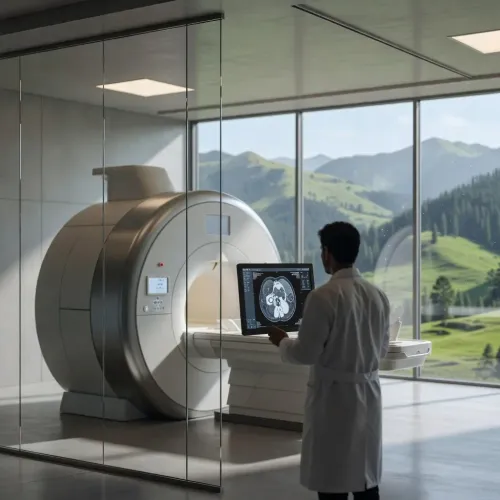
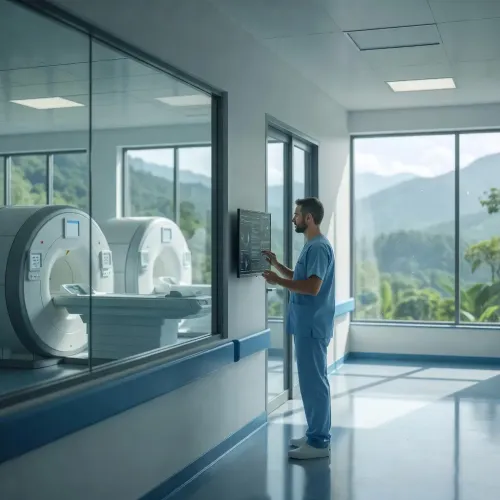
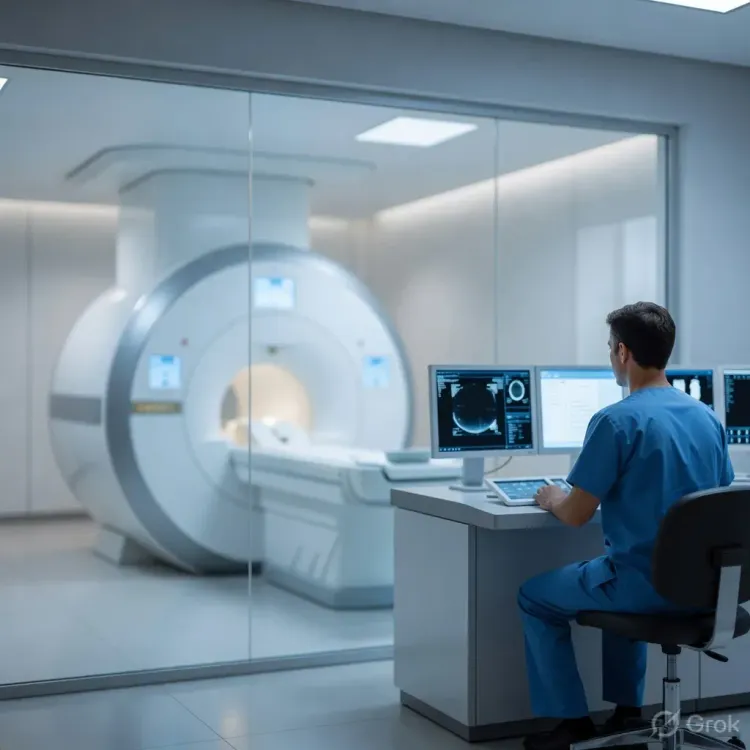
The Chief Minister's Office of Himachal Pradesh has ordered immediate, zero-wait availability of MRI, CT scan and X-ray services at government hospitals, framing it as the state's top priority to deliver world-class healthcare locally without patients travelling outside the state.
Key Takeaways
The Chief Minister's Office of Himachal Pradesh issued a directive on 7 August 2026 mandating immediate availability of MRI, CT scan, and X-ray services in government hospitals.
Patients are to receive diagnostic services with no waiting period — eliminating multi-day queues that have long plagued public facilities.
The government's stated goal is to provide world-class health services within Himachal Pradesh , reducing the need for patients to travel to other states.
Himachal Pradesh's mountainous terrain makes diagnostic delays especially consequential for patients in remote districts.
Follow-up orders on equipment, staffing, and accountability mechanisms at district hospitals will determine whether the directive translates into on-ground change.
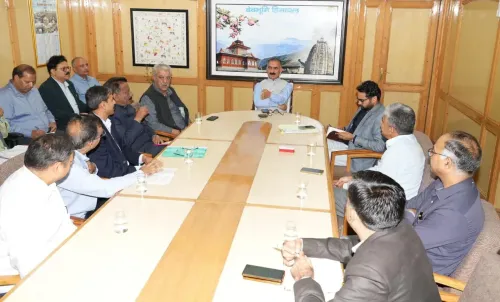
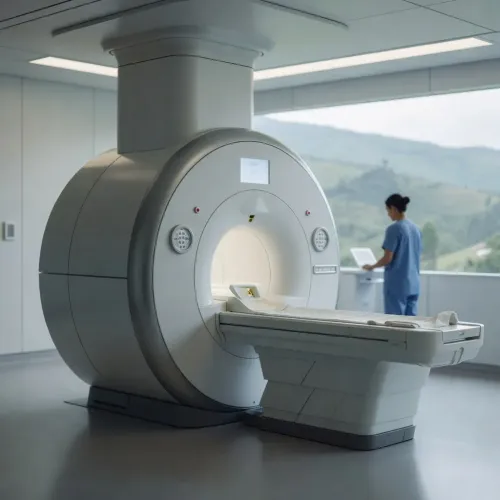
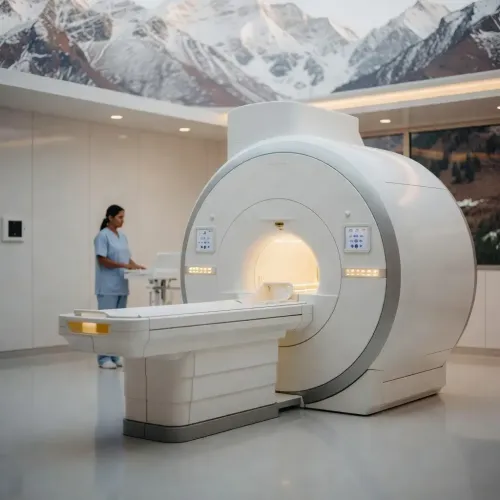
No more waiting rooms stretching into days. The Chief Minister's Office of Himachal Pradesh has directed government hospitals across the state to make MRI, CT scan, and X-ray services available to patients immediately and without any waiting period — a directive that targets one of the most persistent frustrations in public healthcare delivery.
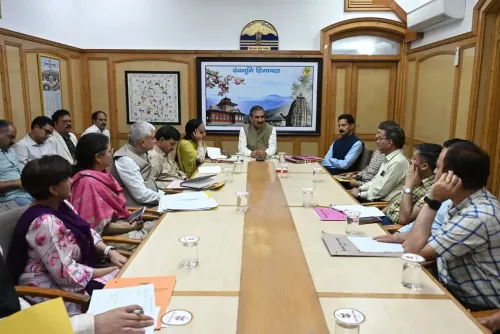
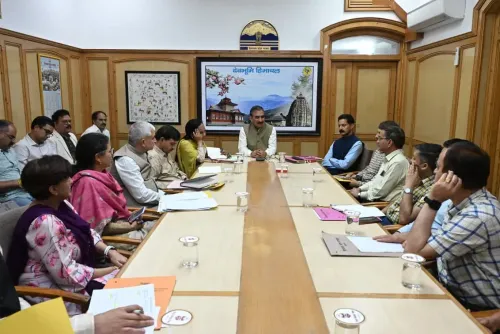
The directive, issued on 7 August 2026, frames the push as a top government priority: strengthening the health sector and ensuring that residents receive world-class medical services within Himachal Pradesh itself — without being forced to travel to larger cities or private centres outside the state.
Why Diagnostics Are the Bottleneck in Hill-State Healthcare
In a state defined by its Himalayan terrain, delayed diagnostics are not a minor inconvenience — they can be the difference between timely treatment and a condition that deteriorates over a mountain road. Patients in districts far from Shimla have historically faced waits of days or weeks for an MRI or CT scan at government facilities, often travelling hundreds of kilometres at personal expense.
State governments across India have periodically issued administrative orders to cut diagnostic queues, but Himachal Pradesh's geography makes the stakes sharper. When a government hospital in a remote district cannot turn around a scan quickly, the patient either waits or pays privately — an option unavailable to many.
The Ambition: World-Class Care, Locally Delivered
The language of the directive is pointed: 'vishwastariya swasthya sevaen' — world-class health services — delivered within the state. That framing signals an intent to reverse the outward flow of patients to Delhi, Chandigarh, or Amritsar for advanced diagnostics and treatment. Whether the directive is backed by equipment upgrades, additional radiology staffing, or monitoring mechanisms at district hospitals will determine how far the ambition travels from the order to the ward.
The broader pattern is clear: state governments that invest in diagnostic infrastructure at the district level reduce both catastrophic household health spending and the burden on tertiary referral centres. Himachal Pradesh's directive fits that logic — the test is implementation.
The next signal to watch: whether district hospital superintendents receive follow-up orders on machine maintenance, radiologist deployment, and a reporting mechanism to hold facilities accountable to the zero-wait standard.
Point of View
Meaning the zero-wait order will face its real test at the facility level, not the press release. Framing world-class local care as the government's 'top priority' also carries electoral undertones — public health access is a persistent voter concern in the state. The directive's credibility will hinge on whether a monitoring mechanism follows, or whether it joins a long list of well-intentioned health orders that faded without enforcement.
NationPress
7 Aug 2026
Frequently Asked Questions
What did the Himachal Pradesh government order regarding hospital diagnostics?
The Chief Minister's Office of Himachal Pradesh directed government hospitals to provide MRI, CT scan, and X-ray services to patients immediately, with no waiting period.
Which hospitals in Himachal Pradesh will offer zero-wait MRI and CT scans?
The directive applies to government hospitals across Himachal Pradesh, though specific facilities and implementation timelines have not been detailed in the order.
Why is reducing diagnostic waiting times important in Himachal Pradesh?
Himachal Pradesh's mountainous terrain means patients in remote districts must travel long distances for scans. Long waits at government hospitals often force patients to pay privately or travel to other states.
Are MRI and CT scans free in Himachal Pradesh government hospitals?
The directive focuses on eliminating waiting times rather than cost; the order does not specify changes to existing fee structures for diagnostic services.
What is the Himachal Pradesh government's broader healthcare goal?
The government has stated its top priority is strengthening the health sector so that residents can access world-class medical services within the state, without needing to travel outside Himachal Pradesh.