HP CM Office: Powerhouse 80% Complete, Energy Push On
Synopsis
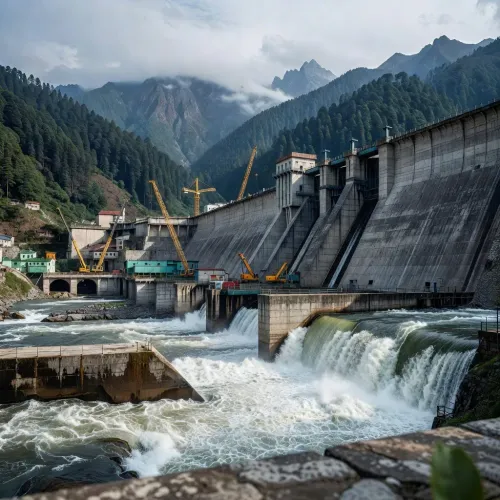
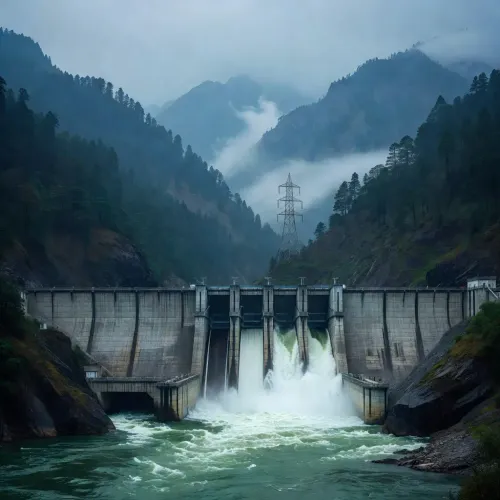
The Chief Minister's Office of Himachal Pradesh announced on 13 July 2026 that about 80 per cent of a hydroelectric project's powerhouse construction is done, with the project set to boost the state's generation capacity, energy self-reliance, and environment-friendly development.
Key Takeaways
The Chief Minister's Office of Himachal Pradesh announced on 13 July 2026 that approximately 80 per cent of a hydroelectric project's powerhouse construction is complete.
The project is intended to increase Himachal Pradesh's electricity generation capacity significantly.
The announcement explicitly links the project to goals of energy self-reliance and environment-friendly development .
Himachal Pradesh holds an estimated hydropower potential of over 20,000 MW , making hydro development central to its economic and energy strategy.
Commissioning of the project will benefit domestic consumers and could strengthen the state's revenue from inter-state power sales.
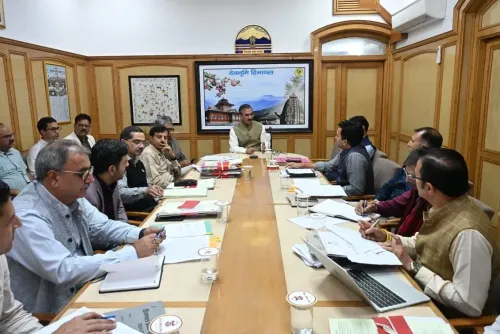
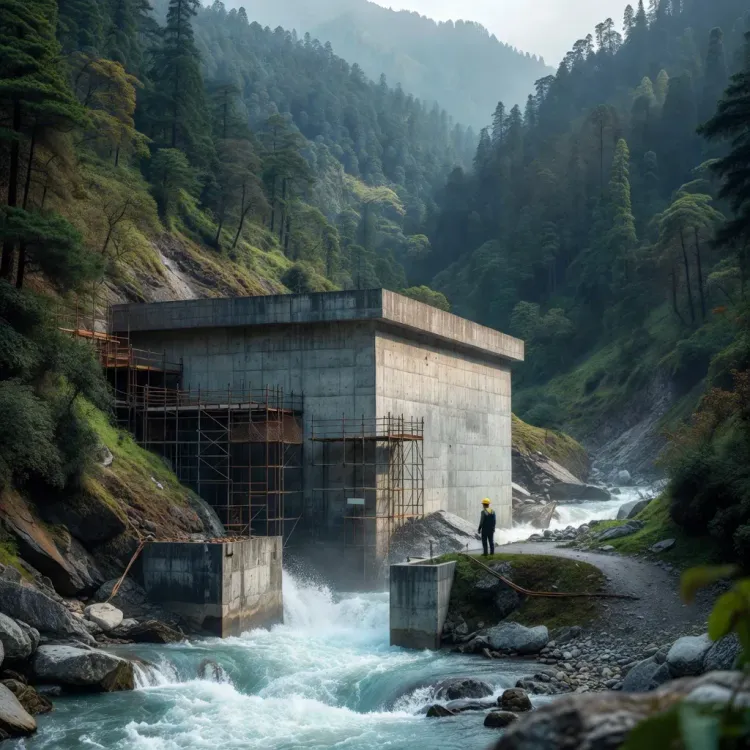
The Chief Minister's Office of Himachal Pradesh announced on Monday, 13 July 2026 that approximately 80 per cent of the construction work on a hydroelectric project's powerhouse has been completed, signalling a significant milestone in the state's push to expand electricity generation capacity.
What the Post Says
The official post, shared in Hindi, states: 'Pariyojana ke power house ka lagbhag 80 pratishat nirman karya ab tak poora ho chuka hai' ('Approximately 80 per cent of the construction work on the project's powerhouse has been completed so far'). It further notes that the project will not only boost the state's electricity generation capacity but also lend fresh momentum to energy self-reliance and environment-friendly development in the energy sector.
Context
Himachal Pradesh sits atop one of India's richest hydropower endowments, with an estimated potential exceeding 20,000 MW across its river systems. The state has pursued hydroelectric development across successive policy cycles since the mid-2000s, treating river basins as a strategic economic asset. Reaching the 80 per cent construction milestone on a powerhouse is a material step toward commissioning, which typically follows civil and electro-mechanical works.
Himalayan hydropower projects carry particular ecological weight. The terrain's sensitivity means that regulators and state governments alike emphasise sustainability frameworks alongside generation targets, a balance the Chief Minister's Office explicitly invoked by referencing environment-friendly development.
Policy Backdrop
The announcement aligns with India's broader clean energy agenda, under which Himalayan states are expected to contribute substantially to national renewable capacity additions. Hydropower from states like Himachal Pradesh feeds into the national grid and supports India's commitment to reducing fossil-fuel dependence. The state has historically positioned itself as a net power-surplus state, with surplus electricity exported to other states through inter-state agreements.
The phrase 'aatmanirbharta' (self-reliance) in the post echoes a policy vocabulary that has gained traction at both state and central levels, applied here to the energy sector. For Himachal Pradesh, energy self-reliance means reducing dependence on power purchased from outside the state while maximising revenue from hydro exports.
Stakeholders and Impact
The primary beneficiaries of increased generation capacity are domestic power consumers across Himachal Pradesh, who stand to gain from a more reliable and potentially cheaper electricity supply once the project is commissioned. Local communities near the project site are also key stakeholders, as hydroelectric construction and operation generate employment and infrastructure development in often remote Himalayan districts.
From a fiscal standpoint, additional generation capacity strengthens the state's ability to earn revenue through power sales to other states, a significant contributor to Himachal Pradesh's budget receipts historically.
What's Next
With 80 per cent of the powerhouse construction complete, attention will turn to the remaining civil works, electro-mechanical equipment installation, and regulatory clearances required before the project can begin trial runs. Commissioning timelines and any state budget provisions for further capacity addition will be closely watched by the power sector. The Chief Minister's Office is expected to provide further updates as construction progresses toward completion.
Point of View
Framing a routine construction milestone within two of the most resonant policy narratives in contemporary Indian governance. For Himachal Pradesh, where hydropower royalties and surplus power sales are fiscal lifelines, a near-complete powerhouse is also a revenue story. The announcement fits a broader pattern of Himalayan state governments using hydro milestones to signal delivery on development promises ahead of budget cycles and electoral calendars. Watchers should track whether a commissioning date is formally announced, which would convert this political signal into a verifiable outcome.
NationPress
13 Jul 2026
Frequently Asked Questions
Which hydroelectric project in Himachal Pradesh has 80 per cent powerhouse construction complete?
The Chief Minister's Office of Himachal Pradesh announced on 13 July 2026 that approximately 80 per cent of the powerhouse construction of a hydroelectric project is complete, but the specific project name was not mentioned in the official post.
What is Himachal Pradesh's total hydropower potential?
Himachal Pradesh has an estimated hydropower potential exceeding 20,000 MW, making it one of India's richest states for hydroelectric energy generation.
How will the new hydroelectric project benefit Himachal Pradesh?
According to the Chief Minister's Office, the project will boost the state's electricity generation capacity, support energy self-reliance, and promote environment-friendly development in the energy sector.
What does energy self-reliance mean for Himachal Pradesh?
For Himachal Pradesh, energy self-reliance means reducing dependence on power purchased from outside the state while generating surplus electricity that can be sold to other states, contributing to state revenue.
When will the Himachal Pradesh hydroelectric project be commissioned?
A specific commissioning date has not been announced. With 80 per cent of the powerhouse construction complete as of July 2026, the remaining works include civil completion, electro-mechanical installation, and regulatory clearances before trial runs can begin.