HP CM Office Renews Push for BBMB Dues from Khattar
Synopsis
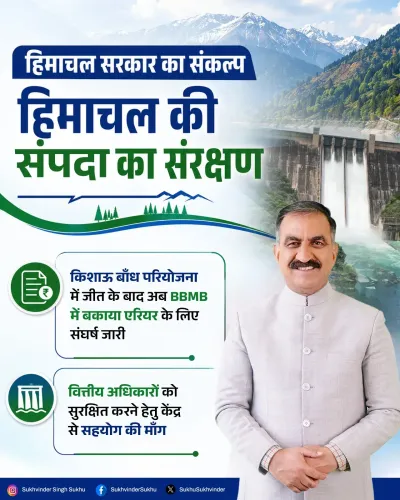
The Chief Minister's Office of Himachal Pradesh has renewed its demand to Union Power Minister Manohar Lal Khattar to intervene and secure release of pending dues from the Bhakra Beas Management Board, framing the issue as a matter of rights for the state's 75 lakh residents.
Key Takeaways
The Chief Minister's Office of Himachal Pradesh posted the demand on 14 July 2026 , marking a renewed push for BBMB dues.
The demand is directed at Union Power Minister Manohar Lal Khattar , indicating prior representations have not yet yielded results.
The state invokes the rights of 75 lakh residents — nearly the entire population of Himachal Pradesh — to frame the financial claim.
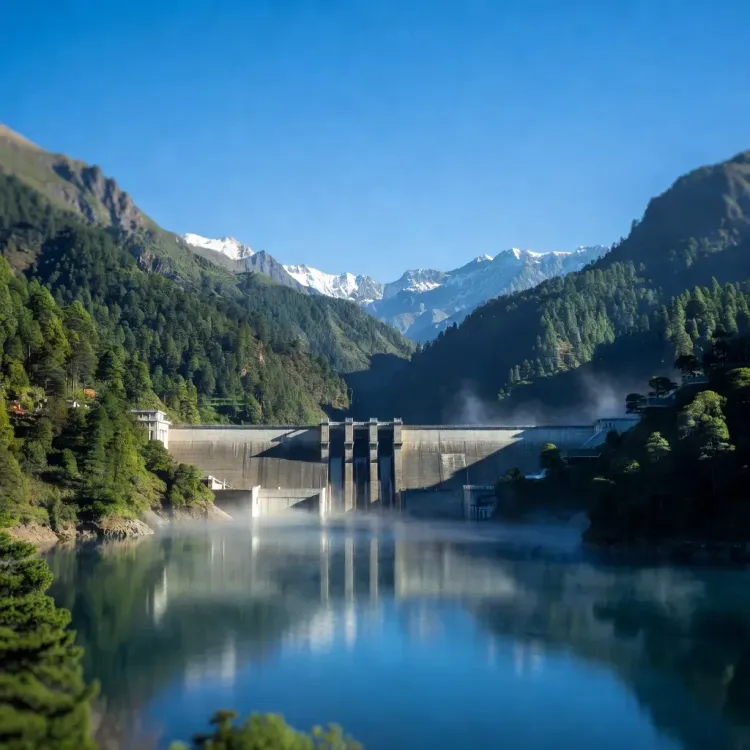
The Bhakra Beas Management Board (BBMB) , constituted under the Punjab Reorganisation Act, 1966 , manages shared hydropower and irrigation assets across four states.
Himachal Pradesh argues its land and water contributions to BBMB projects have not been adequately compensated through existing revenue-sharing arrangements.
Resolution depends on action by the Ministry of Power or a formal BBMB Board decision on settling the outstanding arrears.
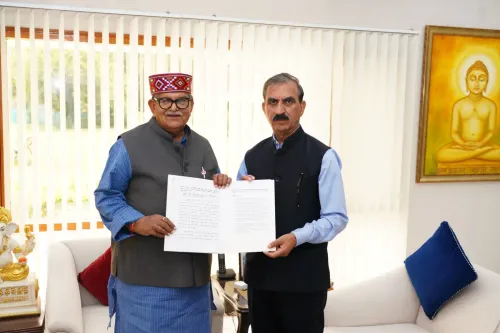
The Chief Minister's Office of Himachal Pradesh on Tuesday, 14 July 2026, formally renewed its demand that Union Power Minister Manohar Lal Khattar intervene to secure the release of pending dues owed to the state from the Bhakra Beas Management Board (BBMB), invoking the rights of 75 lakh residents of the hill state.
Context
The post, addressed directly to the CMO's own handle, states: 'ab hum pradesh ke 75 lakh bhai-bahon ke adhikaron ki aawaz ko mazbooti se uthate hue' — 'we are now firmly raising the voice of the rights of 75 lakh brothers and sisters of the state' — and demands fresh intervention from the Union Minister so that BBMB's outstanding dues to Himachal Pradesh are released without further delay. The phrase 'punah hastakshep ki maang' ('renewed demand for intervention') signals that this is not the first such representation to Khattar's ministry.
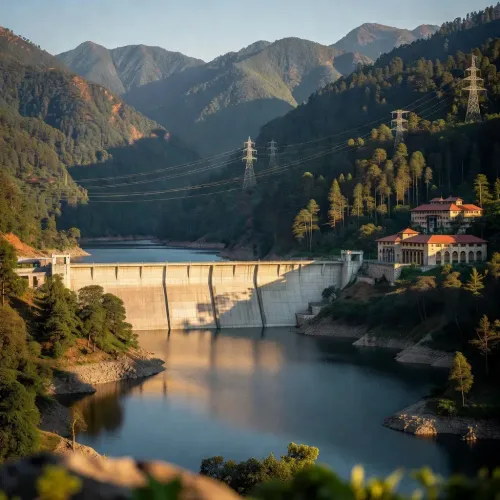
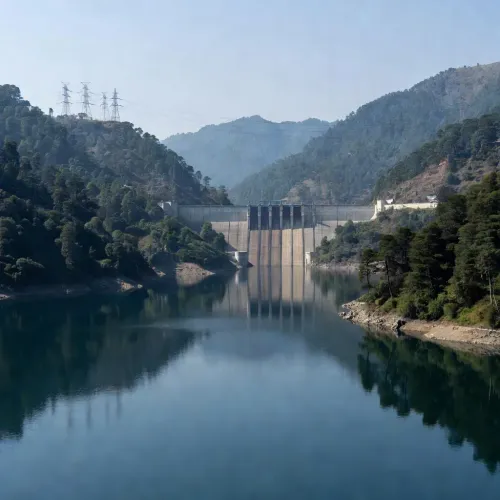
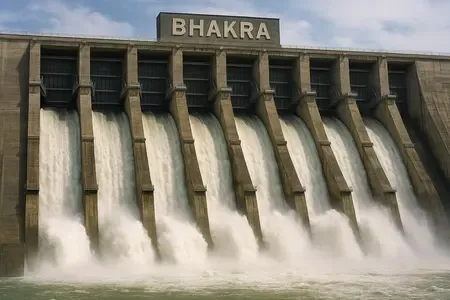
The Bhakra Beas Management Board is a statutory body under the Ministry of Power that oversees the Bhakra Nangal and Beas river projects, distributing hydropower and irrigation revenues among partner states: Himachal Pradesh, Punjab, Haryana, and Rajasthan. The board was constituted under the framework established by the Punjab Reorganisation Act, 1966.
Policy Backdrop
Himachal Pradesh has long maintained that its contributions of land and water resources — the physical foundation on which the Bhakra and Beas projects operate — have not been adequately compensated through BBMB's revenue-sharing mechanism. The state's position is rooted in its identity as an upstream riparian state whose territory hosts the reservoir and dam infrastructure that generates benefits shared across multiple states.
The dispute mirrors a broader federal pattern seen across river-basin boards in India, where upstream states argue that the financial returns they receive do not reflect the environmental and land costs they bear. The Punjab Reorganisation Act, 1966 created the legal architecture for joint management, but the revenue-distribution obligations it established have been a recurring source of friction between Himachal Pradesh and the central board.
Stakeholders and Impact
The CMO's framing of the demand around the rights of 75 lakh citizens — virtually the entire population of Himachal Pradesh — underscores the political weight the state government is placing on the issue. The funds, once released, would flow into the state exchequer and could support expenditure on power infrastructure, irrigation, and public services.
The partner states — Punjab, Haryana, and Rajasthan — which also draw on BBMB-managed resources, are indirect stakeholders in any settlement of inter-state financial claims. Any revision to distribution norms or accelerated payment to Himachal Pradesh could have downstream implications for how BBMB apportions its revenues going forward.
What's Next
The immediate trigger for resolution lies with Union Minister Manohar Lal Khattar and the Ministry of Power, which oversees BBMB. A formal ministerial response, a scheduled BBMB Board meeting, or direct correspondence between Shimla and New Delhi on arrears settlement would be the next milestones to watch.
If the Centre does not act on this renewed demand, the Himachal Pradesh government may escalate through legal or inter-governmental channels — a step that would sharpen tensions in an already contested area of centre-state fiscal federalism over jointly managed river assets.
Point of View
Designed to apply political pressure on the Union government ahead of any potential budget or BBMB Board review. By anchoring the demand in the rights of '75 lakh brothers and sisters,' the state is deploying populist framing to convert a technocratic revenue dispute into a political accountability issue. This follows a well-worn playbook in Indian federal politics, where state governments use public communication to force the Centre's hand when administrative channels stall. The outcome will test whether the current political relationship between the Himachal Pradesh government and the BJP-led Centre facilitates or complicates a negotiated settlement on inter-state hydropower revenues.
NationPress
14 Jul 2026
Frequently Asked Questions
What are the BBMB pending dues to Himachal Pradesh?
The Bhakra Beas Management Board owes Himachal Pradesh outstanding payments related to power generation and water usage from projects located within the state's territory. The exact quantum of dues has not been officially disclosed in public records.
What is the Bhakra Beas Management Board (BBMB)?
The BBMB is a statutory body under India's Ministry of Power that manages the Bhakra Nangal and Beas river projects, distributing hydropower and irrigation revenues among Himachal Pradesh, Punjab, Haryana, and Rajasthan.
Why is Himachal Pradesh demanding dues from BBMB?
Himachal Pradesh argues that as the upstream riparian state whose land and water resources underpin BBMB's projects, it has not received adequate compensation through the board's revenue-sharing mechanism established under the Punjab Reorganisation Act, 1966.
Who is Manohar Lal Khattar and what is his role here?
Manohar Lal Khattar is India's Union Minister of Power and Housing and Urban Affairs. Himachal Pradesh has addressed its demand to him because BBMB functions under the Ministry of Power, making him the key central authority for resolving the dues dispute.
What happens if the Centre does not release BBMB dues to Himachal Pradesh?
If the Ministry of Power does not act on the demand, Himachal Pradesh may escalate through legal or formal inter-governmental channels, potentially deepening centre-state tensions over revenue sharing from jointly managed river projects.