HP CM Office unveils digital museum with VR, AR tech
Synopsis
The Chief Minister's Office of Himachal Pradesh announced a digital museum featuring VR, AR, 3D scanning, and immersive storytelling to preserve the state's folk traditions, handicrafts, spiritual heritage, and freedom fighter legacy, extending regional culture to global digital audiences.
Key Takeaways
The Chief Minister's Office of Himachal Pradesh announced a digital museum on 10 July 2026 .
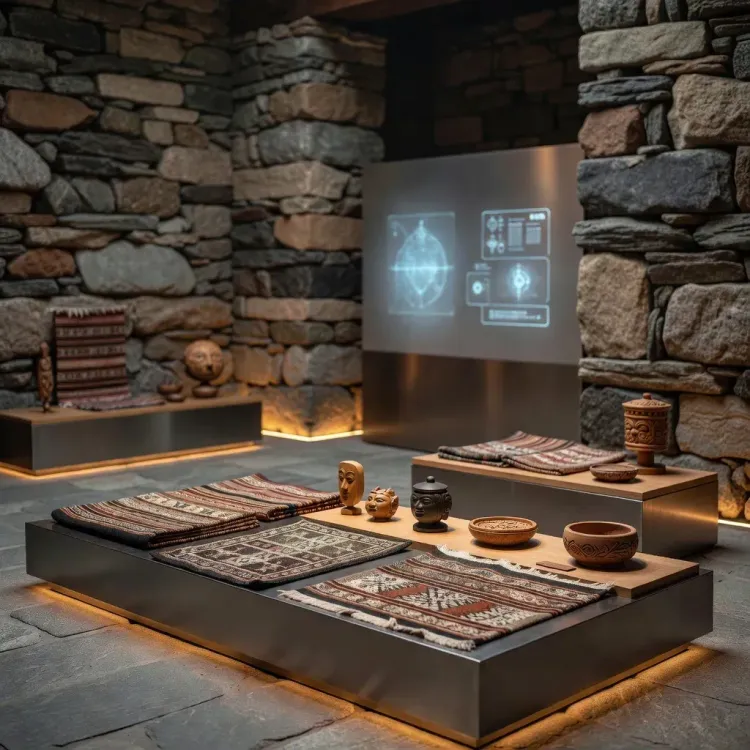
The museum will use high-resolution 3D scanning, VR, AR, interactive timelines, and immersive storytelling .
Content will cover folk traditions, handicrafts, spiritual heritage, and freedom fighters of Himachal Pradesh.
The initiative aligns with the national Digital India programme and the Ministry of Culture's heritage digitisation mandate.
Key beneficiaries include cultural tourists, students, and local artisans in the state.
Exact launch timeline and technology partnerships remain to be announced by the state government.
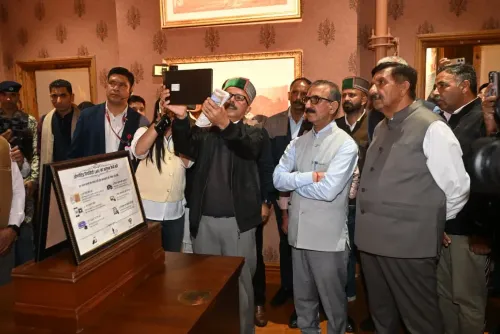
The Chief Minister's Office of Himachal Pradesh announced on Friday, 10 July 2026 the key features of a planned digital museum that will deploy cutting-edge technologies including high-resolution 3D scanning, virtual reality (VR), augmented reality (AR), interactive timelines, and immersive storytelling to document and present the state's cultural heritage.
Context
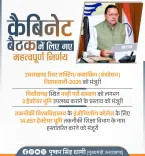
The official post from the Chief Minister's Office outlined the museum's scope in Hindi, stating it would cover lok paramparaon, hastshilp, adhyatmik virasat aur swatantrata senaniyon (folk traditions, handicrafts, spiritual heritage, and freedom fighters). The initiative signals a formal state-level commitment to preserving Himachal Pradesh's intangible cultural assets in a permanent digital format accessible beyond geographical boundaries.
The announcement highlights two broad pillars: the technology stack — encompassing VR, AR and 3D scanning — and the thematic content, which spans the state's folk arts, artisanal traditions, temples and sacred sites, and the contributions of its freedom fighters to India's independence movement.
Policy Backdrop
The project fits squarely within the national Digital India programme, launched in 2015, which expanded the mandate for digital infrastructure to include cultural resources and e-governance. The Ministry of Culture began systematic digitisation of museum collections and heritage archives through the 2010s, creating online portals and virtual exhibits accessible to citizens across the country.
Indian states accelerated adoption of VR, AR and 3D documentation tools after the COVID-19 pandemic disrupted physical tourism and museum visits, making virtual access to heritage a policy priority. Himachal Pradesh, known for landmarks such as Kullu shawls, ancient Himalayan temples, and a rich oral tradition, has particular incentive to digitise assets that are vulnerable to climate change and demographic shifts in artisan communities.
Stakeholders and Impact
The primary beneficiaries are cultural tourists, students, and local artisans whose crafts and traditions will be documented. For artisans — especially weavers and craftspeople in remote hill districts — a high-resolution digital archive could serve as both a preservation tool and a promotional platform that reaches global audiences without requiring physical travel.
Freedom fighter documentation embedded in the museum adds a civic-education dimension, potentially integrating with school curricula and national commemoration programmes. The immersive storytelling format, as opposed to static text archives, is designed to engage younger, digitally native audiences who may otherwise remain disconnected from regional history.
What's Next
Observers will watch for the public rollout timeline of the platform, its integration with national cultural portals, and any state budget allocations or technology partnerships announced for content development and long-term maintenance. The breadth of technologies cited — VR, AR, 3D scanning, and interactive timelines — suggests a multi-vendor or consortium model will be required, making procurement and partnership decisions a key next step for the Himachal Pradesh government.
If the platform is linked to existing national digital heritage initiatives, it could serve as a replicable model for other Himalayan and hill states seeking to document similarly fragile intangible traditions.
Point of View
Scalable public asset at a time when physical heritage faces climate and demographic pressures. By combining VR, AR, and 3D scanning under one platform, the initiative positions Himachal as an early mover among hill states in immersive heritage tech, potentially attracting both tourism investment and central government funding. The explicit inclusion of freedom fighters alongside folk and spiritual traditions is a politically astute framing that broadens the project's appeal across civic, educational, and cultural constituencies. Whether the platform achieves its ambitions will depend heavily on procurement execution, content quality, and sustained budget commitment beyond the announcement phase.
NationPress
10 Jul 2026
Frequently Asked Questions
What is the Himachal Pradesh digital museum announced by the CM Office?
It is a planned digital museum announced by the Chief Minister's Office of Himachal Pradesh that will use VR, AR, 3D scanning, interactive timelines, and immersive storytelling to document and present the state's folk traditions, handicrafts, spiritual heritage, and freedom fighter history.
What technologies will the Himachal Pradesh digital museum use?
The museum will incorporate high-resolution 3D scanning, virtual reality (VR), augmented reality (AR), interactive timelines, and immersive storytelling formats to make cultural content accessible digitally.
What cultural content will the HP digital museum cover?
The museum will cover Himachal Pradesh's folk traditions, handicrafts such as Kullu shawls, spiritual and religious heritage including ancient temples, and the contributions of the state's freedom fighters to India's independence movement.
How does the HP digital museum relate to Digital India?
The project aligns with the national Digital India programme launched in 2015, which expanded digital infrastructure to include cultural resources, and with the Ministry of Culture's ongoing digitisation of heritage collections.
Who will benefit from the Himachal Pradesh digital cultural museum?
The primary beneficiaries are cultural tourists, students, and local artisans whose traditions will be documented, as well as global audiences who can access Himachal's heritage without travelling to the state.