HP CM's Office lays foundation of PINE DINE Eco Food Park
Synopsis
The Chief Minister's Office of Himachal Pradesh announced the foundation-laying of the PINE DINE Eco Food Park on 27 October 2026, aiming to promote local cuisine, boost hill-district tourism, and create new employment and self-employment opportunities for residents.
Key Takeaways
The PINE DINE Eco Food Park foundation stone was laid on 27 October 2026 by the Himachal Pradesh government.
The project is intended to promote tourism and give a new identity to local cuisine and regional products .
The initiative aims to generate employment and self-employment opportunities for local communities.
Himachal Pradesh's economy is heavily reliant on tourism, horticulture and hydropower , making rural income diversification a state priority.
Specific details including the park's location, funding and construction timeline are yet to be officially released.
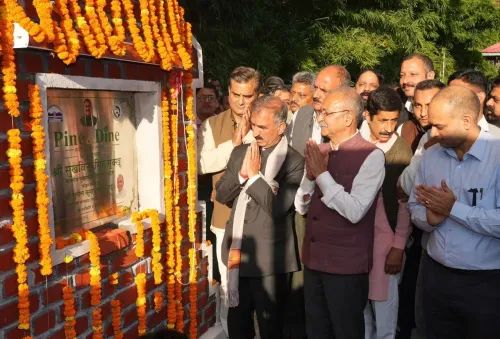
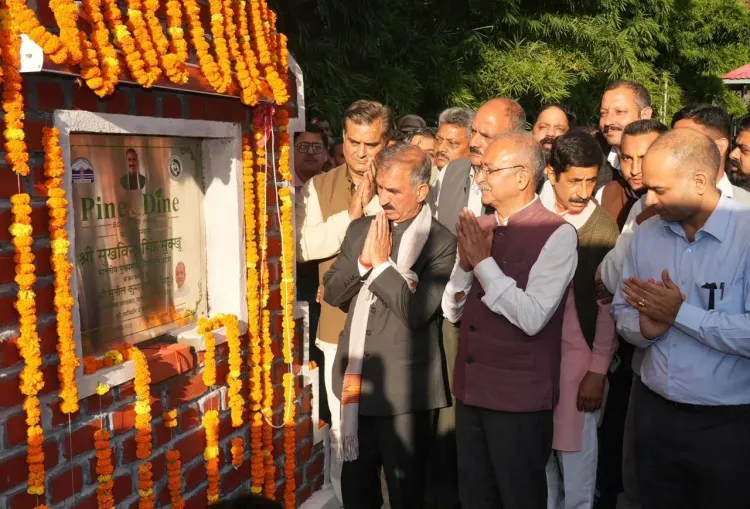
A pine-scented hill district in Himachal Pradesh is about to get a new landmark — and with it, a fresh promise of livelihoods. The Chief Minister's Office of Himachal Pradesh announced on Tuesday, 27 October 2026, that the foundation stone of the PINE DINE Eco Food Park has been laid, positioning the project as a catalyst for local tourism and rural employment.
The CMO shared the news in Hindi, stating: 'आज PINE DINE इको फूड पार्क का शिलान्यास किया' — 'Today, the foundation stone of the PINE DINE Eco Food Park was laid.' The post underlined that the initiative would 'play an important role in promoting tourism in the region and giving a new identity to local cuisine and products.'
What the Eco Food Park is meant to do
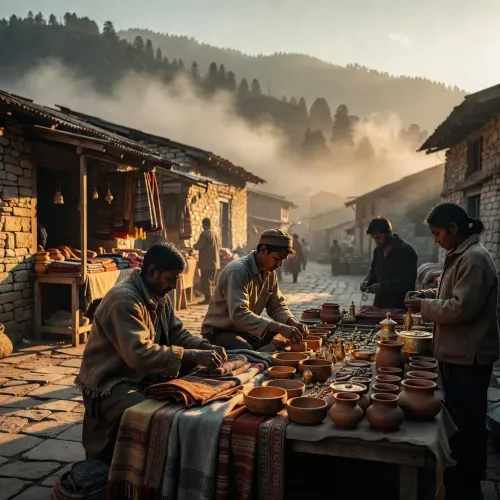
At its core, the PINE DINE Eco Food Park is designed as an experience-economy project — blending food, nature and local culture into a single destination. The CMO's announcement stressed twin goals: putting Himachal's indigenous flavours on the map, and generating fresh employment and self-employment avenues for residents. In a state where traditional livelihoods hinge on horticulture and hospitality, that combination carries real weight.
Himachal Pradesh periodically launches small-scale tourism and food-processing infrastructure to diversify rural incomes, particularly in hill districts where flat agricultural land is scarce and off-season unemployment runs high. An eco-themed food park fits squarely into that playbook — but the 'PINE DINE' branding signals an attempt to create an identifiable, promotable destination rather than a generic market shed.
Tourism diversification — Himachal's long game
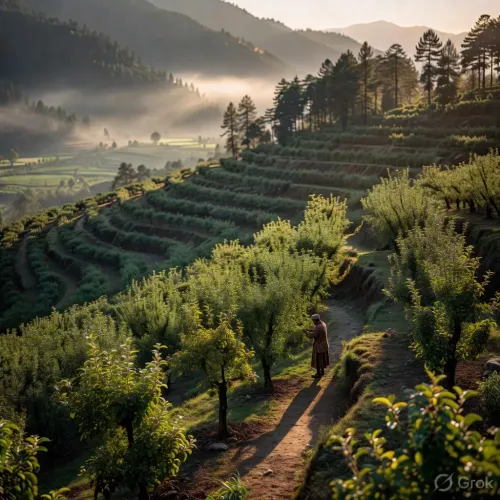
The state's economy leans heavily on tourism, horticulture and hydropower. Peak-season footfall in circuits like Shimla, Manali and Dharamshala drives revenue, but income remains uneven and geographically concentrated. Projects that anchor visitors in smaller localities — especially ones that showcase local food — can extend tourist spending beyond the usual hotspots.
Self-employment is the other lever. Hill communities increasingly look to agri-food enterprises, homestays and experience-based tourism as supplements to farming. A dedicated eco food park, if it delivers on its promise of infrastructure and footfall, could seed exactly that kind of micro-entrepreneurship.
Specific details — the park's precise location, funding source, construction timeline and capacity — are yet to be officially released. Those numbers will determine whether this foundation stone translates into a functioning destination or remains an announcement. Himachal Pradesh's track record of converting small tourism-infrastructure pledges into operational sites will be the real measure here.
One foundation stone laid. The question now is how quickly this pine-forested food park goes from ceremony to cuisine — and how many hill families find work in the answer.
Point of View
Attempting to distribute visitor spending more evenly across hill districts. Foundation-stone events are politically useful optics, but the real test is delivery — the state has a mixed record on converting small-scale tourism infrastructure pledges into operational, revenue-generating facilities. If the project moves quickly to completion, it could serve as a replicable template for other hill districts seeking to monetise local food culture. The self-employment angle is the sharpest policy signal: it acknowledges that wage jobs alone cannot absorb Himachal's rural workforce and that micro-enterprise must fill the gap.
NationPress
27 Oct 2026
Frequently Asked Questions
What is the PINE DINE Eco Food Park in Himachal Pradesh?
The PINE DINE Eco Food Park is a newly announced tourism and food infrastructure project in Himachal Pradesh whose foundation stone was laid on 27 October 2026. It is designed to promote local cuisine, regional products, and generate employment for hill communities.
Where is the PINE DINE Eco Food Park located in Himachal Pradesh?
The precise location of the PINE DINE Eco Food Park has not yet been officially disclosed by the Himachal Pradesh government. Details on the district and site are expected to be released in subsequent official communications.
What are the benefits of the PINE DINE Eco Food Park for locals?
According to the Chief Minister's Office, the park will create new employment and self-employment opportunities for local residents, boost tourism in the area, and help local food products and cuisine gain wider recognition.
How does the PINE DINE Eco Food Park fit into Himachal Pradesh tourism policy?
Himachal Pradesh regularly launches small-scale tourism and food-processing infrastructure projects to diversify rural incomes. The PINE DINE Eco Food Park aligns with this pattern by combining an eco-tourism experience with promotion of local culinary identity.
Who announced the PINE DINE Eco Food Park foundation stone laying?
The announcement was made by the Chief Minister's Office of Himachal Pradesh on 27 October 2026 via its official account on X.