Hizb-ut-Tahrir targets South India: Radicalise youth, build proxies, exploit PFI vacuum

Synopsis
Hizb-ut-Tahrir is not planning bombings — it is playing a longer, quieter game. Indian intelligence agencies say the ISI-backed outfit is systematically targeting Tamil Nadu and Kerala youth, filling the vacuum left by the PFI ban, and building proxy outfits designed to incite communal violence. Foreign funds from Germany and Switzerland are already under the scanner.
Key Takeaways
Hizb-ut-Tahrir (HuT) has sharply escalated digital activity and recruitment efforts targeting South India , particularly Tamil Nadu and Kerala .
The ISI is reportedly overseeing HuT's South India operations and facilitating foreign funding, including from Germany and Switzerland .
HuT is exploiting the operational vacuum left by the ban on the Popular Front of India (PFI) in September 2022 , reaching out to former PFI cadres.
The outfit is currently in Stage 1 of a three-phase plan — focused on radicalisation and recruitment — with proxy outfit creation and eventual armed operations planned for later stages.
The Chennai Crime Branch first arrested five HuT operatives in May 2014 ; the NIA continues to probe the outfit's activities.
Analysts say HuT is deliberately moving away from conventional attacks, instead targeting communal harmony and public discourse through long-term radicalisation.
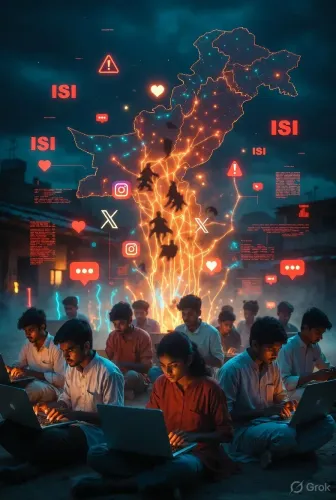
Hizb-ut-Tahrir (HuT), the global Islamist organisation, has sharply escalated its focus on South India, with Indian intelligence agencies tracking a surge in the outfit's digital activity, encrypted communications among cadres, and an expanding foreign funding trail — including from Germany and Switzerland, according to officials familiar with the probe.
ISI Backing and the South India Strategy
An Intelligence Bureau (IB) official said the revival of HuT is considered critical to the Pakistan's Inter-Services Intelligence (ISI)'s South India operations. According to the official, the ISI has been actively overseeing HuT's activities in the region and facilitating the inflow of funds from multiple countries. Investigators are working with foreign counterparts, including in Germany and Switzerland, to trace the financial channels being used to sustain the outfit.
The official noted that HuT had remained largely dormant for several years before a sudden spike in online activity triggered fresh concern among Indian agencies. The outfit is currently assessed to be in the first stage of a three-phase operational plan — focused entirely on radicalisation and recruitment, with no immediate ground operations planned.
Exploiting the PFI Vacuum
Officials say HuT is actively leveraging the networks and resources of the Popular Front of India (PFI), which was banned in September 2022. The outfit has reportedly been reaching out to former PFI cadres who went underground following the ban. According to officials, the PFI ban created a significant operational vacuum in South India, and multiple groups are now competing to fill it — with HuT emerging as one of the primary contenders.
The primary target states at present are Tamil Nadu and Kerala. Once a sufficient base of radicalised recruits is established there, the plan is to expand operations to other southern states.
The Three-Stage Blueprint
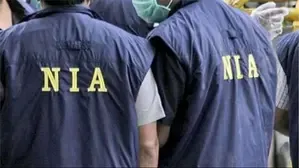
The National Investigation Agency (NIA), which has been probing HuT-linked cases, found that cadres were instructed to operate in three stages. The first stage centres on recruitment and radicalisation. The second involves pushing for the establishment of an Islamic Caliphate. The third stage would entail the creation of Muslim armies, seeking foreign assistance, and carrying out attacks.
Officials stress that HuT is currently playing a long game — deliberately maintaining a low profile to avoid the attention of Indian agencies while steadily expanding its footprint through a select number of outfits.
Proxy Outfits and a Shift Away from Conventional Terror
Once radicalisation programmes are sufficiently advanced, HuT reportedly plans to establish multiple proxy organisations. These proxies would be tasked with staging protests and inciting communal violence. Analysts and security experts note that this marks a shift in tactics — away from conventional attacks involving shootings and bombings, toward a longer-term strategy of deepening communal rifts and destabilising public discourse.
The outfit's ideological agenda includes propagating the implementation of Sharia law and reshaping public opinion through sustained outreach during its radicalisation programmes, where recruits are instructed on radical interpretations of Islam and their perceived duty to spread the message across states.
The 2014 Chennai Arrests: Early Warning Signs
HuT's South India ambitions were first flagged publicly when the Chennai Crime Branch arrested five operatives of the outfit in May 2014. The arrested individuals were identified as Nawaz Sharif, Hameed Hussain, Mohammad Maurice, Ahmed Mansoor, and Abdul Rahman. Investigations revealed that the module had been holding secret weekly classes in Chennai every Sunday, where members preached radical Islam and discussed the establishment of an Islamic Caliphate in South India.
With HuT now reportedly deepening its outreach and funding infrastructure more than a decade after those first arrests, security agencies are watching the organisation's next moves closely.
Point of View
Precisely because it does not fit the template of a conventional terror group. Its deliberate avoidance of bombings and shootings makes it harder to prosecute and easier to dismiss — which is the point. The PFI ban, while necessary, demonstrably created a recruitment pool that better-funded and more ideologically coherent outfits like HuT are now mining. The ISI's reported involvement is not incidental; it suggests a strategic calculation that destabilising South India through communal friction is a more durable objective than a single spectacular attack. Indian agencies face a structural challenge: laws built around acts of violence are poorly suited to prosecuting a group whose current activity is, on the surface, ideological outreach.
NationPress
27 Oct 2026
Frequently Asked Questions
What is Hizb-ut-Tahrir and why is it active in South India?
Hizb-ut-Tahrir (HuT) is a global Islamist organisation that seeks to establish an Islamic Caliphate. According to intelligence officials, it has identified South India — particularly Tamil Nadu and Kerala — as a priority target for radicalisation and recruitment, exploiting the operational vacuum created by the ban on the Popular Front of India (PFI) in 2022.
What is HuT's three-stage operational plan in India?
According to the NIA, HuT cadres were instructed to follow three stages: first, recruitment and radicalisation; second, pushing for the establishment of an Islamic Caliphate; and third, forming Muslim armies, seeking foreign support, and carrying out attacks. The outfit is currently assessed to be in Stage 1.
How is HuT being funded and who is overseeing its operations?
Officials say the ISI is overseeing HuT's South India operations and helping channel funds from abroad. The funding trail leads to countries including Germany and Switzerland, and Indian investigators are working with those nations to trace the financial flows.
What is HuT's connection to the banned PFI?
Following the ban on the Popular Front of India in September 2022, HuT has reportedly been reaching out to former PFI cadres who went underground. Officials say the PFI ban created a large operational vacuum in South India that multiple groups are now competing to fill, with HuT being one of the primary contenders.
When was HuT's South India network first detected?
The Chennai Crime Branch first arrested five HuT operatives in May 2014 — Nawaz Sharif, Hameed Hussain, Mohammad Maurice, Ahmed Mansoor, and Abdul Rahman. Investigations revealed the module was holding secret Sunday classes in Chennai to propagate radical Islam and discuss establishing a Caliphate in South India.