Batticaloa to Tamil Nadu: How ISI is pushing radicalisation in South India
Synopsis
India's intelligence establishment isn't just watching for bombs — it's tracking a slow-burn ideological campaign. Officials say the ISI is using Sri Lanka's Batticaloa district, the hometown of Easter bombing mastermind Zahran Hashim, as a launchpad to push Wahhabi ideology into Tamil Nadu, with former LTTE recruits and the UN-listed Rabita Trust as additional vectors.
Key Takeaways
Indian intelligence agencies are monitoring Batticaloa district , Sri Lanka, as the hub of an ISI-backed radicalisation drive targeting Tamil Nadu and South India.
Zahran Hashim , mastermind of the 2019 Easter Sunday bombings , was from Batticaloa and reportedly radicalised youth in Tamil Nadu; the Coimbatore and Mangaluru bombers are identified as his prodigies.
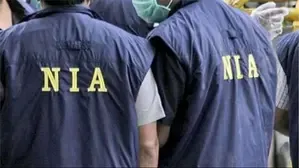
The NIA busted an ISI espionage module in 2014 , arresting three individuals including Arun Selvarajan ; the module had planned attacks on US and Israeli Consulates in Chennai and Bengaluru .
The Rabita Trust , a Pakistan-based NGO listed by the UN for Al-Qaeda links, is reportedly being used by the ISI to spread radical ideology in southern India.
Officials say the ISI is also attempting to recruit former LTTE operatives by exploiting anti-state sentiment from Sri Lanka's military campaign against the Tamil Tigers.
The ISI strategy is described as two-pronged: widespread radicalisation first, followed by recruitment of operatives from Sri Lanka and the Maldives for eventual attacks.
Indian intelligence agencies are closely monitoring Batticaloa district in Sri Lanka as a key node in what officials describe as a sustained ISI-backed radicalisation push targeting Tamil Nadu and other southern Indian states. Unlike the direct, attack-oriented strategy the ISI reportedly employs in North India, its approach in the South is characterised by gradual cultural and ideological infiltration, according to multiple intelligence officials.
Batticaloa: The Wahhabi Hub Under Watch
An Intelligence Bureau official described Batticaloa as the epicentre of Wahhabism in Sri Lanka, flagging it as an area of concern not only for India but for Sri Lanka itself. According to the official, several politicians who hold influence in the district maintain financial ties with Saudi foundations, which have reportedly fuelled a surge in Wahhabi activity in the region. Agencies warn that these elements are now looking to extend their reach into South India, particularly Tamil Nadu.
Batticaloa's history with radical elements is well-documented. Zahran Hashim, the mastermind behind the 2019 Sri Lanka Easter Sunday bombings, hailed from the district. Investigators say Hashim was heavily radicalised there and made multiple visits to Tamil Nadu with the stated intent of radicalising local youth. According to investigators, his efforts bore results — the Coimbatore bomber Jamesha Mubin and the Mangaluru bomber Mohammad Shariq are both identified as his prodigies.
The Kerala Precedent and Tamil Nadu's Vulnerability
Officials point to Kerala as a template for the ISI's southern strategy. Since the early 2000s, a steady stream of Wahhabi preachers visited Kerala, reportedly driving a significant shift in religious outlook among a section of the population. After intelligence agencies flagged this pattern, Saudi-linked preachers gradually reduced their direct visits to the state. The ISI, according to officials, now seeks to replicate that model in Tamil Nadu — this time routing influence through elements based in Batticaloa rather than directly from the Gulf.
NIA Busts and the 2014 ISI Module
A discernible pattern of ISI activity in South India intensified around 2013, with the National Investigation Agency (NIA) dismantling a major ISI-linked espionage module the following year. In September 2014, Arun Selvarajan became the third person arrested in connection with the module. Earlier arrests had netted Mohammed Sakir Hussain in Chennai and Mohammed Hussain Suleman in Malaysia. Investigations revealed that the module had planned attacks on the US and Israeli Consulates in Chennai and Bengaluru, with the intent to recruit and radicalise youth from the Maldives as operatives.
Former LTTE Operatives and the Rabita Trust
In a parallel line of effort, officials say the ISI has been attempting to recruit former LTTE operatives, exploiting residual anti-state sentiment stemming from Sri Lanka's military campaign against the Tamil Tigers. This recruitment drive is described as ongoing, though agencies say the deeper worry is the cultural transformation being engineered through Wahhabi networks rather than the immediate threat of physical attacks.
Of particular concern is the growing activity of the Rabita Trust, a Pakistan-based NGO that the United Nations database identifies as having provided logistical and financial support to Al-Qaeda. According to the UN listing, the trust maintained ties with Al-Qaeda leaders including Aiman Muhammed Rabi al-Zawahiri and Sobhi Abdel Aziz Mohamed el Gohary Abu Sinna, as well as entities such as Makhtab al-Khidamat and the Armed Islamic Group. Officials say the ISI is using the trust as a conduit to spread radical ideology across Tamil Nadu and neighbouring southern states.
The Two-Pronged Strategy and What Comes Next
According to officials, the ISI's current approach is explicitly two-pronged: first, widespread radicalisation to build a receptive base; second, eventual recruitment of operatives from Sri Lanka and the Maldives to execute attacks on southern Indian targets. Agencies say the long-term cultural dimension — not the immediate operational threat — is what makes Batticaloa's trajectory particularly consequential for India's internal security calculus. Surveillance of cross-border networks and financial flows linked to the district is expected to intensify in the coming months.
Point of View
Not a kinetic one. The Kerala precedent — where two decades of quiet preacher networks preceded a visible shift in radicalisation indices — is the model being replicated, not the Pulwama template. What makes this harder to counter is that radicalisation, unlike a bomb plot, leaves no forensic trail until it is too late. The Rabita Trust's UN listing and the Zahran Hashim genealogy provide documented proof of the network's reach; the question is whether India's counter-radicalisation infrastructure in Tamil Nadu is built for a slow-moving ideological threat rather than a fast-moving operational one.
NationPress
21 Oct 2026
Frequently Asked Questions
Why is Batticaloa district in Sri Lanka a concern for Indian intelligence?
Batticaloa is identified by Indian intelligence officials as the centre of Wahhabi activity in Sri Lanka, with local politicians reportedly linked to Saudi foundations. The district is also the hometown of Zahran Hashim, the mastermind of the 2019 Easter Sunday bombings, who allegedly conducted radicalisation drives in Tamil Nadu.
What is the ISI's strategy in South India compared to North India?
According to intelligence officials, the ISI pursues a 'soft' strategy in South India focused on radicalisation and demographic change, in contrast to the more direct, attack-oriented approach it reportedly employs in North India. The long-term goal, officials say, is to build a radicalised base before deploying operatives for attacks.
What is the Rabita Trust and why is it flagged?
The Rabita Trust is a Pakistan-based NGO listed in the United Nations database for providing logistical and financial support to Al-Qaeda. It has also maintained ties with Al-Qaeda leaders including Aiman Muhammed Rabi al-Zawahiri. Indian officials say the ISI is using the trust to spread radical ideology in Tamil Nadu and other southern states.
What was the 2014 NIA ISI module case?
The National Investigation Agency busted an ISI-linked espionage module in 2014, arresting three individuals — Mohammed Sakir Hussain in Chennai, Mohammed Hussain Suleman in Malaysia, and Arun Selvarajan in September 2014. Investigations revealed plans to recruit and radicalise Maldivian youth to attack US and Israeli Consulates in Chennai and Bengaluru.
How is the ISI attempting to use former LTTE operatives?
According to officials, the ISI has been contacting former LTTE operatives and reminding them of the Sri Lankan military's campaign against the Tamil Tigers in order to exploit residual anti-state sentiment as a recruitment tool for operations targeting South India.