ISI using Jamaat-e-Islami, proxy schools and local groups to revive Kashmir terror

Synopsis
India's intelligence agencies say the ISI has merged Al-Badr and Hizbul Mujahideen, activated banned Jamaat-e-Islami cadres for fundraising, and is now planning proxy schools to radicalise Kashmiri children from a young age — a long-term strategy that officials describe as the most structured destabilisation effort in the Valley since the abrogation of Article 370.
Key Takeaways
The ISI is using Jamaat-e-Islami (J&K) to revive separatism, raise terror funds, and build a new overground worker network in Jammu and Kashmir .
The Government of India extended the ban on Jamaat-e-Islami J&K by five years in 2024 ; the outfit was first banned on 28 February 2019 .
The ISI has brought Al-Badr and Hizbul Mujahideen together and wants the Jamaat to handle funding and logistics for the combined network.
NIA raids have recently targeted the Jamaat's financial operations in the Valley.
The ISI is directing the Jamaat to set up proxy schools aimed at radicalising children — mirroring a tactic that prompted the J&K administration to take over 200 Jamaat-affiliated schools in the past.
Officials say the ISI has intensified efforts following Operation Sindoor , which caused significant embarrassment to Pakistan.
India's intelligence agencies have assessed that Pakistan's Inter-Services Intelligence (ISI) is executing a multi-pronged strategy to revive terrorism and separatism in Jammu and Kashmir, leveraging banned outfit Jamaat-e-Islami (J&K), proxy educational institutions, and a reconstituted network of overground workers. The strategy, officials say, has intensified in the wake of Operation Sindoor and represents one of the most structured destabilisation efforts the Valley has seen since the abrogation of Article 370.
Jamaat-e-Islami at the Centre of ISI's Revival Plan
According to an Intelligence Bureau official, the ISI has tasked Jamaat-e-Islami cadres in the Valley with a three-pronged mandate: stoking separatist sentiment, raising funds for terror activities, and helping establish a fresh network of overground workers (OGWs). Many Jamaat members are reportedly in active contact with their counterparts in Pakistan and are said to be coordinating the revival of full-scale terrorism in the region.
The Government of India extended the ban on Jamaat-e-Islami, Jammu and Kashmir, by five years in 2024. Announcing the decision, Union Home Minister Amit Shah stated: 'Pursuing PM Modi's policy on zero tolerance against terrorism and separatism, the government has extended the ban on the Jamaat-e-Islami, Jammu and Kashmir, for five years. The organisation is found continuing its activities against the security, integrity, and sovereignty of the nation. The outfit was first declared an Unlawful Association on 28 February 2019. Anyone threatening the security of the nation will face ruthless measures.'
The National Investigation Agency (NIA) recently conducted raids focused primarily on the financial operations of the Jamaat, underscoring the Centre's concern over its fund-mobilisation role.
Merging Terror Groups: Al-Badr, Hizbul Mujahideen and Jamaat
A second official disclosed that the ISI is working to build a self-sustaining terror ecosystem within Jammu and Kashmir that can operate with minimal cross-border direction. As part of this effort, it has already brought Al-Badr and Hizbul Mujahideen together under a coordinated structure. The Jamaat is being positioned to handle funding and logistics for this combined network.
Officials note that all three outfits — Al-Badr, Hizbul Mujahideen, and Jamaat-e-Islami — draw heavily from local populations, giving them a grassroots reach that externally-based groups lack. While their senior leadership remains based in Pakistan, they are assessed to be capable of communicating with, and radicalising, local youth independently.
Proxy Schools and Long-Term Radicalisation
Perhaps the most alarming element of the ISI's strategy, according to officials, is the plan to set up proxy educational institutions through the Jamaat. Intelligence agencies assess that the ISI is directing the Jamaat to establish schools run by front operators, with the aim of radicalising children from a young age — a long-term investment in future cadres.
Officials describe this as a 'dangerous long-term strategy' given the difficulty of reversing ideological conditioning instilled in minors. This is not without precedent: the Jammu and Kashmir administration had previously ordered the takeover of 200 schools affiliated with the Jamaat and its associated wing, Falah-e-Aam Trust, placing them under government administrators to dismantle radical educational networks.
Notably, officials assess the Jamaat to be a more effective radicalisation vehicle than Al-Badr or Hizbul Mujahideen, precisely because it has historically emphasised ideology and religious indoctrination over direct violence — making it harder to surveil and prosecute.
Post-Operation Sindoor: ISI in Overdrive
Officials say the ISI and the Pakistani military have significantly escalated their efforts following Operation Sindoor, which they describe as having caused considerable embarrassment to Islamabad. The agencies are maintaining close surveillance on joint activities being carried out by the Jamaat, Hizbul Mujahideen, and Al-Badr.
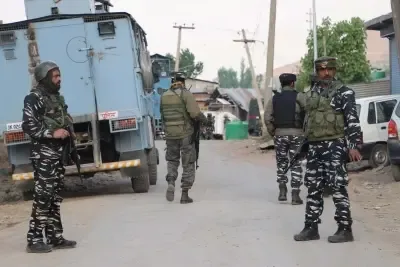
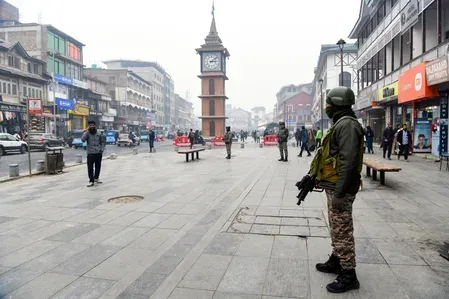
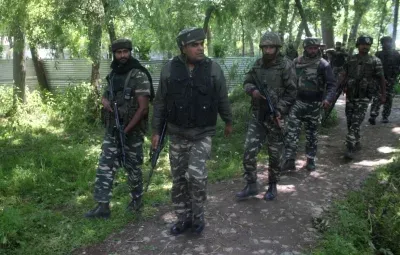
Separatism in the Valley had largely receded after the revocation of Article 370, but intelligence inputs suggest a concerted push to revive it is now underway. Security forces remain deployed across the Valley in counter-terror operations, even as the focus of the threat has shifted from infiltration to internal radicalisation and local network-building.
With proxy schools, merged terror outfits, and a revived funding chain in play, officials warn the battle for Jammu and Kashmir is entering a more complex and protracted phase.
Point of View
Slow-moving, and difficult to prosecute. India has been here before: the J&K administration's takeover of 200 Jamaat-affiliated schools was a reactive measure, not a preventive one. The merger of Al-Badr and Hizbul Mujahideen under a single logistics umbrella, with the Jamaat as the financial backbone, suggests the ISI has drawn lessons from the fragmented, easily disrupted cell structures of the past. What is missing from the public account is any indication of whether India's counter-radicalisation architecture — beyond school takeovers and NIA raids — is keeping pace with the sophistication of the threat.
NationPress
10 Oct 2026
Frequently Asked Questions
What is the ISI's current strategy in Jammu and Kashmir?
According to intelligence officials, the ISI is pursuing a multi-pronged strategy that includes activating banned Jamaat-e-Islami cadres to stoke separatism and raise funds, merging Al-Badr and Hizbul Mujahideen into a coordinated network, and planning proxy schools to radicalise Kashmiri youth from a young age. The strategy is designed to build a self-sustaining terror ecosystem that can operate with minimal cross-border direction.
Why is Jamaat-e-Islami banned in India?
Jamaat-e-Islami, Jammu and Kashmir, was first declared an Unlawful Association on 28 February 2019 for activities assessed to threaten the security, integrity, and sovereignty of India. The Government of India extended the ban by five years in 2024, with Home Minister Amit Shah citing the outfit's continued anti-national activities.
What are proxy schools and why are they dangerous?
Proxy schools are educational institutions run by front operators on behalf of a banned outfit — in this case, Jamaat-e-Islami — with the aim of indoctrinating children with radical ideology from a young age. Officials warn they are particularly dangerous because ideological conditioning instilled in minors is difficult to reverse, effectively creating a future pipeline of radicalised recruits.
What action has the government previously taken against Jamaat-affiliated schools?
The Jammu and Kashmir administration ordered the takeover of 200 schools affiliated with Jamaat-e-Islami and its associated wing, Falah-e-Aam Trust, placing them under government administrators to dismantle radical educational networks. The NIA has also recently conducted raids targeting the Jamaat's financial operations.
How has Operation Sindoor affected ISI's activities in Kashmir?
Officials say the ISI and the Pakistani military have significantly escalated their destabilisation efforts following Operation Sindoor, which reportedly caused considerable embarrassment to Pakistan. Intelligence agencies are now monitoring intensified joint activity between Jamaat-e-Islami, Hizbul Mujahideen, and Al-Badr in the Valley.