CM Revanth Reddy, Union Ministers Unlock Hyderabad Metro Phase-2
Synopsis
CM Revanth Reddy's two-day talks in New Delhi with Union Ministers Ashwini Vaishnaw, G. Kishan Reddy, and Manohar Lal Khattar have broken the deadlock on Hyderabad Metro Phase-1 takeover and Phase-2 expansion. SBICAPS has been appointed as financial consultant to study valuation, borrowing, and construction costs.
Key Takeaways
CM Revanth Reddy held two consecutive days of talks in New Delhi with Union Ministers Ashwini Vaishnaw , G.
Kishan Reddy , and Manohar Lal Khattar on the Hyderabad Metro deadlock.
All parties reached consensus on appointing a consultant to study Phase-1 valuation , takeover financing, Phase-2 expansion scope , and construction costs.
SBICAPS (SBI Capital Markets Limited) has been selected as the financial consultant for the comprehensive study.
Future decisions on both the Phase-1 takeover and Phase-2 construction will be guided by the SBICAPS report .
A Central Government officer and Telangana's MA&UD Special Secretary will serve as joint nodal coordinators during the study period.
The talks involved three Union Ministries — Railways , Housing and Urban Affairs , and Coal and Mines — reflecting the multi-departmental complexity of the metro project.
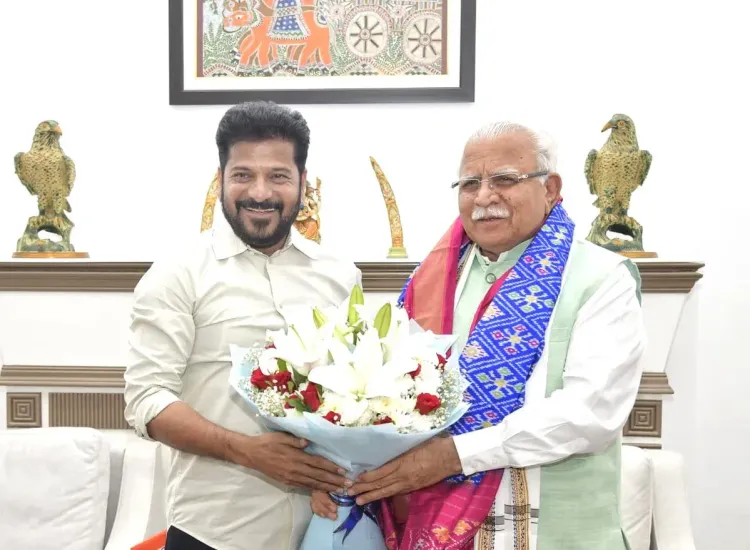
The Chief Minister's Office of Telangana announced on Tuesday, 23 June 2026 that two days of back-to-back talks in New Delhi between Chief Minister Revanth Reddy and key Union Ministers have yielded a breakthrough on the takeover of Hyderabad Metro Phase-1 and the long-pending Phase-2 expansion.
The CMO stated that discussions, described in Telugu as 'విజయవంతమయ్యాయి' ('have been successful'), cleared the roadblocks standing in the way of both the state government acquiring Phase-1 infrastructure and extending the network under Phase-2.
Context
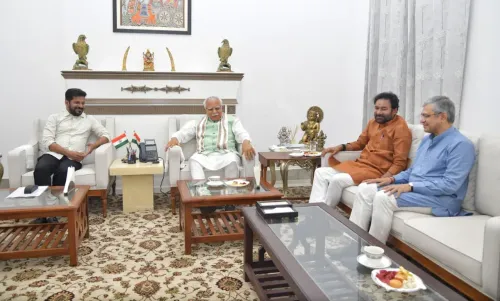
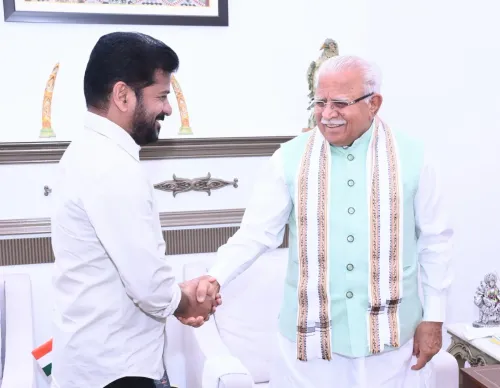
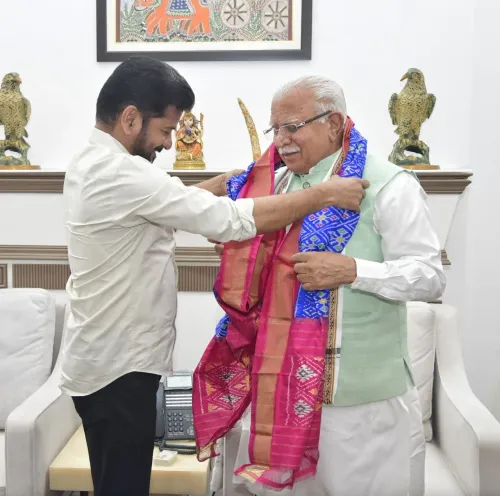
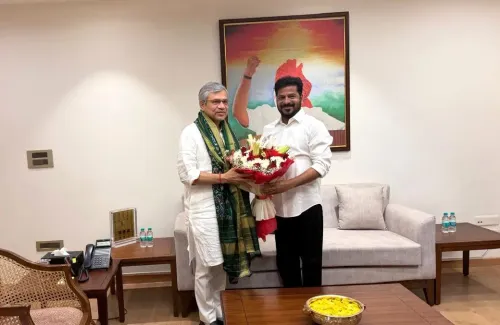
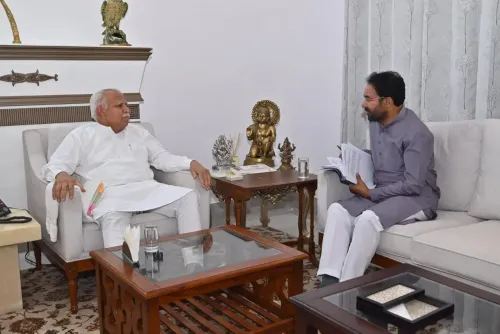
On Monday night, CM Revanth Reddy held extended talks with Union Railway Minister Ashwini Vaishnaw and Union Minister for Coal and Mines G. Kishan Reddy. The following morning, all three convened at the residence of Union Minister for Housing and Urban Affairs Manohar Lal Khattar for a joint meeting that produced concrete decisions.
The involvement of three cabinet-level ministries — Railways, Housing and Urban Affairs, and Coal and Mines — underscores the complexity of metro rail negotiations, which span valuation, debt structuring, land acquisition, and urban planning approvals simultaneously.
Policy Backdrop
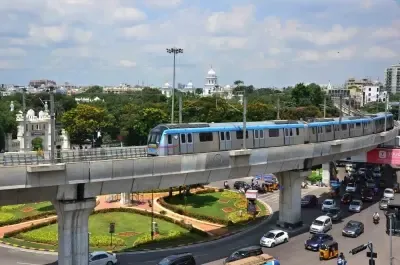
Hyderabad Metro Phase-1 was built under a public-private partnership model with L&T Metro Rail and became operational in stages from 2017. The Union government's Metro Rail Policy 2017 laid out frameworks for central assistance, state takeover options, and phased expansion, but translating policy into action has required sustained centre-state negotiation.
Across India, states including those operating metros in Bengaluru, Chennai, and Pune have navigated similar transitions — moving from pure PPP structures toward greater state ownership once Phase-1 networks mature. Telangana's current push mirrors this national pattern, with the state government seeking to consolidate control and unlock central funding for expansion corridors.
Key Decisions
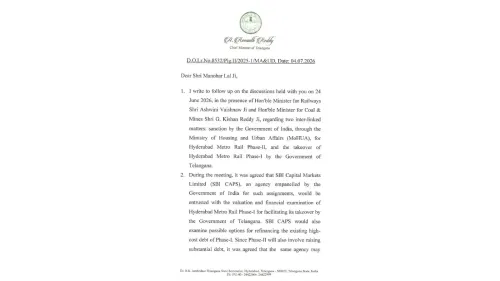
The joint meeting reached consensus on appointing a consultant to study Phase-1 valuation, the borrowing required for the takeover, selection of a lending institution, Phase-2 expansion scope, construction costs, and associated financing. The ministers and the Chief Minister agreed unanimously — 'ఏకాభిప్రాయానికి వచ్చారు' ('arrived at a consensus') — on this structured approach before committing public funds.
SBICAPS (SBI Capital Markets Limited) has been selected as the financial consultant. The agency will conduct a comprehensive study covering Phase-1 valuation, Phase-2 expansion parameters, and related financing options. Future action on both the takeover and the expansion will be guided by the SBICAPS report.
For coordination during the study period, the meeting decided that one officer from the Central Government and the Special Secretary of Telangana's Municipal Administration and Urban Development (MA&UD) Department will jointly oversee the process and ensure it moves forward without delay.
Stakeholders and Impact
Urban commuters across Hyderabad stand to benefit most directly: a successful takeover and Phase-2 build-out would extend metro connectivity to corridors currently underserved by mass rapid transit. The appointment of SBICAPS signals that both the state and Centre are moving from intent to institutional process.
The Telangana government, which has made urban mobility a political priority since CM Revanth Reddy took office in December 2023, can present the Delhi meetings as a tangible policy win. The presence of G. Kishan Reddy — a BJP leader from Telangana — in the talks also reflects a cross-party alignment on the project's importance to the city.
What's Next
SBICAPS will now begin its comprehensive study, with the two designated nodal officers — one from the Centre, one from Telangana's MA&UD department — coordinating to keep the process on track. The report's findings on valuation and funding mechanisms will determine the financial structure of both the Phase-1 takeover and Phase-2 construction.
Once the SBICAPS report is submitted, formal agreements, possible state budget provisions, and central sanction letters for Phase-2 corridors will be the next milestones to watch.
Point of View
Which has staked credibility on resolving the long-stalled metro takeover. By securing the participation of three Union Ministers — including a BJP leader from Telangana in G. Kishan Reddy — the Chief Minister has demonstrated an ability to build cross-party coalitions on infrastructure, a skill increasingly vital in India's cooperative federalism framework. The appointment of SBICAPS as consultant institutionalises the process and reduces the risk of further delays rooted in valuation disputes. However, the real test will come when the consultant's report forces hard decisions on debt allocation between the Centre and the state.
NationPress
22 Sept 2026
Frequently Asked Questions
What was decided in the Hyderabad Metro talks in Delhi in June 2026?
The meetings between CM Revanth Reddy and Union Ministers Ashwini Vaishnaw, G. Kishan Reddy, and Manohar Lal Khattar resulted in a consensus to appoint SBICAPS as financial consultant to study Phase-1 valuation, takeover financing, Phase-2 expansion costs, and associated borrowing before any formal agreements are signed.
What is SBICAPS and why was it chosen for the Hyderabad Metro study?
SBICAPS, or SBI Capital Markets Limited, is the investment banking and financial advisory arm of State Bank of India. It was selected by the Central and Telangana governments to conduct a comprehensive study covering Hyderabad Metro Phase-1 valuation, Phase-2 expansion parameters, and financing options.
What is the current status of Hyderabad Metro Phase-2?
Hyderabad Metro Phase-2 expansion is in the pre-construction planning stage. The June 2026 Delhi talks cleared procedural hurdles, and the SBICAPS report will determine the financial structure and timeline for the new corridors.
Who will coordinate between the Centre and Telangana during the SBICAPS study?
One officer nominated by the Central Government and the Special Secretary of Telangana's Municipal Administration and Urban Development (MA&UD) Department will jointly coordinate during the consultant's study period.
Why does Hyderabad Metro Phase-1 need a state takeover?
Hyderabad Metro Phase-1 was built under a public-private partnership with L&T Metro Rail. The Telangana government is seeking to acquire the Phase-1 infrastructure to consolidate state control, restructure debt, and create a unified framework for the Phase-2 expansion.