Revanth Reddy holds talks on Hyderabad Metro Phase-I takeover, Phase-II push
Synopsis
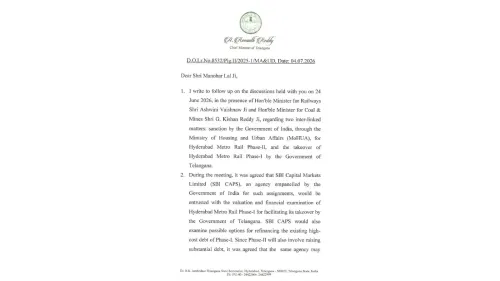
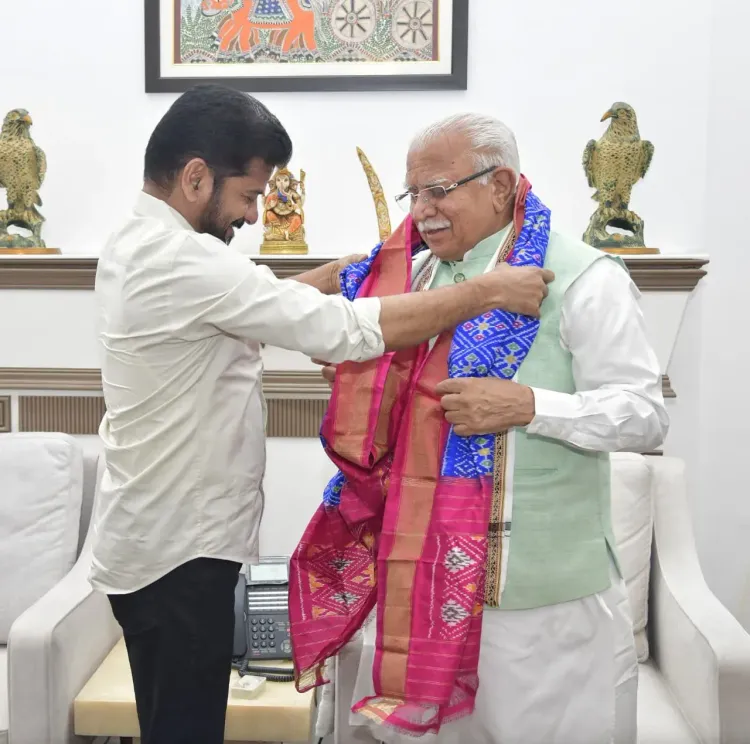
Telangana CM Revanth Reddy met Union Ministers Ashwini Vaishnaw, G. Kishan Reddy, and Manohar Lal Khattar on 23 June 2026 to clear obstacles in the Hyderabad Metro Phase-I state takeover and Phase-II expansion. SBICAPS has been appointed as consultant to guide valuation, debt-raising, and construction-cost decisions.
Key Takeaways
Revanth Reddy held talks with three Union ministers on 23 June 2026 on Hyderabad Metro Phase-I and Phase-II.
Discussions covered Phase-I valuation , debt-raising for the state takeover, lender selection, and Phase-II construction costs and financing.
SBICAPS (SBI Capital Markets Ltd) has been appointed as consultant to study all four dimensions.
Future action on both the Phase-I acquisition and the Phase-II rollout will be based on the SBICAPS report .
Hyderabad Metro Phase-I was built under a PPP model with L&T Metro Rail Hyderabad Ltd, sanctioned in 2008 and operational by 2020 .
The ministers involved represent Railways, Coal and Mines, and Housing and Urban Affairs — the key central departments for metro clearances.
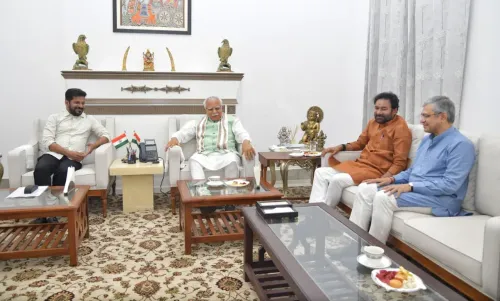
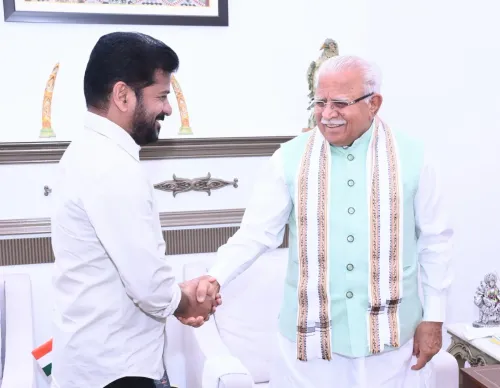
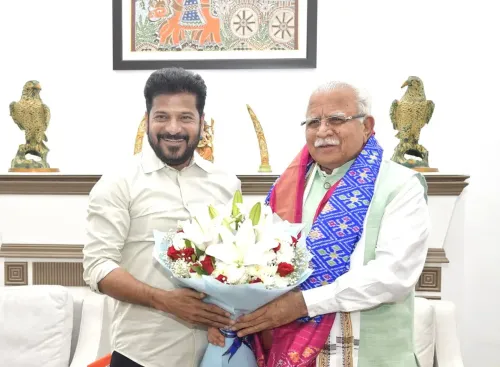
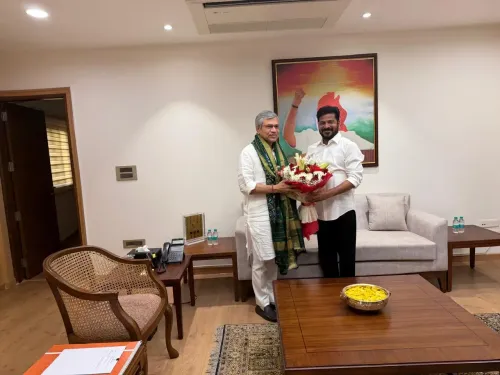
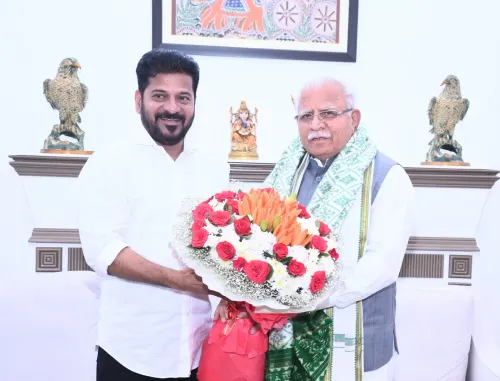
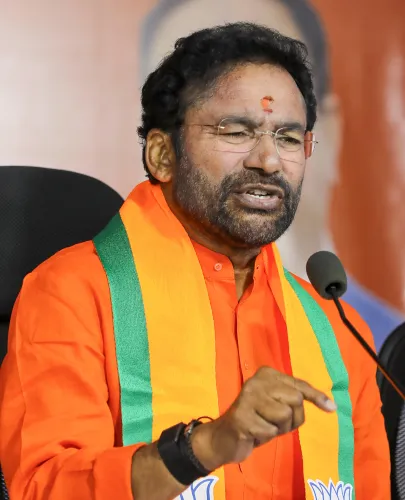
Telangana Chief Minister A. Revanth Reddy on Tuesday, 23 June 2026 held extensive discussions with three Union ministers on clearing hurdles blocking the state government's takeover of Hyderabad Metro Phase-I and accelerating the Phase-II expansion. The CM met Union Railway Minister Ashwini Vaishnaw, Union Coal and Mines Minister G. Kishan Reddy, and Union Housing and Urban Affairs Minister Manohar Lal Khattar to advance both the asset transfer and the next stage of the city's metro network.
Context
Revanth Reddy announced on X (formerly Twitter) that the wide-ranging talks covered four inter-linked issues: the valuation of Hyderabad Metro Phase-I, the debt-raising required to complete the takeover, the selection of a lending institution, and the financing and construction costs for Phase-II. In his post — originally written in Telugu — the CM stated, 'ఈ సందర్బంగా హైదరాబాద్ మెట్రో ఫేజ్-I వాల్యూయేషన్' ('In this context, the Hyderabad Metro Phase-I valuation...'), listing each agenda item methodically. The outcome of the meeting was a decision to appoint a consultant to study all these dimensions before any final action is taken.
The state government has selected SBICAPS (SBI Capital Markets Ltd) — the investment banking arm of State Bank of India — as the consultant. The CM confirmed that future action on both the Phase-I acquisition and the Phase-II rollout will be guided by the report that SBICAPS submits.
Policy Backdrop
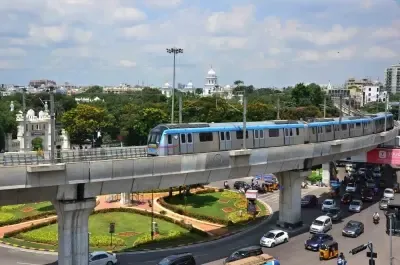
Hyderabad Metro Phase-I was sanctioned by the Government of India in 2008 under a public-private partnership model with L&T Metro Rail Hyderabad Ltd. The corridor became operational in stages between 2017 and 2020, making it one of India's largest PPP-built urban rail networks. Indian states have increasingly sought direct control over such assets to align metro operations with state-led urban planning, fare structures, and long-term mobility goals.
The involvement of the Ministry of Railways, the Ministry of Housing and Urban Affairs, and the Ministry of Coal and Mines reflects the multi-departmental clearance landscape that metro expansions typically navigate — spanning land acquisition, environmental approvals, underground utility corridors, and project financing. Manohar Lal Khattar's ministry is the nodal body for urban metro policy at the Centre, while Ashwini Vaishnaw's railways portfolio intersects with metro rail standards and connectivity. G. Kishan Reddy, who represents Telangana in the Lok Sabha, brings both local political weight and ministry-level leverage on land and sub-surface rights.
Stakeholders and Impact
The most direct beneficiaries of a smooth Phase-I transfer and Phase-II launch are the millions of daily commuters in Hyderabad, who currently depend on a network that has faced fare and operational pressures under its PPP structure. A state takeover could open the door to rationalised fares and tighter integration with Telangana's broader public transport grid. Debt-raising decisions will also affect the state's fiscal position, making the SBICAPS valuation and financing report a critical document for investors and rating agencies watching Telangana's infrastructure pipeline.
The appointment of SBICAPS signals an intent to follow a structured, bankable process rather than a politically driven timeline — an approach likely to reassure both the Centre and potential lenders. For L&T Metro Rail Hyderabad, the valuation exercise will determine the exit terms from one of India's most-watched urban PPP projects.
What's Next
The immediate milestone is the submission of the SBICAPS feasibility and financing report, which will define the valuation of Phase-I assets, the quantum of debt required, and the preferred lending structure for Phase-II. Once the report is in hand, the Telangana government and the Union ministries are expected to convene follow-up discussions to finalise the action plan. Any formal cabinet or board approvals — at the state or central level — will hinge on the consultant's findings, making the report's timeline the key variable to watch in the months ahead.
Point of View
Signalling that the Telangana government is building central buy-in before committing to a large balance-sheet move. Choosing SBICAPS — a State Bank subsidiary with deep government credibility — as the valuation consultant is a politically safe pick that reduces the risk of the deal being challenged on process grounds. The move fits a wider national pattern of Congress-governed states seeking to wrest back control of PPP metro assets, framing it as a pro-commuter, pro-integration stance ahead of urban local body cycles. The real test will be whether the SBICAPS report unlocks a financing structure that does not strain Telangana's already-watched fiscal deficit.
NationPress
22 Sept 2026
Frequently Asked Questions
What did Revanth Reddy discuss with Union ministers about Hyderabad Metro?
CM Revanth Reddy discussed four key issues: the valuation of Hyderabad Metro Phase-I, the debt required for the state to take it over, the choice of a lending institution, and the financing and construction costs for the Phase-II expansion.
Who is SBICAPS and why was it appointed for Hyderabad Metro?
SBICAPS, or SBI Capital Markets Ltd, is the investment banking subsidiary of State Bank of India. It was appointed as a consultant to study the Phase-I valuation, debt-raising options, and Phase-II financing requirements before the Telangana government takes any final decision.
What is the current status of Hyderabad Metro Phase-II expansion?
Phase-II is in the planning and clearance stage. Obstacles blocking the expansion are being addressed through discussions with central ministries, and a consultant's report from SBICAPS will determine the next steps on construction costs and funding.
Which Union ministers did Revanth Reddy meet regarding Hyderabad Metro?
He met Railway Minister Ashwini Vaishnaw, Coal and Mines Minister G. Kishan Reddy, and Housing and Urban Affairs Minister Manohar Lal Khattar.
When was Hyderabad Metro Phase-I built and who operates it?
Hyderabad Metro Phase-I was sanctioned in 2008 under a public-private partnership with L&T Metro Rail Hyderabad Ltd and became fully operational between 2017 and 2020.