IAF AN-32 crash at Jorhat kills five, including Squadron Leader and Flight Lieutenant
Synopsis
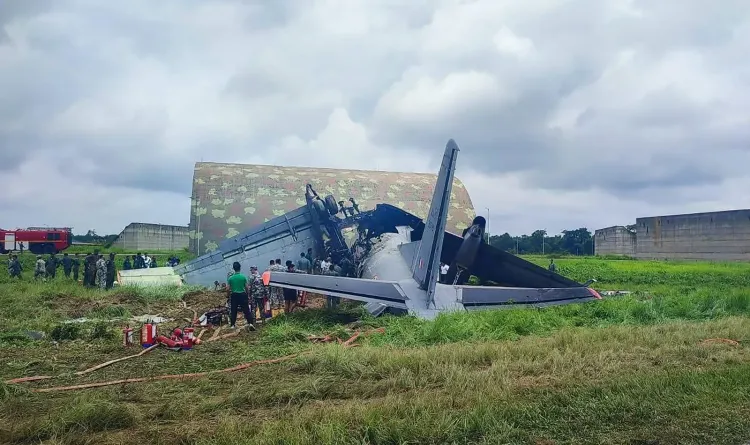
Five IAF personnel — including a Squadron Leader and a Flight Lieutenant — died when an AN-32 transport aircraft caught fire after landing at Jorhat Air Force Station in Assam on 13 June. The crash is among the most serious IAF aviation accidents in recent years and comes years after a 2019 AN-32 disappearance over Arunachal Pradesh that claimed 13 lives and was never fully resolved.
Key Takeaways
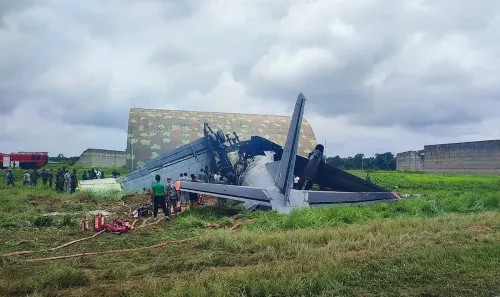
An IAF AN-32 transport aircraft crashed at Jorhat Air Force Station, Assam on 13 June at approximately 10 am .
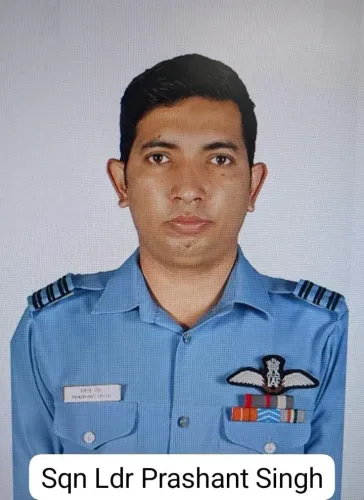
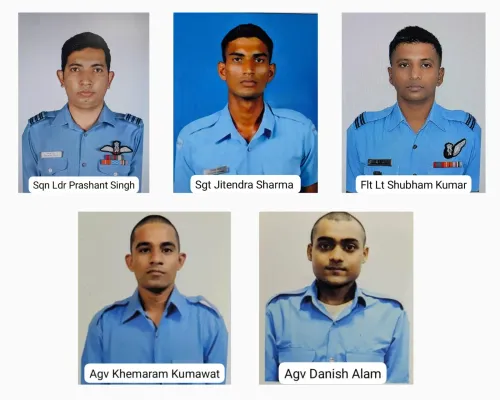
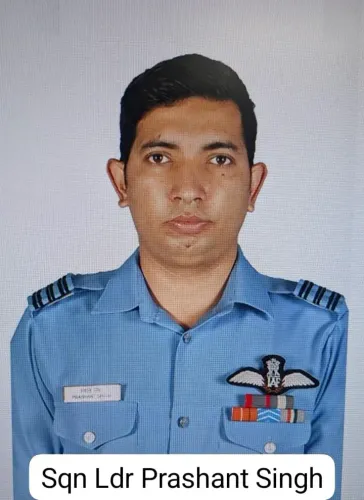
Five IAF personnel were killed: Squadron Leader Prashant Singh , Flight Lieutenant Shubham Kumar , Sergeant Jitendra Sharma , Agniveervayu Khemaram Kumawat , and Agniveervayu Danish Alam .
The aircraft caught fire after landing during what the IAF described as a routine sortie .
A formal Court of Inquiry is expected to be instituted; the cause has not yet been officially determined.
The AN-32 fleet has previously been involved in a serious incident — a 2019 disappearance over Arunachal Pradesh that killed 13 personnel.
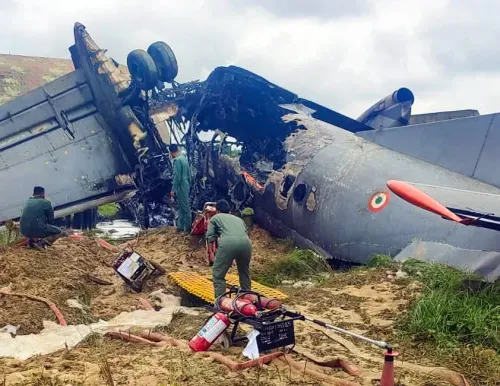
Five Indian Air Force (IAF) personnel were killed on Saturday, 13 June when an AN-32 transport aircraft met with an accident at Jorhat Air Force Station in Assam, the IAF confirmed in an official statement. The crash, which occurred during what the force described as a routine sortie, triggered an immediate emergency response and has been termed one of the most serious IAF aviation accidents in recent years.
The Personnel Who Lost Their Lives
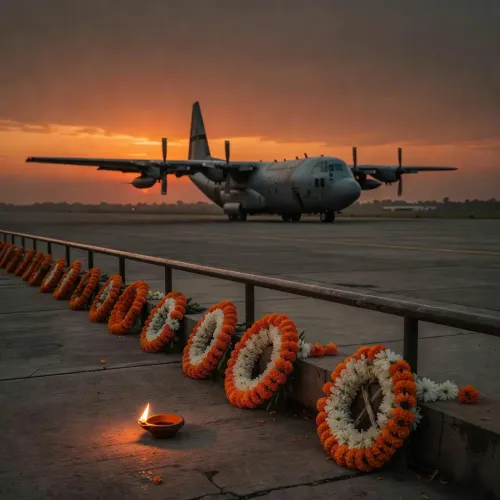
The IAF officially identified the five deceased as Squadron Leader Prashant Singh, Flight Lieutenant Shubham Kumar, Sergeant Jitendra Sharma, Agniveervayu Khemaram Kumawat, and Agniveervayu Danish Alam. In its statement, the IAF said the personnel “made the supreme sacrifice in the line of duty.” The force extended its “deepest condolences to the bereaved families” and affirmed it “stands firmly with them in this hour of grief.”
How the Accident Unfolded
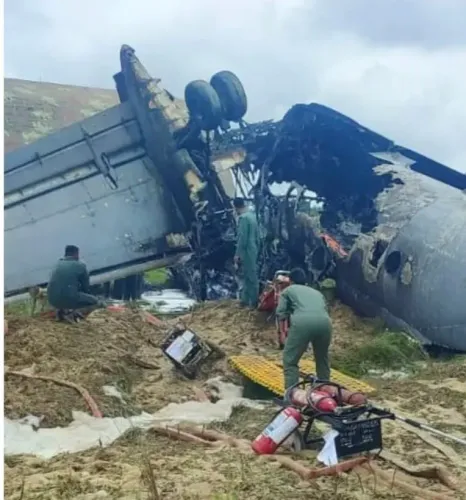
The accident took place at approximately 10 am after the AN-32 aircraft landed at Jorhat airbase. According to officials, the aircraft subsequently caught fire, prompting emergency response teams to rush to the site. Crash site management and preliminary inquiries were set in motion shortly after. The IAF appealed to the public to refrain from speculation pending the outcome of the initial investigation.
Investigation and Inquiry
Defence officials confirmed that technical teams have begun examining the wreckage to determine the cause of the accident. A formal Court of Inquiry is expected to be instituted by the Air Force. No cause has been officially attributed at this stage, and the IAF has urged restraint until initial findings are available.
Significance of the AN-32 in IAF Operations
The AN-32 is a twin-engine tactical transport aircraft that has been a cornerstone of military logistics and personnel movement, particularly in the Northeast and other remote operational sectors where terrain and weather conditions pose significant challenges. The platform has served the IAF for decades and remains critical to supply chains in high-altitude and difficult-access regions. Notably, this is not the first time the AN-32 fleet has been involved in a serious incident — a 2019 AN-32 disappearance over Arunachal Pradesh claimed the lives of 13 personnel and was never fully resolved.
What Happens Next
The IAF is expected to formally constitute a Court of Inquiry in the coming days to establish the sequence of events leading to the crash. The findings could have implications for the operational status of the AN-32 fleet and broader fleet safety reviews. The defence establishment, meanwhile, has been cast into mourning, with tributes pouring in for the five personnel who gave their lives in service.
Point of View
But the harder question is whether fleet modernisation timelines match the pace at which the Northeast’s logistics demands are growing. Past inquiries into AN-32 incidents have not always produced public accountability; this one will be watched closely.
NationPress
13 Sept 2026
Frequently Asked Questions
What happened in the IAF AN-32 crash at Jorhat?
An Indian Air Force AN-32 transport aircraft met with an accident after landing at Jorhat Air Force Station in Assam on 13 June, subsequently catching fire. Five IAF personnel were killed in the crash, which occurred during a routine sortie at around 10 am.
Who were the five IAF personnel killed in the Jorhat crash?
The five personnel killed were Squadron Leader Prashant Singh, Flight Lieutenant Shubham Kumar, Sergeant Jitendra Sharma, Agniveervayu Khemaram Kumawat, and Agniveervayu Danish Alam. The IAF said they ‘made the supreme sacrifice in the line of duty.’
What is the AN-32 aircraft and why is it significant?
The AN-32 is a Soviet-origin twin-engine tactical transport aircraft that has served as a backbone of IAF logistics, especially in the Northeast and high-altitude sectors. It has been in IAF service for decades and is critical for supply and personnel movement in remote operational areas.
What investigation is underway after the Jorhat IAF crash?
Technical teams have begun examining the wreckage to determine the cause of the accident. A formal Court of Inquiry is expected to be instituted by the IAF. The force has appealed to the public to avoid speculation until initial findings are released.
Has the AN-32 been involved in previous accidents?
Yes. In 2019, an IAF AN-32 disappeared over Arunachal Pradesh, killing all 13 personnel on board. That incident was never fully resolved. The Jorhat crash is considered one of the most serious IAF aviation accidents in recent years.