Chirag Paswan mourns five IAF personnel killed in Jorhat An-32 crash
Synopsis
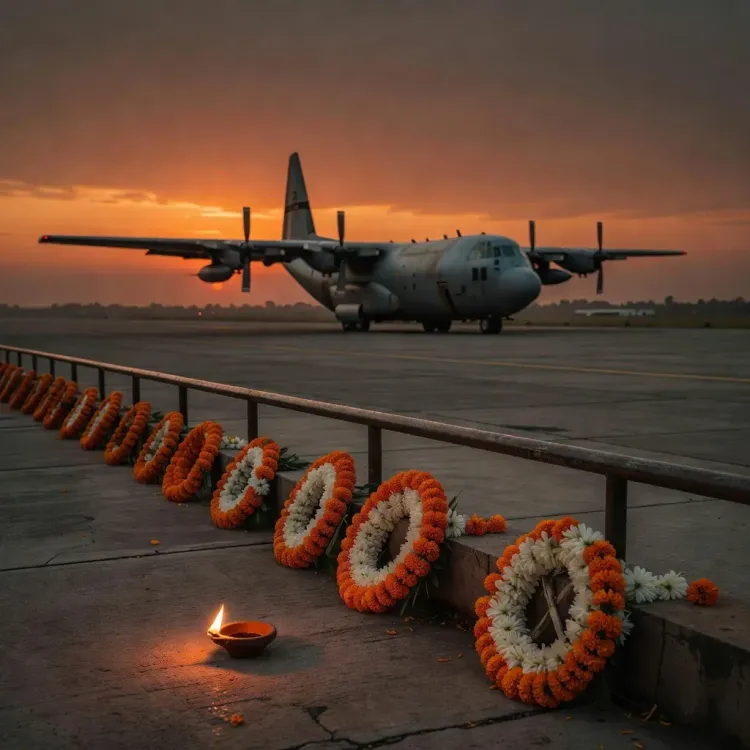
Union Food Processing Minister Chirag Paswan paid tribute to five IAF personnel — Squadron Leader Prashant Singh, Flight Lieutenant Shubham Kumar, Sergeant Jitendra Sharma, and two Agniveer Vayu recruits — killed in an An-32 transport aircraft crash near Jorhat, Assam, on 13 June 2026.
Key Takeaways
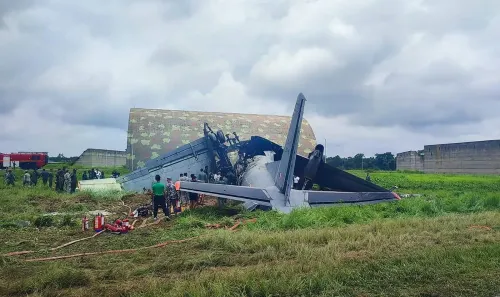
Five IAF personnel died in an An-32 transport aircraft crash near Jorhat, Assam on 13 June 2026 .
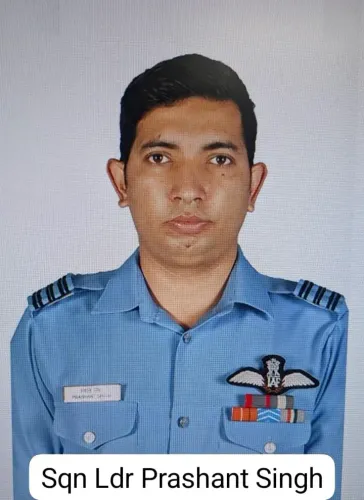
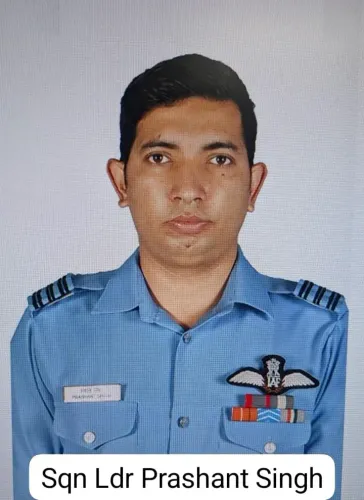
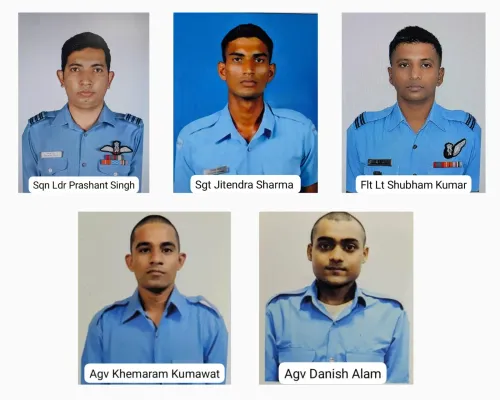
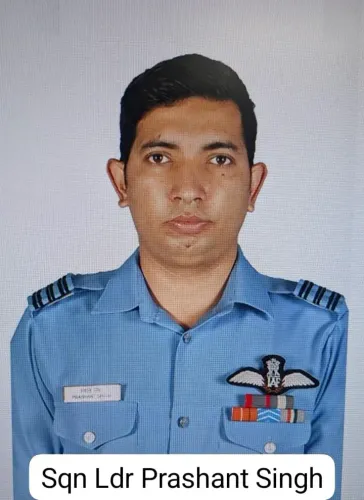
The deceased are Squadron Leader Prashant Singh , Flight Lieutenant Shubham Kumar , Sergeant Jitendra Sharma , Agniveer Vayu Khemaram Kumawat , and Agniveer Vayu Danish Alam .
Two of the five were serving under the Agnipath scheme , launched in June 2022 , marking a significant moment for the programme.
Union Minister Chirag Paswan issued a condolence message in Hindi, calling the deaths 'the supreme sacrifice on the path of national service.' A Court of Inquiry by the Indian Air Force is expected to determine the cause of the crash.
The incident is likely to renew scrutiny of An-32 fleet safety and Agniveer death-in-service compensation provisions.
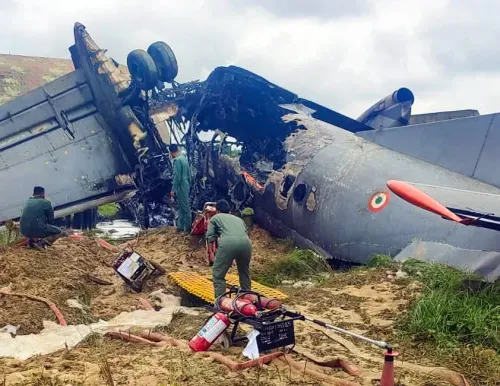
Union Food Processing Minister Chirag Paswan on Saturday, 13 June 2026, expressed deep grief over the deaths of five Indian Air Force personnel in the crash of an An-32 transport aircraft near Jorhat, Assam, calling the news 'extremely sorrowful and heartbreaking.'
The tribute
In a post in Hindi, Paswan named each of the five personnel who lost their lives: Squadron Leader Prashant Singh, Flight Lieutenant Shubham Kumar, Sergeant Jitendra Sharma, Agniveer Vayu Khemaram Kumawat, and Agniveer Vayu Danish Alam. He wrote that they had 'made the supreme sacrifice on the path of national service' — राष्ट्रसेवा के पथ पर सर्वोच्च बलिदान दिया है.
The minister said the nation would 'always reverently remember their indomitable courage, sense of duty, and dedication,' and prayed for strength for the bereaved families to bear 'this immense grief.'
Context
Jorhat in Assam is home to an Indian Air Force station that has long served as a key base for transport and logistics operations in the northeastern region. The An-32, a Soviet-era twin-turboprop transport aircraft, has been a workhorse of the IAF's fleet for decades, used extensively for supply runs and troop movement in difficult terrain.
The crash claimed the lives of personnel from two distinct service categories — regular commissioned and non-commissioned officers, and two recruits serving under the Agnipath scheme, the landmark 2022 defence recruitment reform that introduced short-term, four-year Agniveer contracts across the Army, Navy, and Air Force.
Policy backdrop
The Agnipath scheme, launched in June 2022, was designed to modernise the age profile of the armed forces and control the pension bill, but drew significant political debate at the time of its rollout. The deaths of Agniveer Vayu Khemaram Kumawat and Agniveer Vayu Danish Alam in active service mark a sobering moment for the programme, drawing fresh attention to the risks borne by Agniveers alongside regular service personnel.
The IAF's An-32 fleet has been involved in multiple accidents over the years, with the aircraft's age raising persistent questions about fleet modernisation. The Ministry of Defence typically orders a Court of Inquiry after any military aviation accident to establish the cause.
Stakeholders and impact
The families of the five deceased personnel now await official communication from the Indian Air Force on compensation, ex-gratia payments, and other entitlements. For Agniveer recruits, the compensation framework differs from that applicable to regular service personnel — a distinction that advocacy groups have flagged since the scheme's inception.
Condolences have poured in from political leaders across parties, reflecting a broad national consensus on honouring military sacrifice. Paswan's tribute, issued in Hindi, is directed at a wide domestic audience and underscores the cross-party nature of such mourning.
What's next
A Court of Inquiry by the Indian Air Force is expected to be convened to determine the cause of the Jorhat crash, with findings likely to inform parliamentary questions on An-32 fleet safety and any accelerated retirement of the ageing aircraft. The incident may also renew scrutiny of the benefits and risk-coverage provisions available to Agniveer recruits who die in the line of duty, ahead of the first cohort of Agniveers completing their four-year terms.
Frequently Asked Questions
What happened to the Indian Air Force An-32 aircraft near Jorhat?
An Indian Air Force An-32 transport aircraft crashed near Jorhat, Assam, on 13 June 2026, killing five IAF personnel on board. A Court of Inquiry is expected to be convened to determine the cause of the accident.
Who were the five IAF personnel killed in the Jorhat An-32 crash?
The five personnel who died are Squadron Leader Prashant Singh, Flight Lieutenant Shubham Kumar, Sergeant Jitendra Sharma, Agniveer Vayu Khemaram Kumawat, and Agniveer Vayu Danish Alam.
What is the Agniveer Vayu and how does it relate to the Agnipath scheme?
Agniveer Vayu is the designation for recruits who join the Indian Air Force under the Agnipath scheme, launched in June 2022. The scheme offers four-year short-term contracts in the armed forces. Two of the five personnel killed in the Jorhat crash were Agniveer Vayu recruits.
What did Chirag Paswan say about the IAF crash?
Union Food Processing Minister Chirag Paswan called the news 'extremely sorrowful and heartbreaking' in a Hindi post on X. He named all five deceased personnel, said they had made the supreme sacrifice in national service, and prayed for strength for their bereaved families.
How old is the IAF's An-32 fleet and is it safe?
The An-32 is a Soviet-era twin-turboprop transport aircraft that has been in IAF service for several decades. The fleet has been involved in multiple accidents over the years, prompting questions about its airworthiness and the pace of inducting newer transport aircraft. The Ministry of Defence orders a Court of Inquiry after each accident to establish the cause.