Rijiju mourns 5 IAF personnel killed in An-32 crash at Jorhat
Synopsis
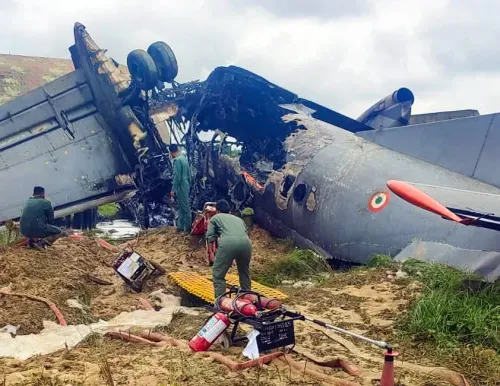
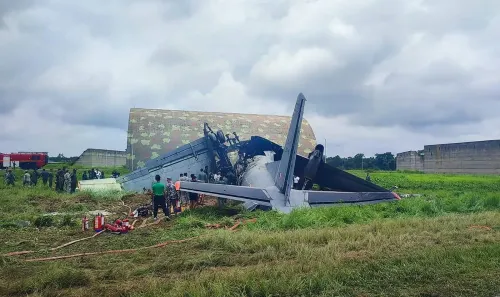
Union Minister Kiren Rijiju mourned five Indian Air Force personnel — including two Agniveervayu recruits — killed in an An-32 transport aircraft crash at Jorhat, Assam, on June 13, 2026, calling their sacrifice an act of supreme devotion to the nation.
Key Takeaways
Five IAF personnel were killed in an An-32 aircraft accident at Jorhat, Assam on June 13, 2026 .
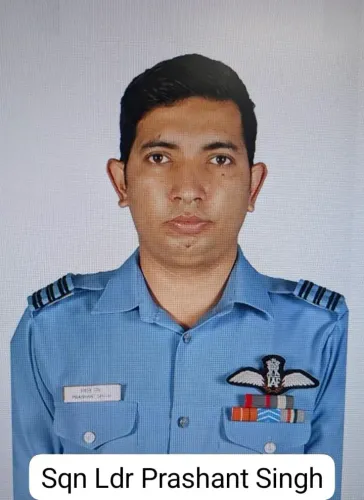
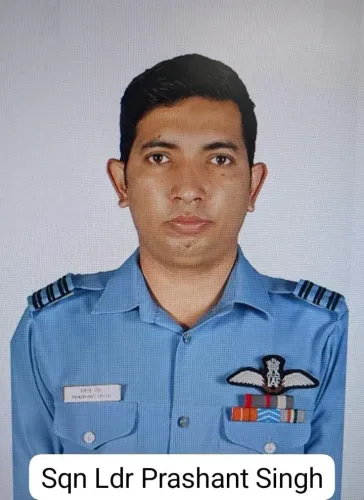
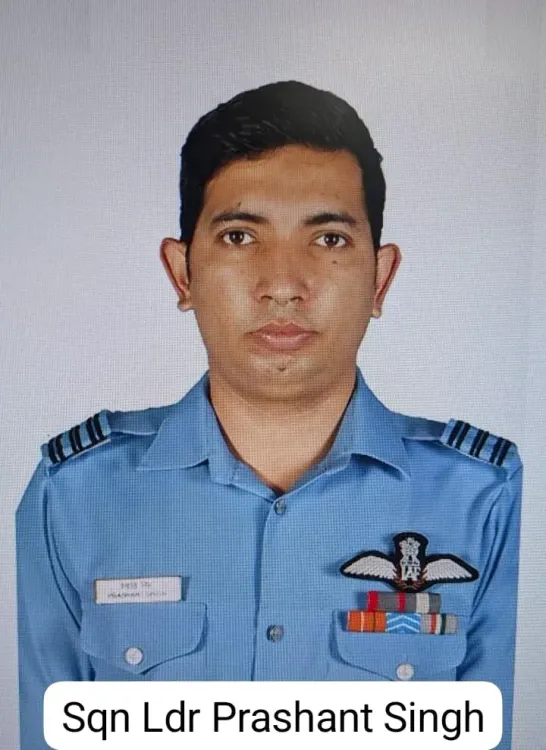
The deceased are Sqn Ldr Prashant Singh , Flt Lt Shubham Kumar , Sgt Jitendra Sharma , Agniveervayu Khemaram Kumawat , and Agniveervayu Danish Alam .
Two of the five were Agniveervayu recruits inducted under the Agnipath scheme launched in June 2022.
The An-32 is an ageing Soviet-era turboprop with a history of incidents in the IAF's Northeast operations.
Union Minister Kiren Rijiju offered condolences and paid tribute to the fallen on social media.
A Court of Inquiry is expected to investigate the cause of the crash.
Union Parliamentary Affairs Minister Kiren Rijiju on Saturday, June 13, 2026, expressed grief over the deaths of five Indian Air Force personnel in an An-32 transport aircraft accident at Jorhat, Assam, naming each of the fallen and offering condolences to their families.
Context
The five personnel killed in the crash were Squadron Leader Prashant Singh, Flight Lieutenant Shubham Kumar, Sergeant Jitendra Sharma, Agniveervayu Khemaram Kumawat, and Agniveervayu Danish Alam. Rijiju described them as having 'served the nation with honour and made the ultimate sacrifice in the line of duty,' and said their 'bravery and devotion to the nation will never be forgotten.'
The accident occurred at Jorhat, home to a key Indian Air Force base in Assam that supports transport and surveillance operations across the Northeast. The base plays a critical logistical role in one of India's most operationally demanding regions.
Policy Backdrop
The presence of two Agniveervayu personnel among the casualties is significant. Agniveervayu is the Indian Air Force's entry-level recruit category created under the Agnipath scheme, launched in June 2022, which restructures military induction across the Army, Navy, and Air Force with four-year short-service terms. Their inclusion in an operational flying unit's crew list reflects the scheme's integration into frontline IAF functions.
The An-32 is a Soviet-era twin-engine turboprop that has served as a workhorse for IAF logistics, particularly in high-altitude and difficult terrain across the Northeast and Himalayan sectors. The Indian Air Force has experienced multiple An-32 losses over the past two decades, with ageing airframes, maintenance demands, and challenging weather conditions in the region cited as recurring concerns.
Stakeholders and Impact
The bereaved families of all five personnel are the immediate stakeholders, with the government expected to extend ex-gratia support and state honours in keeping with established practice for service-related fatalities. The deaths span three service ranks — commissioned officers, a non-commissioned officer, and Agniveervayu recruits — underlining the cross-rank exposure to operational risk.
The accident also draws attention to the broader community of IAF families stationed at forward bases in the Northeast, where missions are conducted under some of India's most demanding flying conditions. Defence welfare organisations and veterans' groups are among those likely to raise questions about crew safety protocols and fleet readiness.
What's Next
The Indian Air Force is expected to convene a Court of Inquiry to establish the cause of the accident, a standard procedure following any fatal air crash involving military assets. The findings, once released, may inform decisions on the operational status of the remaining An-32 fleet and maintenance schedules.
With the monsoon session of Parliament approaching, the crash could prompt questions in both Houses on IAF fleet safety, the pace of aircraft modernisation, and the welfare of Agniveervayu personnel deployed in operational roles. Rijiju, as Parliamentary Affairs Minister, will be central to managing the legislative calendar during which such scrutiny is likely to arise.
Point of View
A region where weather and terrain make every sortie operationally demanding. The inclusion of two Agniveervayu personnel among the dead will intensify scrutiny of the Agnipath scheme's practice of deploying short-service recruits in active flying roles — a debate that is likely to surface in Parliament. Rijiju's public tribute, naming each servicemember individually, signals the government's intent to frame the losses as honourable sacrifice rather than systemic failure. The Court of Inquiry's findings will determine whether this narrative holds or gives way to harder questions about fleet modernisation timelines.
NationPress
20 Sept 2026
Frequently Asked Questions
What happened in the IAF An-32 crash at Jorhat?
An Indian Air Force An-32 transport aircraft crashed at or near the Jorhat air base in Assam on June 13, 2026, killing five personnel on board.
Who were the five IAF personnel killed in the Jorhat crash?
The five personnel killed were Squadron Leader Prashant Singh, Flight Lieutenant Shubham Kumar, Sergeant Jitendra Sharma, Agniveervayu Khemaram Kumawat, and Agniveervayu Danish Alam.
What is Agniveervayu and why is it significant in this crash?
Agniveervayu is the entry-level recruit category in the Indian Air Force under the Agnipath scheme, introduced in June 2022. Two of the five personnel killed were Agniveervayu recruits, highlighting their deployment in operational flying roles.
What is the An-32 aircraft used by the Indian Air Force?
The An-32 is a Soviet-era twin-engine turboprop transport aircraft used extensively by the IAF for logistics in difficult terrain, particularly in the Northeast and Himalayan regions. It has been involved in several accidents over the past two decades.
What will happen after the IAF An-32 Jorhat accident?
The Indian Air Force is expected to convene a Court of Inquiry to determine the cause of the crash. Parliamentary questions on IAF fleet safety and Agniveervayu welfare are also anticipated in the upcoming monsoon session.