Was there extensive illegal mining during the Congress era? Bhupender Yadav weighs in on the Aravalli controversy
Synopsis
In a striking revelation, Union Minister Bhupender Yadav asserts that massive illegal mining occurred in the Aravallis during the Congress era. With the Supreme Court now involved, the government pledges to implement sustainable practices for ecological preservation. Discover the implications of this political controversy and the future of the Aravalli ecosystem.
Key Takeaways
Illegal mining in the Aravallis surged during the Congress era.
Current government aims for sustainable practices in ecological protection.
Supreme Court's involvement is pivotal for regulatory measures.
ICFRE tasked with creating a management plan to curb illegal activities.
Political tensions arise amid differing views on environmental policies.
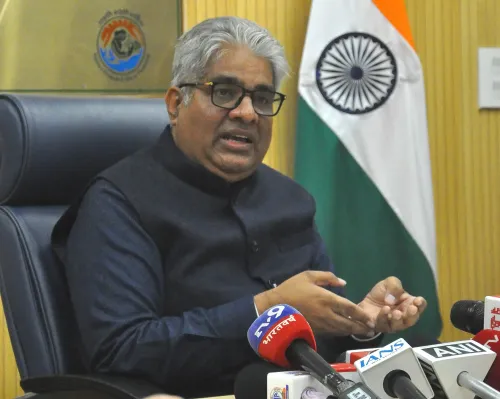
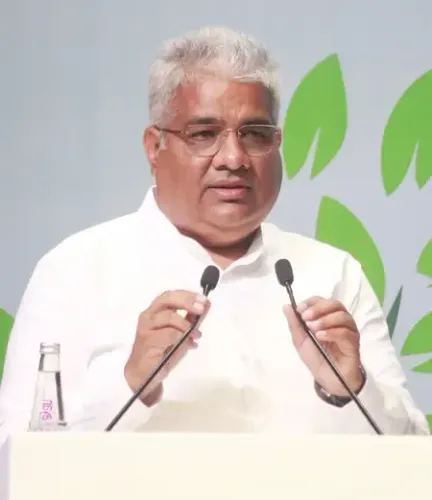
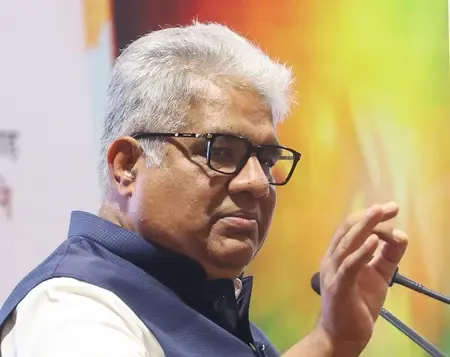
New Delhi, Dec 23 (NationPress) Union Minister for Environment, Forests, and Climate Change, Bhupender Yadav, stated on Tuesday that there was significant illegal mining in the Aravalli range during the tenure of the Congress party, leading citizens and environmental organizations to seek legal redress. He emphasized that the current administration is dedicated to safeguarding the delicate ecosystem through scientific and sustainable practices.
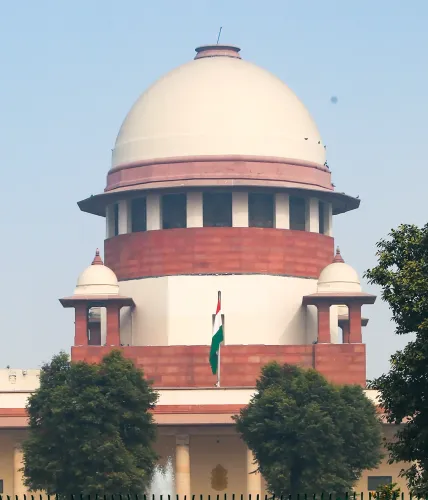
In an exclusive interview with IANS, while addressing inquiries regarding mining activities in the Aravallis under previous Congress regimes, Minister Yadav remarked, “There was substantial illegal mining, prompting public recourse to the courts. This petition originates from that timeframe. Now, following the Supreme Court’s ruling, eco-friendly, limited, and scientifically-based measures will be enforced to protect the Aravallis.”
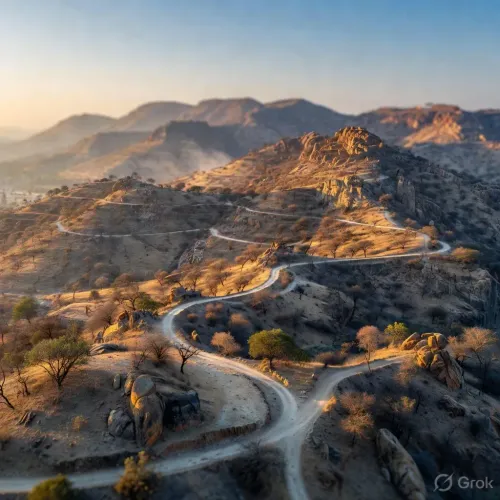
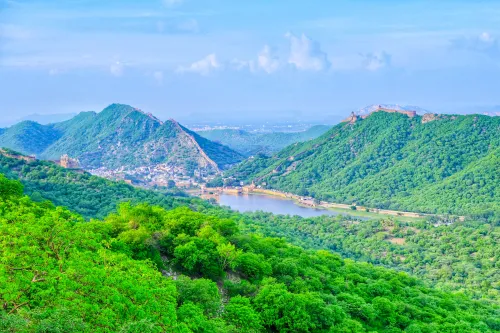
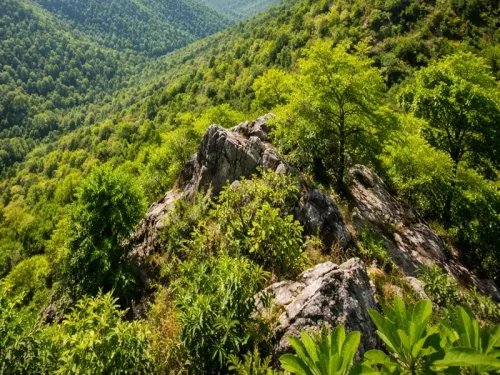
The minister highlighted that the Supreme Court’s involvement was essential due to rampant and unlawful mining operations that inflicted considerable ecological harm on the Aravalli hills, recognized as one of the most ancient mountain ranges globally and a vital ecological barrier for northern India.
Yadav reiterated the government’s unwavering commitment to preserving the Aravallis, noting that significant actions have been initiated in compliance with the apex court’s directives. “The government is entirely devoted to the protection of the Aravallis. All essential measures will be enacted to safeguard them. The Supreme Court has issued its judgment,” he affirmed.
He elaborated that the court has provided a specific definition of the Aravalli range and Aravalli hills for mining-related activities, primarily aimed at halting illegal mining. “The foremost challenge in defining mining is to cease illegal activities. Until a scientific management plan is developed, no new mining will be allowed,” Yadav stated.
The minister also noted that the responsibility for creating this extensive management plan has been assigned to the Indian Council of Forestry Research and Education (ICFRE). “Thus, the government is fully engaged, and we are actively participating in this initiative,” he added.
Citing the Supreme Court’s observations from 2018, Yadav pointed out that the judiciary had already recognized the scale of destruction caused by mining. In that year, the Supreme Court noted that 31 hills had disappeared entirely due to mining. “This is precisely why a management plan will be formulated for each district,” he stated, emphasizing that future decisions will be made with ecological sensitivity and scientific evaluation.
The minister's comments come amid intense political backlash regarding the Centre’s approach to the Aravallis.
Former Rajasthan Chief Minister Ashok Gehlot previously launched a vehement critique of the Central government, accusing it of orchestrating a “well-planned conspiracy” to undermine environmental protections and promote mining in the ecologically vulnerable Aravalli range.
Gehlot claimed that the initiative to redefine the Aravallis using a “100-meter” criterion was part of a broader agenda. “This is part of a larger scheme to capture institutions and hand over the Aravallis to the mining mafia,” he alleged.
In contrast, the Centre has dismissed these accusations, asserting that the Supreme Court’s directives are intended to combat illegal mining, promote sustainable development, and protect the Aravallis through a transparent, scientific, and legally valid framework.
Point of View
It is crucial to view the developments surrounding the Aravalli controversy through a lens of balanced scrutiny. While the government asserts its commitment to environmental protection, the accusations from political opponents raise questions about transparency and accountability in mining operations. Ongoing dialogue and public awareness remain essential to ensure that ecological integrity is prioritized.
NationPress
11 Oct 2026
Frequently Asked Questions
What illegal activities occurred in the Aravalli range during the Congress period?
Union Minister Bhupender Yadav indicated that there was substantial illegal mining in the Aravalli range during the Congress tenure, prompting legal actions from citizens and environmental groups.
What measures is the current government taking to protect the Aravallis?
The government is committed to implementing sustainable, scientific measures to safeguard the Aravalli ecosystem, following the Supreme Court's directives.
Why did the Supreme Court get involved in the Aravalli mining issue?
The Supreme Court intervened due to rampant illegal mining that caused significant environmental damage to the Aravalli hills, necessitating protective measures.
What is the role of the Indian Council of Forestry Research and Education (ICFRE)?
The ICFRE has been tasked with developing a comprehensive management plan for mining in the Aravalli region to prevent illegal activities.
What are the political reactions to the government's approach to the Aravallis?
Former Rajasthan Chief Minister Ashok Gehlot criticized the Central government, alleging a conspiracy to weaken environmental safeguards and facilitate mining.