India-Africa trade hits $93.69 billion in 2025–26, up 14.39%
Synopsis
India-Africa trade crossed $93.69 billion in 2025–26 — a 14.39% jump — and Commerce Minister Piyush Goyal is already pushing for the next leap: away from raw materials and into high-value manufacturing, critical minerals, and digital infrastructure. With AfCFTA's $3.4 trillion market meeting India's $4 trillion economy, the strategic arithmetic is compelling.
Key Takeaways
India-Africa bilateral trade reached $93.69 billion in 2025–26 , up 14.39% year-on-year.
India's exports to Africa stood at $45.42 billion ; imports were $48.27 billion .
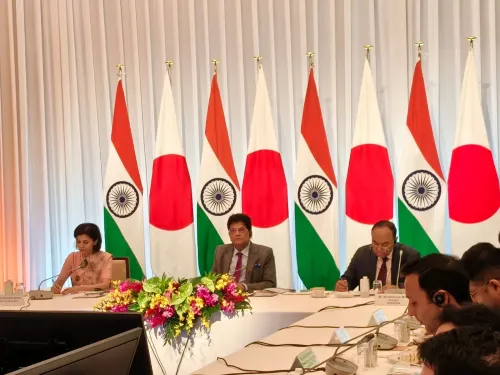
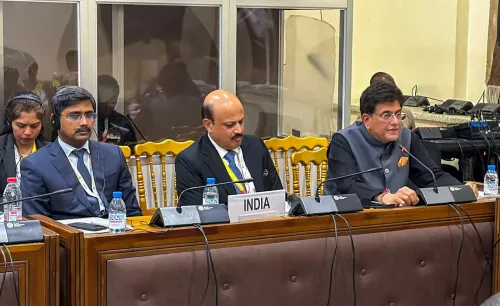
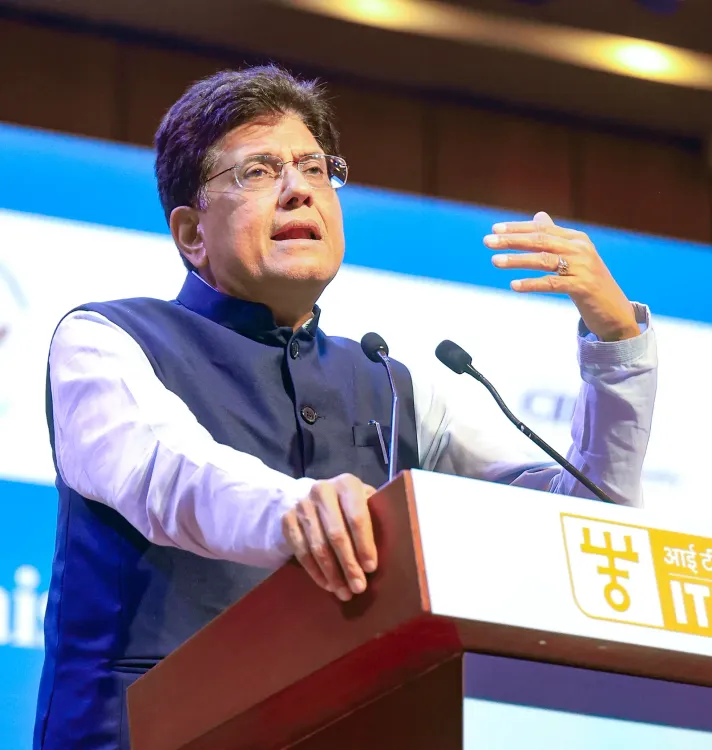
Commerce Minister Piyush Goyal addressed the curtain-raiser for the India-Africa Business Dialogue (IABD) and Exhibition on 15 May 2025 .
The African Continental Free Trade Area (AfCFTA) is valued at nearly $3.4 trillion ; India's economy is expanding at $4 trillion .
Priority sectors include critical minerals , renewable energy , digital public infrastructure , healthcare , and defence production .
Nearly two-thirds of the combined India-Africa population is under 35 , flagged as a key driver for future cooperation.
India-Africa bilateral trade surged to $93.69 billion in 2025–26, marking a 14.39% rise over the previous year, according to government data released on 15 May 2025. The milestone underscores a deepening economic relationship between the world's most populous nation and the continent that hosts six of the ten fastest-growing economies globally.
Trade Breakdown
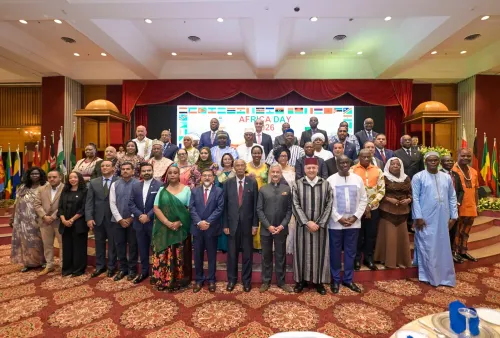
India's exports to Africa stood at $45.42 billion, while imports reached $48.27 billion during the same period, leaving a modest trade deficit on the Indian side. The figures were disclosed at a curtain-raiser event for the forthcoming India-Africa Business Dialogue (IABD) and Exhibition, which is being positioned as a flagship platform for bilateral economic engagement.
What Commerce Minister Goyal Said
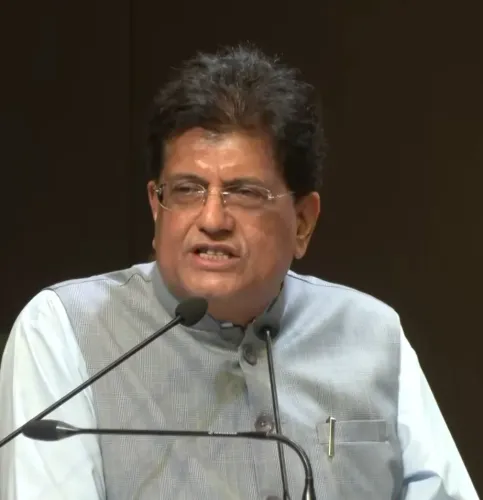
Commerce Minister Piyush Goyal addressed the event, arguing that India and Africa together can shape a 'more inclusive, resilient, and innovation-driven future for the Global South.' He called for aligning standards, customs procedures, and business practices to enable faster and smarter growth for businesses on both sides. Goyal stressed that the next phase of the partnership must move beyond traditional raw material trade towards higher-value products, integrated supply chains, local manufacturing, and technology-driven cooperation.
The AfCFTA-India Opportunity
Goyal highlighted the combined economic weight of the two blocs: the African Continental Free Trade Area (AfCFTA), valued at nearly $3.4 trillion, alongside India's rapidly expanding $4 trillion economy, presents what he described as an immense opportunity to diversify supply chains and build resilient partnerships. This comes amid a broader global push to reduce dependence on single-source supply chains — a trend accelerated by post-pandemic disruptions and geopolitical realignments.
Key Sectors and Youth Dividend
The minister identified agriculture and food processing, digital public infrastructure, healthcare and pharmaceuticals, renewable energy, critical minerals, electric mobility, defence production, and emerging technologies as priority areas for future collaboration. Notably, he pointed to the demographic overlap between the two regions — nearly two-thirds of the combined population of India and Africa is below the age of 35 — calling for greater investment in skilling, startups, innovation ecosystems, and talent development.
What the IABD Aims to Achieve
The India-Africa Business Dialogue and Exhibition is envisioned as a premier platform to deepen economic and strategic engagement through enhanced trade, investment, technology partnerships, and people-to-people collaboration. With bilateral trade already crossing the $90 billion threshold, analysts expect the dialogue to set the agenda for pushing the figure toward $100 billion within the next two years.
Point of View
But the import-export split tells a more complicated story — India is running a deficit with Africa, largely because the trade remains raw-material heavy on the African side. Goyal's call to move toward value-added manufacturing and integrated supply chains is the right diagnosis, but India has made similar pivots before without structural follow-through. The real test is whether the IABD translates into binding frameworks — on standards harmonisation, preferential tariffs, and technology transfer — rather than another round of aspirational communiqués. With AfCFTA now operational and China deeply embedded across African infrastructure, India's window to lock in strategic partnerships is narrowing, not widening.
NationPress
26 Sept 2026
Frequently Asked Questions
How much did India-Africa bilateral trade grow in 2025–26?
India-Africa bilateral trade reached $93.69 billion in 2025–26, registering a growth of 14.39% over the previous year, according to government data. India's exports stood at $45.42 billion and imports at $48.27 billion.
What is the India-Africa Business Dialogue (IABD)?
The India-Africa Business Dialogue and Exhibition is a platform designed to deepen economic and strategic engagement between India and African nations through trade, investment, technology partnerships, and people-to-people collaboration. Commerce Minister Piyush Goyal addressed its curtain-raiser event on 15 May 2025.
What sectors did Piyush Goyal identify for India-Africa cooperation?
Goyal identified agriculture and food processing, digital public infrastructure, healthcare and pharmaceuticals, renewable energy, critical minerals, electric mobility, manufacturing, defence production, and emerging technologies as key sectors. He emphasised moving beyond raw material trade toward higher-value manufacturing and integrated supply chains.
What is the AfCFTA and why does it matter for India?
The African Continental Free Trade Area (AfCFTA) is a continent-wide free trade bloc valued at nearly $3.4 trillion. Combined with India's $4 trillion economy, it presents opportunities to diversify supply chains and build resilient partnerships, according to Commerce Minister Goyal.
Why is the youth demographic significant in India-Africa trade talks?
Nearly two-thirds of the combined population of India and Africa is below the age of 35, making both regions home to large, young workforces. Goyal called for greater focus on skilling, startups, innovation ecosystems, and talent development to prepare this demographic for future industries.