How Are India and Canada Strengthening Energy Cooperation?
Synopsis
India and Canada have taken a significant step forward in their energy partnership at the India Energy Week 2026 in Goa. This agreement aims to bolster bilateral ties, focusing on oil, gas, and clean energy. With both nations poised for growth in the global energy market, this collaboration is set to reshape energy trade dynamics.
Key Takeaways
India and Canada signed a joint statement to enhance energy cooperation.
The agreement focuses on oil, gas, and clean energy.
Both nations aim to strengthen bilateral energy trade.
Canada is looking to expand its energy exports, particularly to Asia.
India is a key player in the global energy market.
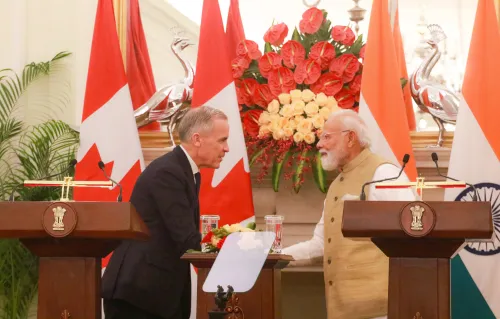
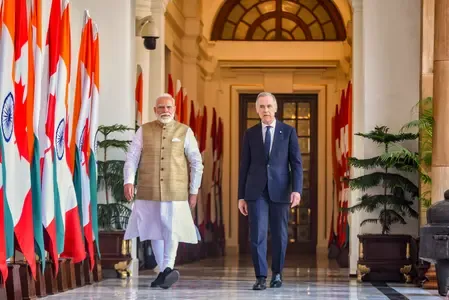
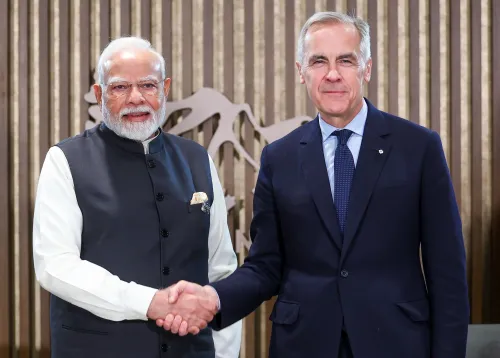
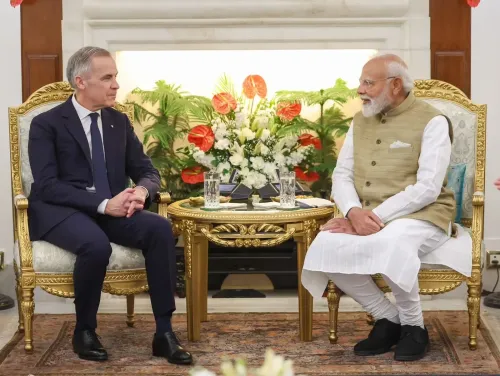
New Delhi, Jan 27 (NationPress) India and Canada on Tuesday entered into a joint agreement aimed at enhancing collaboration in the energy sector during the India Energy Week 2026 held in Goa. This agreement signifies a renewed effort to strengthen bilateral relations in critical areas including oil, gas, clean energy, and long-term investments.
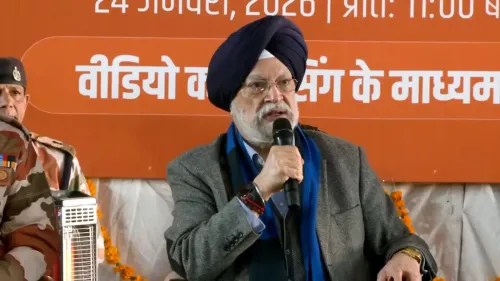
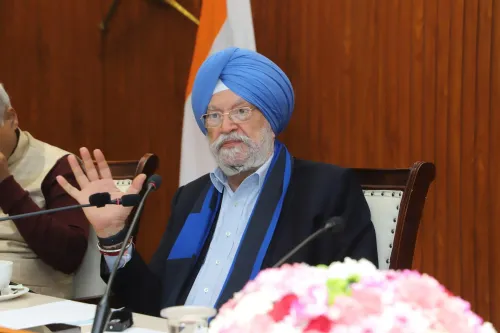
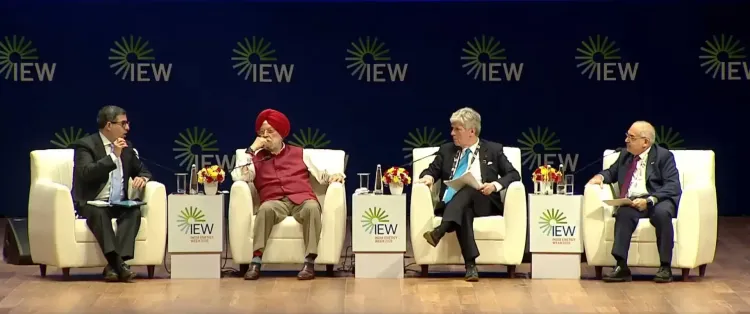
The joint statement was issued following a meeting between India's Minister of Petroleum and Natural Gas, Hardeep Singh Puri, and Canada's Minister of Energy and Natural Resources, Timothy Hodgson.
Hodgson's attendance at the India Energy Week 2026 is noteworthy as it marks the first occasion a Canadian Minister has participated in this event.
During their discussions, both ministers officially inaugurated the revitalized India-Canada Ministerial Energy Dialogue.
They emphasized that energy security and diversified supply chains are essential for the economic growth, safety, and overall well-being of both nations.
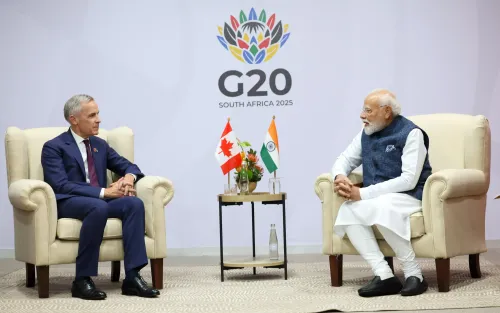
This meeting aligns with directives from the Prime Ministers of India and Canada during their conversation at the G7 Summit held in June 2025 in Kananaskis, Canada.
At that time, both leaders stressed the importance of recommencing senior-level and working-level engagements.
India and Canada recognized that their energy sectors are complementary. Canada is aspiring to emerge as a global energy superpower in both clean and conventional energy, placing a strong emphasis on increasing exports.
Conversely, India is positioning itself as a pivotal player in the global energy market due to its substantial and rising demand.
Canada showcased its growing capabilities in liquefied natural gas, crude oil, and liquefied petroleum gas exports, particularly to Asian markets.
India highlighted its status as the world’s third-largest oil consumer, fourth-largest LNG importer, and third-largest LPG consumer, boasting one of the largest refining capacities globally.
Moreover, India is projected to contribute to over one-third of the rise in global energy demand over the next two decades.
Both nations agreed to enhance bilateral energy trade, including the supply of Canadian LNG, LPG, and crude oil to India, alongside the export of refined petroleum products from India to Canada.
The ministers also expressed a desire to foster stronger commercial and investment partnerships in each other's energy sectors.
Canada revealed that it is accelerating major energy and resource projects, bolstered by investments exceeding $116 billion announced in 2025.
In parallel, India underscored policy reforms and investment opportunities nearing $500 billion across the entire energy value chain.
Point of View
I believe the collaboration between India and Canada in the energy sector represents a strategic move that will not only enhance bilateral relations but also contribute significantly to global energy stability. Both nations have unique capabilities that, when combined, can lead to mutual growth and energy security.
NationPress
20 Sept 2026
Frequently Asked Questions
What is the significance of the India-Canada energy agreement?
The agreement aims to strengthen cooperation in the energy sector, focusing on oil, gas, and clean energy, enhancing bilateral relations and energy security.
Who attended the India Energy Week 2026?
India's Minister of Petroleum and Natural Gas, Hardeep Singh Puri, and Canada's Minister of Energy and Natural Resources, Timothy Hodgson, attended the event.
What are the projected energy demands for India in the coming years?
India is expected to account for more than one-third of the growth in global energy demand over the next two decades.