India and Bhutan Strengthen Cooperation on Hydro Projects and River Management
Synopsis
In a recent high-level meeting in Thimphu, India and Bhutan committed to enhancing their bilateral collaboration on trans-boundary rivers and hydropower initiatives, aiming for sustainable water resource management. This strengthens their shared commitment to climate resilience and effective flood management.
Key Takeaways
Strengthened bilateral cooperation on trans-boundary rivers and hydropower.
Focus on climate resilience and flood management.
Review of Punatsangchhu-I and Punatsangchhu-II projects.
Improvement of hydro-meteorological networks and data-sharing.
Commitment to sustainable management of water resources.
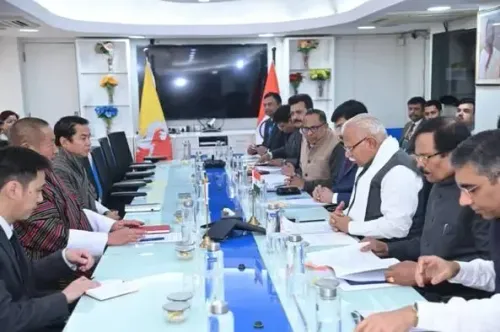
New Delhi, Feb 27 (NationPress) India and Bhutan have taken steps to enhance their bilateral relations concerning trans-boundary rivers and hydropower projects during a significant official meeting held in Thimphu, as stated in an official release on Friday.
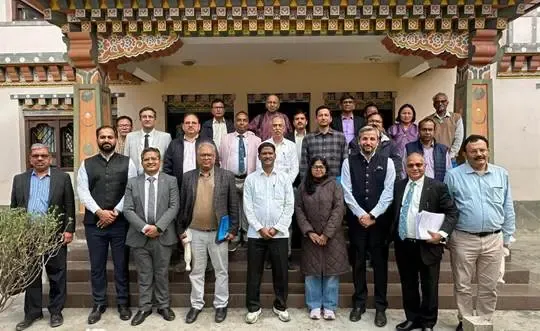
V. L. Kantha Rao, the Secretary of the Department of Water Resources, River Development and Ganga Rejuvenation (DoWR, RD, and GR) within the Ministry of Jal Shakti, led an Indian delegation that included ministry officials, representatives from the Assam and West Bengal state governments, as well as WAPCOS Ltd. The visit to Bhutan occurred from February 24 to 27.
The discussions revolved around collaborations on trans-boundary rivers and an assessment of the ongoing Punatsangchhu-I Hydro Electric Project, which is being executed in Bhutan in conjunction with the Government of India.
During the bilateral meeting at the Secretary level on Wednesday, both parties evaluated the current frameworks of cooperation regarding flood management and forecasting.
Further discussions aimed at enhancing and updating the existing hydro-meteorological observation network in Bhutan concerning trans-boundary rivers. Additionally, they focused on improving data-sharing protocols for hydro-meteorological and flood forecasting relevant to these rivers, fostering collaboration in capacity building and technical exchanges, and addressing emerging challenges such as climate change, glacial lake outburst floods (GLOFs), and extreme weather phenomena.
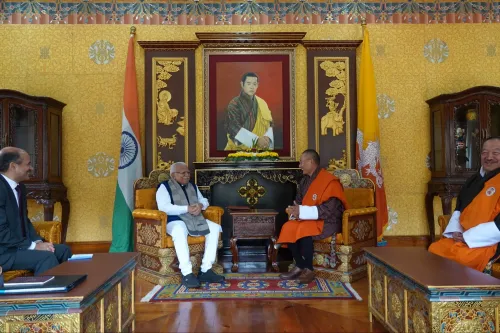
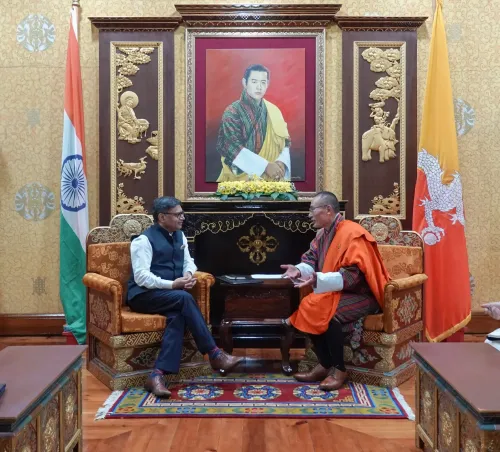
Following the meeting, Secretary Rao met with Lyonpo Gem Tshering, Bhutan's Minister for Energy and Natural Resources.
On Thursday, Rao visited the ongoing construction of the Punatsangchhu-I Hydro Electric Project and the newly commissioned Punatsangchhu-II Project in Bhutan. He also held discussions with officials from PHPA-I and PHPA-II to review the advancement of these initiatives. Additional site visits included the National Centre for Hydrology and Meteorology (NCHM) in Thimphu, the 3.5 MLD Water Treatment Plant at Chamgang, and the NCHM flood monitoring station near Wangdue Phodrang Dzong, as mentioned in the statement.
The primary objective of this visit was to improve water resources management, enhance flood forecasting capabilities, and bolster climate resilience in shared river basins. It reaffirmed both nations' commitment to the sustainable and mutually beneficial management of trans-boundary water resources. The Secretary also expressed India’s ongoing support for deepening collaboration in water resource management, as highlighted in the statement.
Point of View
The recent collaboration between India and Bhutan on trans-boundary river management and hydropower projects reflects a strategic commitment to environmental sustainability and regional stability. This partnership is pivotal in addressing climate challenges and fostering mutual growth.
NationPress
3 Oct 2026
Frequently Asked Questions
What was the purpose of the India-Bhutan meeting?
The meeting aimed to strengthen bilateral cooperation on trans-boundary rivers and hydropower projects.
Who led the Indian delegation to Bhutan?
V. L. Kantha Rao, Secretary of the Department of Water Resources, led the Indian delegation.
What projects were discussed during the meeting?
The ongoing Punatsangchhu-I Hydro Electric Project and the recently commissioned Punatsangchhu-II Project were discussed.
What are the key focuses of the cooperation?
The cooperation focuses on flood management, hydro-meteorological data sharing, and addressing climate change challenges.
How does this meeting benefit both nations?
It enhances sustainable water resource management, strengthens climate resilience, and fosters mutual growth.