Dr. Jitendra Singh: India bioeconomy hits $190 bn in 12 years
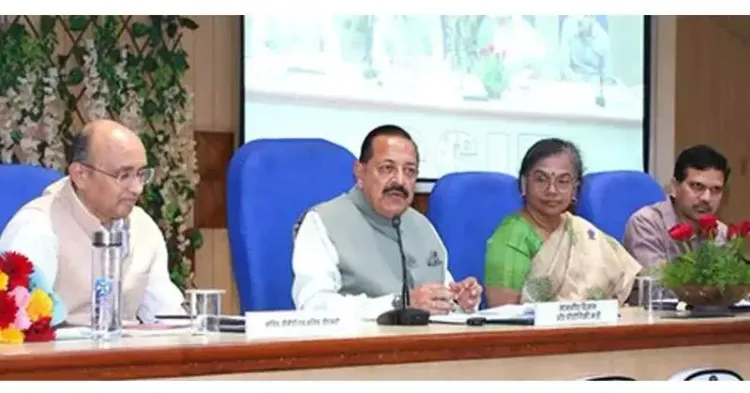
Synopsis
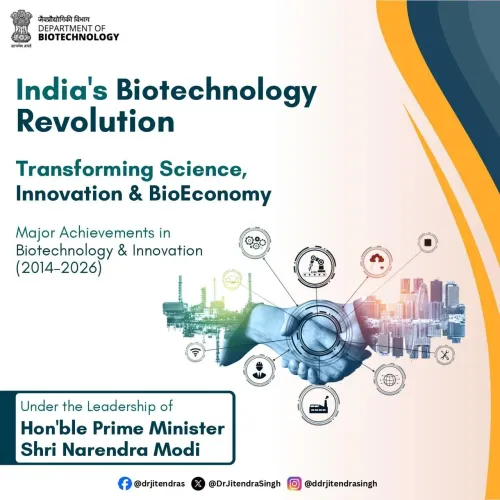
Union Minister Dr. Jitendra Singh has flagged a reported nineteen-fold rise in India's bioeconomy — from $10 billion to $190 billion — over 12 years of the Modi government, crediting DBT policies, BIRAC funding and the Atmanirbhar Bharat push in life sciences.
Key Takeaways
Jitendra Singh posted on June 16, 2026 citing India's bioeconomy growing from $10 billion to $190 billion in 12 years .
The claim is part of the government's #12YearsOfSeva communication campaign marking a decade-plus of the Modi administration .
The Department of Biotechnology (DBT) and BIRAC have been the primary institutional drivers of this reported expansion.
Key growth areas include vaccine manufacturing , agricultural biotechnology and bio-pharma exports .
The next National Biotechnology Development Strategy and Union Budget allocations will signal the government's forward targets for the sector.
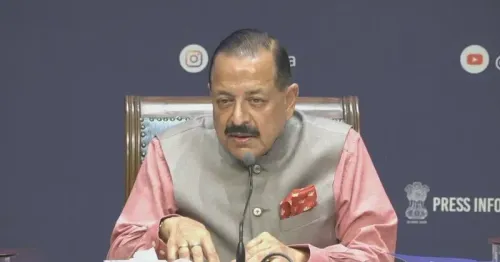
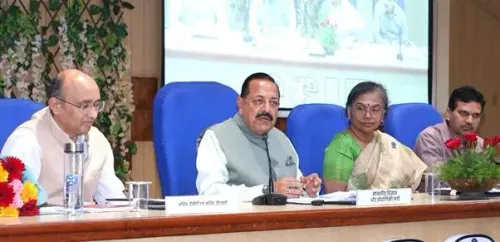
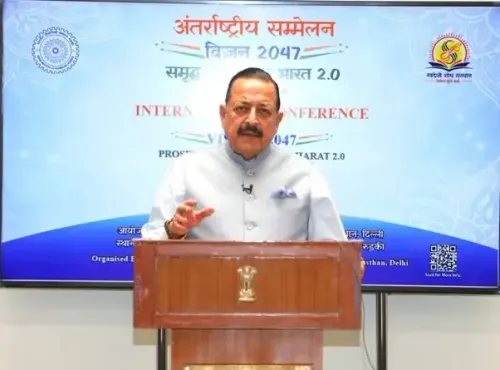
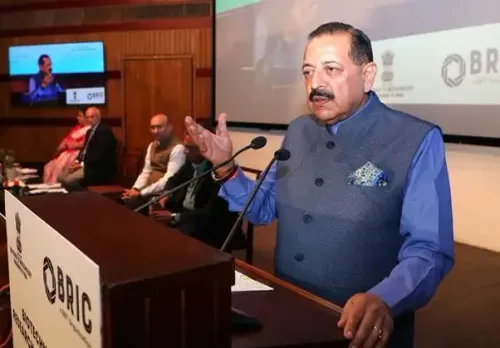
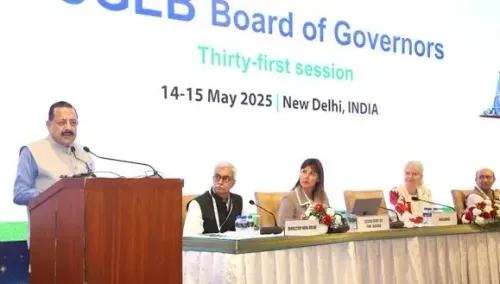
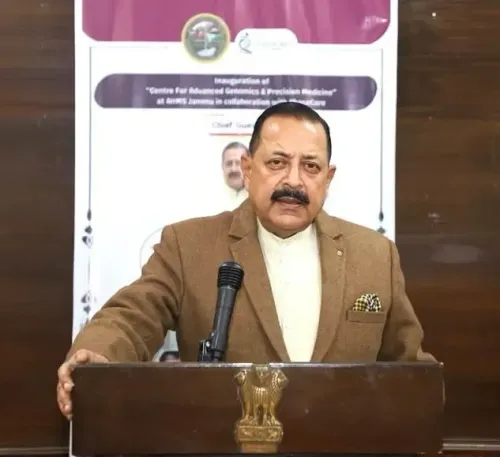
Union Minister of State (Independent Charge) for Science and Technology Dr. Jitendra Singh on Tuesday, June 16, 2026, highlighted a reported nineteen-fold expansion in India's bioeconomy — from $10 billion to $190 billion over 12 years — framing the milestone as a signature achievement of the Modi government under the hashtag #12YearsOfSeva.
Context
The minister's post cited a report noting that India's bioeconomy has grown from approximately $10 billion to $190 billion in the twelve years since 2014, when the Narendra Modi-led government assumed office. The claim is being amplified as part of a broader government communication drive marking 12 years of the current administration's tenure. Dr. Singh, who has held charge of the Department of Biotechnology (DBT) since 2014, has been a consistent advocate for positioning life sciences as a pillar of India's economic growth story.
Policy Backdrop
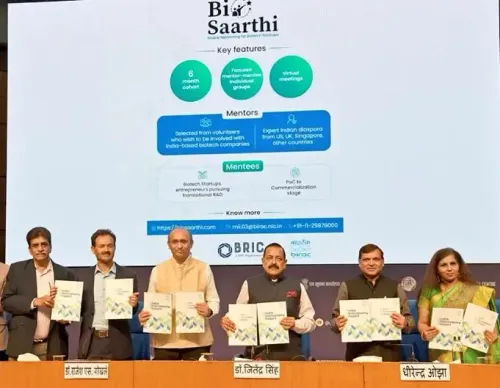
The reported growth trajectory tracks closely with a series of policy interventions rolled out since 2014. The National Biotechnology Development Strategy (2015–2020) set explicit targets for expanding the sector through increased public R&D investment, startup incubation and export promotion. The Biotechnology Industry Research Assistance Council (BIRAC), established in 2012 and subsequently scaled under DBT, has served as the primary funding bridge between academic research and commercial biotechnology ventures.
Successive rounds of BIRAC grants have supported areas ranging from vaccine manufacturing — brought into sharp focus during the COVID-19 pandemic — to agricultural biotechnology and bio-pharma exports. The sector's expansion also aligns with the government's Atmanirbhar Bharat framework, which identified life sciences as a strategic domain for self-reliance and global competitiveness.
Stakeholders and Impact
The beneficiaries of this reported expansion span a wide ecosystem: biotech startups that have accessed BIRAC seed and scale-up funding, pharmaceutical firms that have deepened their biologics pipelines, and research institutions that have partnered with industry under DBT-facilitated programmes. India's growing share in global generic biologics and biosimilar exports is frequently cited as evidence of the sector's commercial maturation.
For domestic consumers and public health planners, an expanded bioeconomy has implications for vaccine availability, affordable diagnostics and agricultural productivity — areas where biotechnology intersects directly with food and health security.
What's Next
Attention will now turn to the release of the next National Biotechnology Development Strategy document, which is expected to set fresh targets for the sector beyond the current planning horizon. Bioeconomy-specific allocations in the forthcoming Union Budget will be closely watched by industry stakeholders as an indicator of whether the government intends to sustain this growth pace into the next decade. If the reported $190 billion valuation is formally validated and institutionalised as a baseline, it could anchor India's pitch to global investors as a preferred destination for life-sciences capital.
Point of View
Deploying a striking valuation jump to make the abstract gains of biotechnology policy tangible for a general audience. The nineteen-fold growth figure, if substantiated, would represent one of the more dramatic sectoral success stories of the Modi era and positions life sciences alongside digital and infrastructure as a pillar of the government's economic legacy. The timing — mid-year, ahead of Budget season — also signals that the biotechnology sector may be primed for fresh policy attention or enhanced allocations. For opposition voices, the unverified nature of the precise valuation figures leaves room to contest the headline claim.
NationPress
20 Sept 2026
Frequently Asked Questions
What is India's current bioeconomy value according to Dr. Jitendra Singh?
According to a post by Dr. Jitendra Singh on June 16, 2026 , India's bioeconomy has grown to $190 billion , up from $10 billion twelve years ago.
What is the Department of Biotechnology and what does it do?
The Department of Biotechnology (DBT) is the nodal central agency under India's Ministry of Science and Technology responsible for policy, funding and regulation of the country's biotechnology sector, including support for startups through BIRAC .
What is BIRAC and how has it helped India's biotech sector?
BIRAC (Biotechnology Industry Research Assistance Council) was established in 2012 to bridge the gap between academic research and commercial biotechnology. It has provided seed and scale-up funding to biotech startups across vaccine manufacturing, agricultural biotech and bio-pharma exports.
What is #12YearsOfSeva?
#12YearsOfSeva is a government communication hashtag marking 12 years of the Narendra Modi -led administration since 2014 , used to highlight policy achievements across sectors including science and technology.
What comes next for India's bioeconomy policy?
Stakeholders are watching for the release of the next National Biotechnology Development Strategy document and bioeconomy-specific allocations in the forthcoming Union Budget , which will set fresh growth targets for the sector.