INDIA bloc meets at Constitution Club over CEC Gyanesh Kumar row
Synopsis
The INDIA bloc gathered at Delhi's Constitution Club on 30 September to confront CEC Gyanesh Kumar over alleged poll impropriety — but the meeting exposed as many fractures as it papered over. AAP and DMK stayed away, SP sent proxies, and bloc leaders themselves admit they lack the Parliamentary numbers to remove the CEC. This is more a political signal than a legislative strike.
Key Takeaways
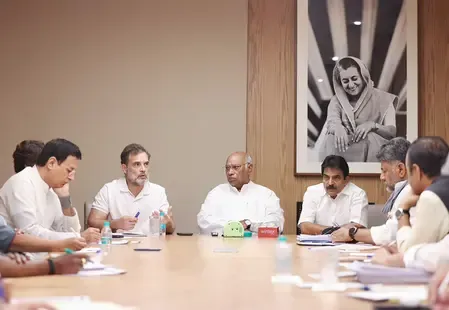
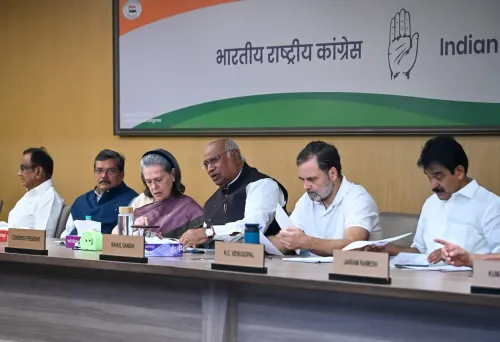
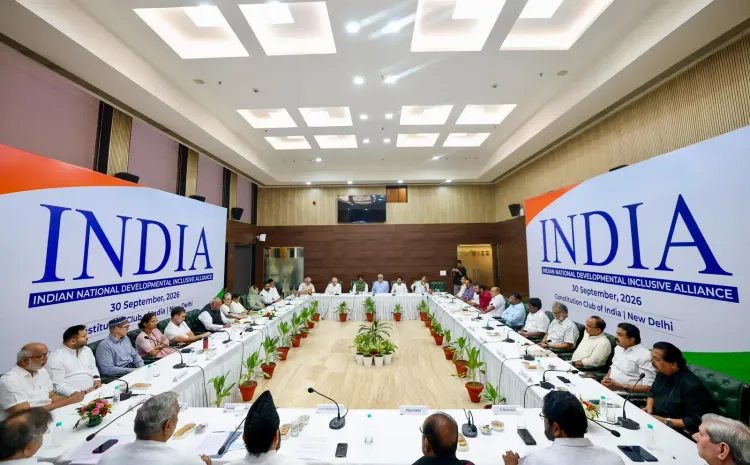
The INDIA bloc met at Constitution Club, New Delhi on 30 September 2026 to build a common strategy against CEC Gyanesh Kumar .
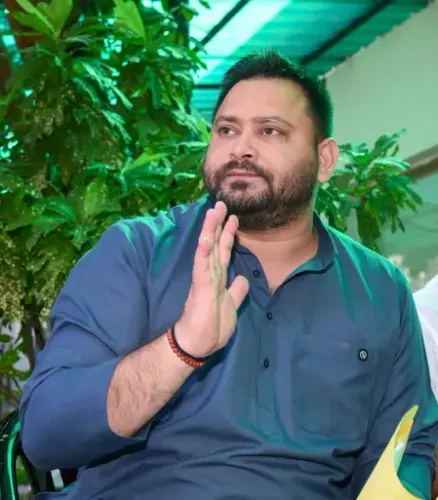
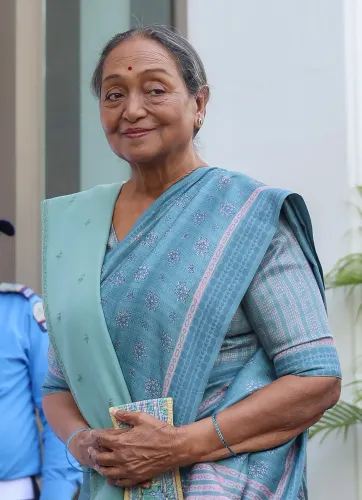
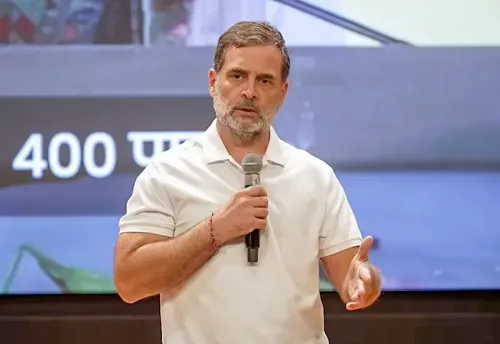
Key attendees included Mallikarjun Kharge , Rahul Gandhi , Sonia Gandhi , Mamata Banerjee , Tejashwi Yadav , and Farooq Abdullah ; Uddhav Thackeray joined virtually.
AAP and DMK did not attend; SP chief Akhilesh Yadav was absent, with party MPs representing him.
The CWC the previous day demanded Kumar's resignation, suspension of the SIR exercise, and restoration of deleted voters.
Opposition leaders have acknowledged the bloc lacks the Parliamentary numbers to remove the CEC .
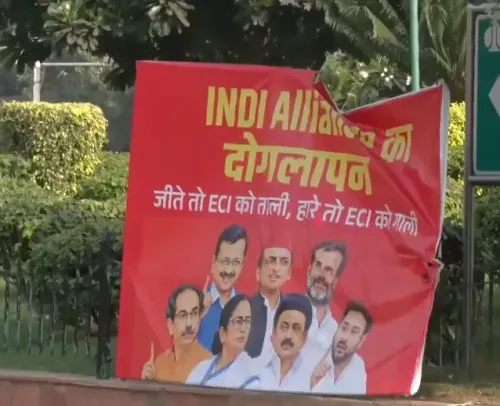
Posters accusing Opposition leaders of 'doglapan' (double standards) appeared outside the venue ahead of the meeting.
Senior Opposition leaders convened at New Delhi's Constitution Club on 30 September 2026 for an INDIA bloc meeting aimed at building a common front against Chief Election Commissioner (CEC) Gyanesh Kumar, amid mounting concerns over alleged electoral impropriety and the integrity of voter roll revisions. The gathering follows a sharp resolution by the Congress Working Committee (CWC) that called for Kumar's resignation just a day earlier.
Who Attended — and Who Stayed Away
Congress National President Mallikarjun Kharge, Lok Sabha Leader of Opposition Rahul Gandhi, Congress Parliamentary Party Chairperson Sonia Gandhi, Rashtriya Janata Dal (RJD) leader and Bihar Assembly Leader of Opposition Tejashwi Yadav, Jammu and Kashmir Chief Minister Farooq Abdullah, and All India Trinamool Congress (TMC) supremo Mamata Banerjee along with TMC MP Abhishek Banerjee were present. CPI(M) MP John Brittas, NCP (SP) MP Supriya Sule, and Congress Rajya Sabha member Jairam Ramesh also attended.
Shiv Sena (UBT) chief Uddhav Thackeray participated virtually. Samajwadi Party (SP) chief Akhilesh Yadav was absent; the party was represented by MPs Harendra Malik and Maulana Mohibbullah Nadvi. Notably, the Aam Aadmi Party (AAP) and the Dravida Munnetra Kazhagam (DMK) did not attend the meeting — an absence that adds to questions about the bloc's cohesion.
The Backdrop: CWC Resolution and SIR Controversy
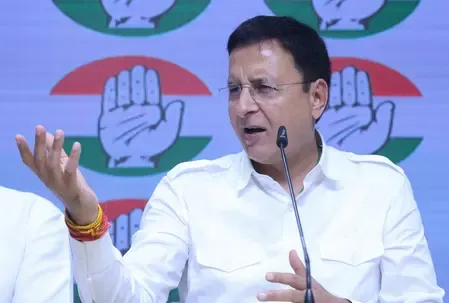
The meeting was convened a day after the CWC passed a strongly worded resolution demanding CEC Gyanesh Kumar's resignation, an immediate suspension of the Special Intensive Revision (SIR) exercise, and the restoration of voters allegedly deleted from electoral rolls. Opposition parties have argued that the SIR process lacks transparency and disproportionately affects certain communities, though the Election Commission of India (ECI) has defended the exercise as routine and lawful.
This comes amid a broader pattern of Opposition friction with the ECI, which has repeatedly surfaced ahead of major election cycles. Critics argue the latest dispute reflects a deepening institutional trust deficit, while the ruling establishment maintains the commission operates independently and by the book.
The Numbers Problem
Despite the show of collective purpose, leaders within the Opposition ranks have themselves acknowledged a stark arithmetic reality: the bloc does not command the numbers in Parliament required to remove the CEC. The meeting is therefore widely seen as a political statement rather than a legislative manoeuvre — an effort to sustain public pressure and demonstrate solidarity on what the Opposition describes as a threat to the electoral process's integrity and transparency.
Friction at the Venue
Ahead of the meeting, posters targeting Opposition leaders over alleged 'doglapan' (double standards) on Election Commission issues appeared around the Constitution Club. The posters signal that the ruling side is seeking to frame the Opposition's mobilisation as opportunistic, testing the bloc's ability to project a credible, unified message to the public.
What Comes Next
Wednesday's gathering is widely regarded as another pressure test for an Opposition alliance whose internal fault lines — evidenced by AAP and DMK's absence, and SP's decision to send proxies rather than its chief — remain visible. Whether the bloc translates this meeting into a coordinated parliamentary or legal strategy will determine its impact beyond the news cycle. All eyes will now be on whether the INDIA bloc issues a joint statement and whether it can hold together as the electoral calendar draws closer.
Point of View
Akhilesh Yadav's proxy attendance, and the bloc's own admission that it lacks removal numbers collectively strip the meeting of legislative teeth. What remains is a signalling exercise — valuable for keeping the ECI controversy in the news cycle, but unlikely to alter the CEC's position. The deeper question mainstream coverage underplays is whether repeated Opposition mobilisations that fall short of outcomes are eroding the bloc's credibility on institutional accountability, rather than building it.
NationPress
30 Sept 2026
Frequently Asked Questions
Why did the INDIA bloc meet at Constitution Club on 30 September?
The INDIA bloc convened at New Delhi's Constitution Club on 30 September 2026 to formulate a joint strategy against Chief Election Commissioner Gyanesh Kumar over concerns about alleged electoral impropriety and the Special Intensive Revision (SIR) exercise. The meeting followed a Congress Working Committee resolution the previous day demanding Kumar's resignation.
What did the Congress Working Committee demand before the meeting?
The CWC passed a resolution demanding CEC Gyanesh Kumar's resignation, the immediate suspension of the Special Intensive Revision (SIR) voter roll exercise, and the restoration of voters allegedly removed from electoral rolls. The resolution set the political tone for the wider Opposition gathering.
Which parties were absent from the INDIA bloc meeting?
The Aam Aadmi Party (AAP) and the Dravida Munnetra Kazhagam (DMK) did not attend. Samajwadi Party chief Akhilesh Yadav was also absent, though the party sent MPs Harendra Malik and Maulana Mohibbullah Nadvi in his place. Shiv Sena (UBT) chief Uddhav Thackeray participated virtually.
Can the INDIA bloc actually remove CEC Gyanesh Kumar?
No — Opposition leaders have themselves acknowledged that the bloc does not have the numbers in Parliament required to remove the Chief Election Commissioner. The meeting is widely seen as a political pressure campaign rather than a viable legislative move.
What is the Special Intensive Revision (SIR) exercise that the Opposition objects to?
The SIR is an Election Commission of India exercise to update electoral rolls by adding new voters and removing ineligible ones. Opposition parties allege the process lacks transparency and has resulted in the wrongful deletion of eligible voters, charges the ECI has disputed, defending the exercise as routine and lawful.