Have India-EU FTA Negotiations Finally Reached a Conclusion?
Synopsis
The conclusion of the India-EU FTA negotiations stands as a significant milestone in enhancing economic ties. This agreement, described as balanced and forward-looking, promises to expand trade and investment opportunities, notably within the automobile sector. Discover how this deal could reshape India's trade landscape with Europe.
Key Takeaways
Successful conclusion of India-EU FTA negotiations.
Economic integration enhancement between India and the EU.
Significant trade and investment opportunities expected.
Reduction of import duties on European vehicles from 110% to 40% .
India's exports to the EU could see a substantial boost .
New Delhi, Jan 26 (NationPress) The long-anticipated discussions for the India-European Union Free Trade Agreement (FTA) have reached a successful conclusion, with an official announcement set for Tuesday, as confirmed by Commerce Secretary Rajesh Agrawal on Monday.
Agrawal characterized the agreement as balanced and forward-thinking, highlighting its potential to enhance economic integration between India and the EU, thereby significantly increasing trade and investment.
The FTA is projected to be implemented next year after a legal review of the text, which is expected to take about five to six months before the formal signing occurs.
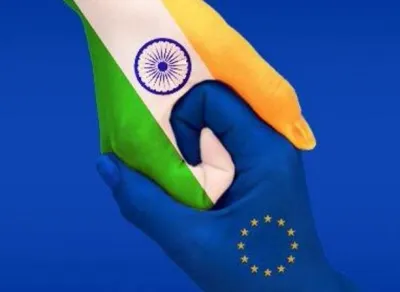
Often dubbed the 'Mother of All Deals', the India-EU FTA is viewed as a pivotal advancement in broadening India's global trade reach.
This agreement could mitigate the effects of high US tariffs by providing broader access to the European market, particularly benefitting Indian exports like textiles and jewelry.
A notable feature of the pact is the opening of India's automobile sector to European car manufacturers.
Import tariffs on European vehicles are anticipated to drop significantly from the current 110% to approximately 40%, making cars from brands like Volkswagen, Mercedes-Benz, and BMW more accessible to Indian consumers.
The automobile sector has historically been one of the most protected segments of the Indian economy, primarily dominated by Japan's Suzuki and local brands Mahindra and Tata, which together hold nearly two-thirds of the market.
Currently, European manufacturers account for only about 4% of India's annual car sales, which total 4.4 million units.
The EU is already a vital player in India's trade ecosystem, representing around 17% of India's total exports, whereas Indian exports make up about 9% of the EU's overall shipments.
In the financial year 2024–25, India's bilateral trade in goods with the EU reached $136.53 billion, with exports valued at $75.85 billion and imports at $60.68 billion.
This positions the EU as India's largest trading partner in goods, while trade in services between the two partners amounted to $83.10 billion in 2024.
Point of View
I view the successful conclusion of the India-EU FTA negotiations as a significant step forward for India's economy. This agreement not only opens doors for increased trade and investment but also positions India strategically on the global trading stage. It is imperative that we embrace this opportunity to expand our economic horizons while ensuring that the benefits reach all sectors of our economy.
NationPress
30 Sept 2026
Frequently Asked Questions
What is the India-EU Free Trade Agreement?
The India-EU Free Trade Agreement (FTA) is a trade pact aimed at facilitating trade and economic cooperation between India and the European Union, reducing tariffs, and enhancing market access for goods and services.
How will the FTA affect Indian exports?
The FTA is expected to significantly boost Indian exports, especially in sectors like textiles and jewelry, by providing better access to the European market and reducing tariff barriers.
What changes can we expect in the automobile sector?
The agreement is set to reduce import duties on European vehicles from 110% to around 40%, making European cars more affordable and increasing competition in the Indian market.
When will the FTA come into effect?
The FTA is anticipated to come into force next year, following a legal review of the text which is expected to take about five to six months.
What is the significance of this agreement for India?
This FTA is considered a pivotal development for India, potentially enhancing its global trade footprint and reducing reliance on other markets, particularly in the context of high US tariffs.