Is the India-EU Trade Agreement on the Verge of Completion While US Negotiations Persist?
Synopsis
The India-EU trade agreement is reportedly nearing completion while negotiations with the US continue. Minister Piyush Goyal emphasized the importance of these talks in a recent address, highlighting India's push for zero-duty access for its key sectors. This pivotal moment in international trade relations underscores the importance of collaboration amid ongoing discussions with both the EU and the US.
Key Takeaways
Trade Agreement Status: India and EU negotiations are in the final stages.
US Negotiations: Ongoing discussions for a bilateral trade deal.
Zero-Duty Access: India seeks zero-duty access for key sectors.
Commitment to Rules-Based Trade: Emphasis on a modern economic partnership.
Broader Collaboration: Continued cooperation with the US on various sectors.
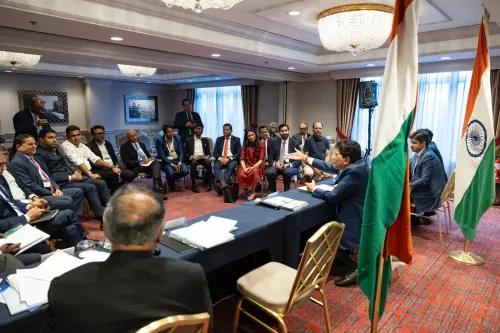
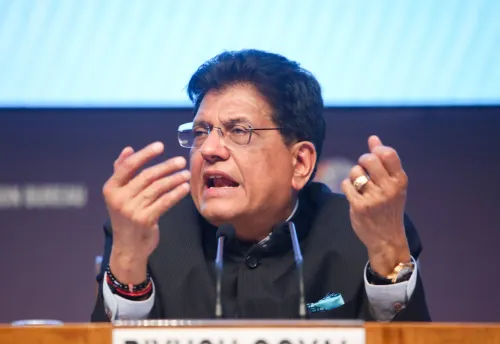
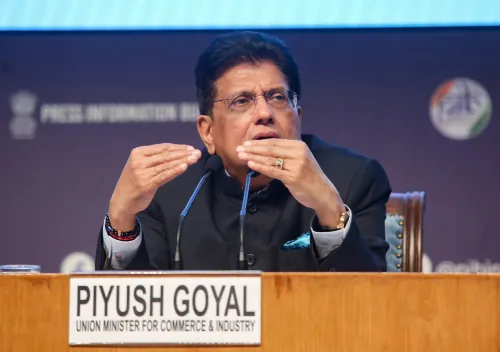
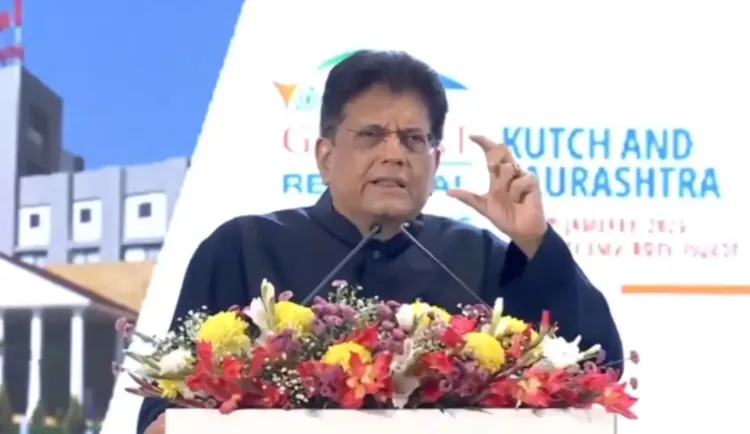
Rajkot (Gujarat), Jan 12 (NationPress) The discussions surrounding a trade pact between India and the European Union have reached a crucial phase, as negotiations for a bilateral trade agreement with the United States are also ongoing, stated Commerce and Industry Minister Piyush Goyal on Monday.
This announcement came during his keynote speech at the Regional MSME Conclave in Rajkot.
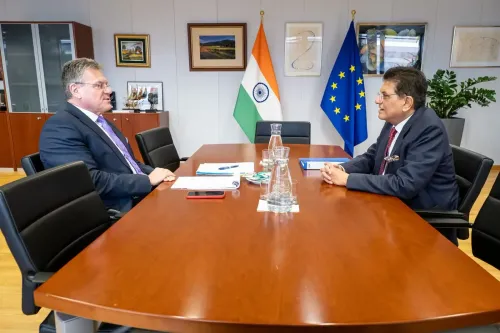
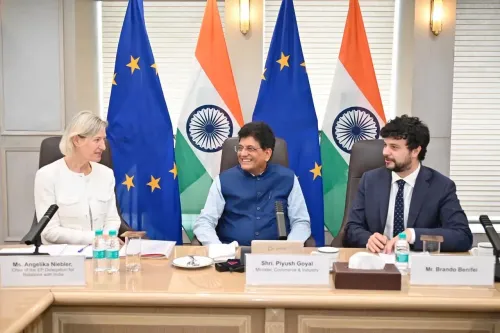
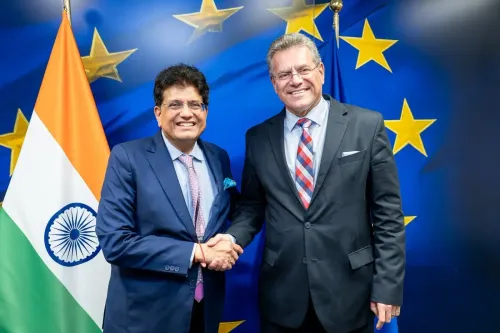
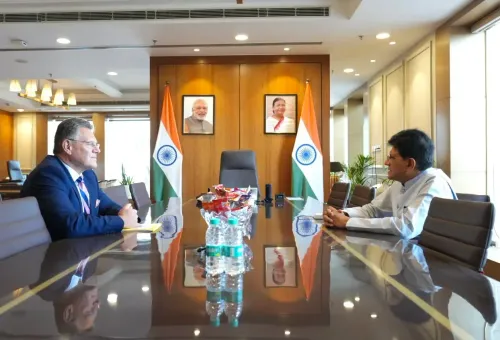
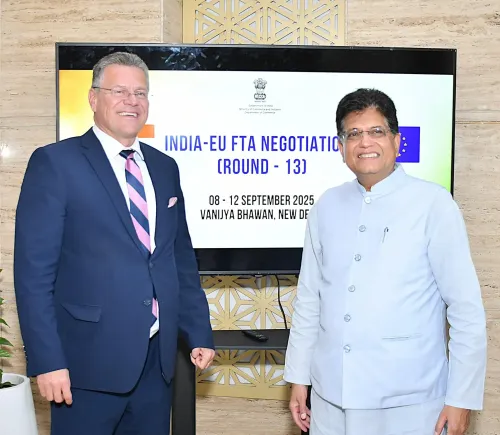
Minister Goyal recently returned from Brussels, where he participated in high-level discussions with the EU Trade and Economic Security Commissioner, Maros Sefcovic, aimed at finalizing a mutually advantageous India-EU Free Trade Agreement (FTA).
India is advocating for zero-duty access for its labour-intensive industries, including textiles, leather, apparel, gems and jewellery, and handicrafts.
“In our discussions, we focused on vital components of the proposed agreement. We reiterated our dedication to a rules-based trading system and a modern economic partnership that protects the interests of farmers and MSMEs while incorporating Indian industries into global supply chains,” Goyal expressed in a post on X.
His remarks regarding ongoing India-US negotiations coincided with the new US Ambassador to New Delhi, Sergio Gor, announcing that the next round of discussions is scheduled for Tuesday (January 13).
In his address to embassy staff and journalists, Gor conveyed that President Donald Trump extends “his best wishes to his friend Prime Minister Narendra Modi.”
“The bond between Mr. Trump and Mr. Modi is genuine, and the U.S. and India share not only common interests but a relationship anchored at the highest levels. True friends may have disagreements, but they ultimately resolve their differences,” Gor noted.
He underscored that while trade is a pivotal aspect of India-U.S. relations, both nations will continue to collaborate closely in other crucial areas such as security, counter-terrorism, energy, technology, education, and health.
He also highlighted that both parties maintain regular communication, despite ongoing differences regarding tariffs and market access.
Point of View
Our focus remains on the collective interests of India. The advancements in trade negotiations with both the EU and the US signify a crucial opportunity for economic growth and enhanced global partnerships. It is essential to ensure that these agreements protect the interests of our farmers and MSMEs while fostering a robust economic framework.
NationPress
29 Sept 2026
Frequently Asked Questions
What is the status of the India-EU trade agreement?
The India-EU trade agreement discussions have entered the final stage, with efforts focused on finalizing a mutually beneficial Free Trade Agreement.
What industries is India advocating for zero-duty access?
India is pushing for zero-duty access for its labour-intensive sectors, including textiles, leather, apparel, gems and jewellery, and handicrafts.
Who is the new US Ambassador to India?
The new US Ambassador to India is Sergio Gor, who has expressed the importance of continuing trade negotiations between the two nations.
What are the key areas of collaboration between India and the US?
India and the US are collaborating in various critical areas such as security, counter-terrorism, energy, technology, education, and health, in addition to trade.
How do these trade negotiations impact the Indian economy?
These trade negotiations are crucial for integrating Indian industries into global supply chains, boosting economic growth, and ensuring the protection of local interests.