India-EU FTA progress reviewed by Piyush Goyal at G20 Trade Meet
Synopsis
Nearly 17 years in the making, the India-EU Free Trade Agreement is inching toward the finish line. Commerce Minister Piyush Goyal's bilateral with EU trade chief Maros Sefcovic at the G20 in Milwaukee — just weeks after Brussels formally submitted the deal to the EU Council — signals that both sides are working to close the final procedural gaps before a historic signing.
Key Takeaways
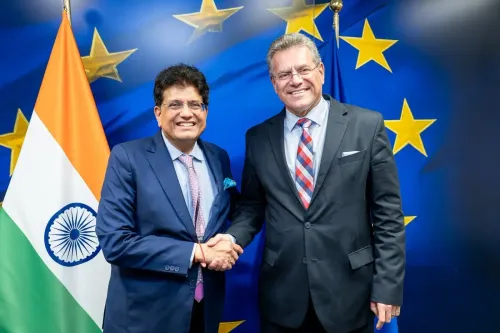
Piyush Goyal met EU Commissioner Maros Sefcovic at the G20 Trade Ministers' Meeting in Milwaukee on 1 October 2026 .
The two sides reviewed progress on the India-EU FTA , the Trade and Technology Council , and WTO reform .
India and the EU concluded FTA negotiations on 27 January 2026 after nearly 17 years of talks.
The European Commission submitted the deal to the EU Council for authorisation for signature earlier in September.
Minister of State Jitin Prasada had flagged technology transfers, AI, and local manufacturing as priorities for India's industrial growth under the agreement.
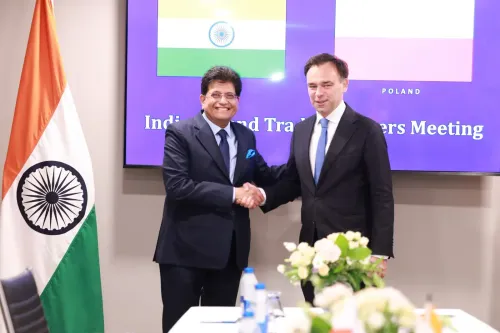
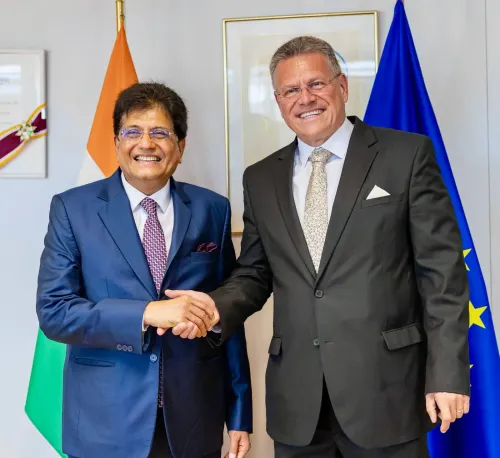
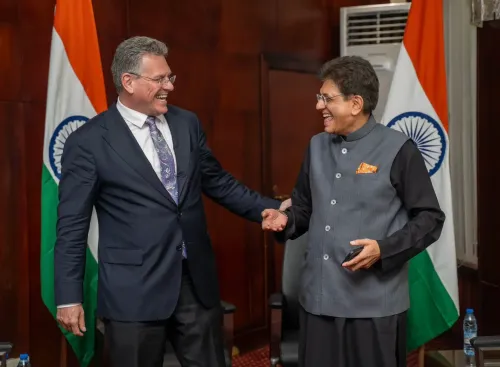
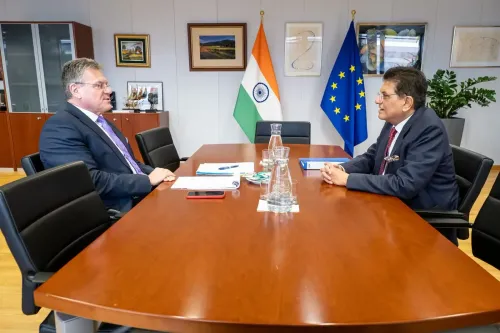
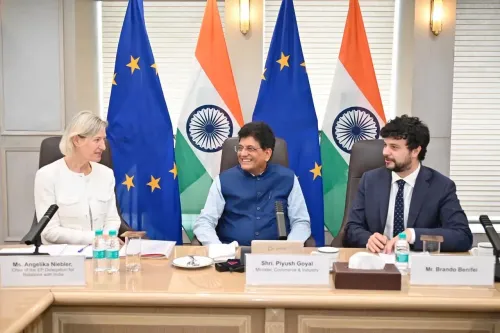
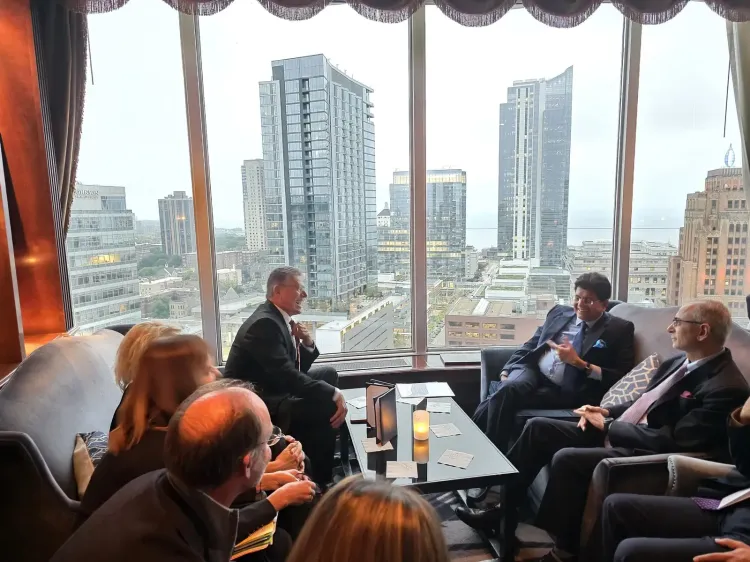
Union Commerce and Industry Minister Piyush Goyal on 1 October 2026 met European Commissioner for Trade and Economic Security Maros Sefcovic on the sidelines of the G20 Trade Ministers' Meeting in Milwaukee, reviewing progress toward the signing and entry into force of the India-EU Free Trade Agreement (FTA). The bilateral meeting also covered the India-EU Trade and Technology Council, World Trade Organisation (WTO) reform, and shared G20 priorities.
What Was Discussed
Goyal confirmed the meeting in a post on X, stating he had 'Reviewed progress towards the signing and entry into force of the India-EU FTA.' The two sides exchanged views on the Trade and Technology Council's ongoing work and aligned positions ahead of broader G20 deliberations. The bilateral engagement signals continued political momentum behind the deal even as procedural steps in Brussels remain pending.
Where the FTA Stands
India and the European Union concluded negotiations for the landmark trade pact on 27 January 2026, ending a process that began in 2007 and was relaunched in 2022 after nearly a decade of stalled talks — a timeline of close to 17 years. In a significant procedural step earlier this month, the European Commission submitted the agreement to the EU Council for authorisation for signature and conclusion. That submission is a prerequisite for the deal to proceed toward formal signing.
Technology, AI and Manufacturing in Focus
Minister of State for Commerce and Industry Jitin Prasada had noted in September that the FTA would support greater opportunities for trade and investment, while stressing that technology transfers, local manufacturing, and artificial intelligence would play a central role in India's next phase of industrial growth. Prasada had also underscored the need for foreign companies investing in India to contribute to domestic manufacturing and technological capabilities — including through joint ventures and technology transfers.
On export competitiveness, Prasada highlighted the importance of improving the quality of Indian products to meet global standards. He added that wider adoption of AI could help improve productivity and reduce production costs, particularly for micro, small and medium enterprises (MSMEs).
What Comes Next
With the European Commission's submission to the EU Council now in progress, formal authorisation for signature is the next key milestone. Once authorised, a signing ceremony would pave the way for ratification across EU member states — typically the longest phase of any EU trade deal. For India, the FTA represents access to a market of more than 450 million consumers and the EU's combined GDP, making it one of the most consequential trade agreements in India's recent diplomatic history.
Point of View
Member-state ratification, and navigating the protectionist instincts of European industries that lobbied against the deal for years. India, for its part, must deliver on the technology-transfer and manufacturing-quality commitments that ministers have been signalling — these are the concessions that sweetened the deal for European negotiators, and walking them back would be diplomatically costly. The 17-year timeline also serves as a cautionary note: momentum, once lost, is very hard to rebuild.
NationPress
1 Oct 2026
Frequently Asked Questions
What is the India-EU Free Trade Agreement?
The India-EU FTA is a comprehensive trade and investment pact between India and the European Union, concluded on 27 January 2026 after negotiations that began in 2007 and were revived in 2022. It is expected to open up greater market access across goods, services, and investment between the two economies.
What progress has been made on the India-EU FTA recently?
The European Commission submitted the agreement to the EU Council for authorisation for signature and conclusion earlier in September 2026 — a key procedural step. Commerce Minister Piyush Goyal also reviewed progress with EU trade chief Maros Sefcovic at the G20 Trade Ministers' Meeting in Milwaukee on 1 October.
When will the India-EU FTA be signed and come into force?
A formal timeline has not been confirmed, but the deal is awaiting EU Council authorisation for signature, followed by ratification across EU member states. The ratification process is typically the longest phase of any EU trade agreement.
What role will technology and AI play under the India-EU trade deal?
Minister of State Jitin Prasada has said technology transfers, local manufacturing, and AI will be central to India's next industrial growth phase under the FTA. Foreign companies investing in India are expected to contribute to domestic manufacturing capabilities, including through joint ventures and technology transfers.
Why did the India-EU FTA take nearly 17 years to conclude?
Negotiations launched in 2007 stalled for close to a decade over differences on tariffs, data protection, and market access standards before being relaunched in 2022. The deal was finally concluded on 27 January 2026 after sustained diplomatic engagement on both sides.