India-EU FTA talks: Market access, supply chains on the agenda in Brussels
Synopsis
India's Commerce Secretary took the FTA push directly to Brussels, holding back-to-back meetings with three European Commission Director-Generals on trade, partnerships, and customs. With diamond trade, clean energy, and digital customs on the table, the breadth of the agenda signals that the India–EU FTA is moving beyond headline negotiations into implementation groundwork — even as the finish line remains undefined.
Key Takeaways
Commerce Secretary Rajesh Agrawal met three senior European Commission Director-Generals in Brussels on 2 November 2026 .
Discussions covered India–EU FTA implementation, market access, trade facilitation, and supply chain resilience.
Both sides reaffirmed commitment to a 'fair, balanced, and mutually beneficial' FTA and agreed to address remaining procedural issues.
Customs cooperation and digitally enabled trade procedures were highlighted as critical to operationalising the agreement.
Gems and jewellery — with Antwerp , Mumbai , and Surat named as major centres — were identified as a priority bilateral cooperation area.
Agrawal pitched India's reform momentum to European industry at a BusinessEurope roundtable.
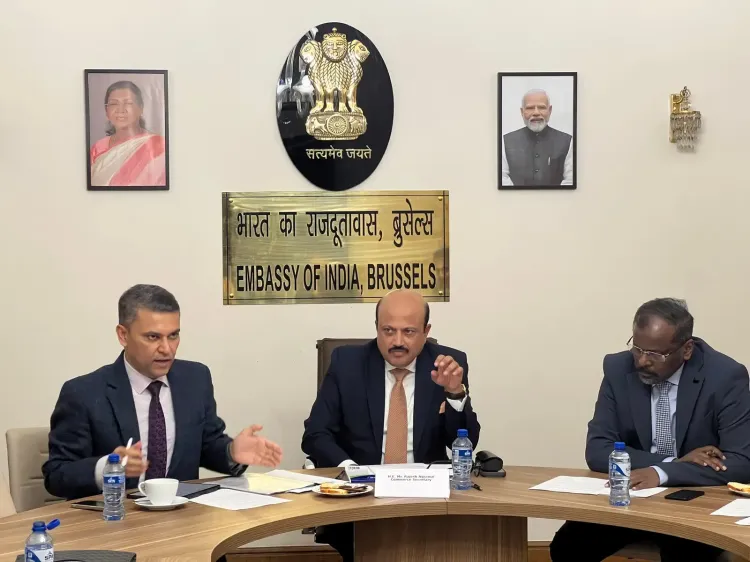
Commerce Secretary Rajesh Agrawal held high-level meetings in Brussels on 2 November 2026 with senior European Commission officials to advance cooperation under the India–European Union (EU) Free Trade Agreement (FTA), covering trade facilitation, market access, supply chain resilience, and customs modernisation. The engagements, confirmed by the Commerce Ministry, signal a fresh push to move the long-negotiated FTA closer to implementation.
Key Meetings and What Was Discussed
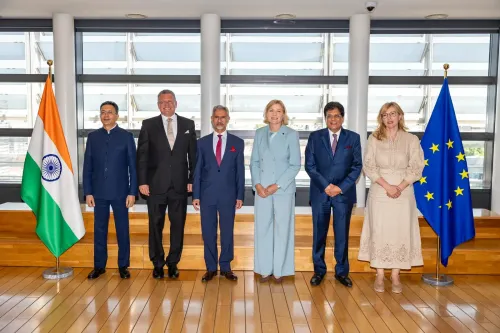
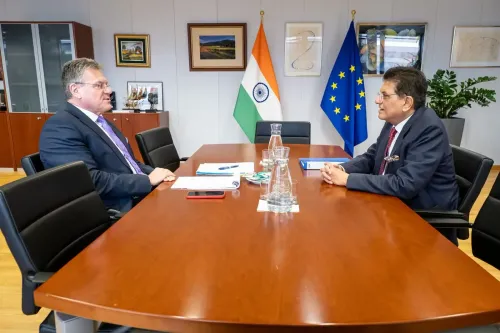
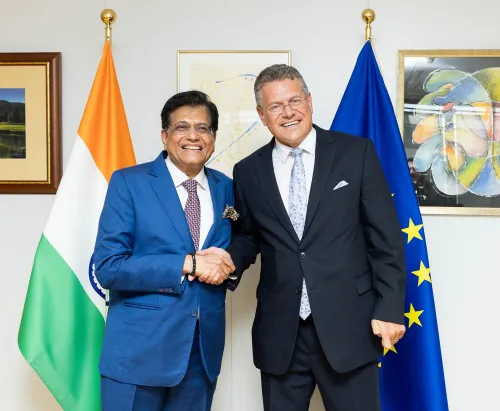
Agrawal met Ditte Juul Jorgensen, Director-General of the Directorate-General for Trade and Economic Security (DG TRADE); Koen Doens, Director-General of the Directorate-General for International Partnerships (DG INTPA); and Gerassimos Thomas, Director-General of the Directorate-General for Taxation and Customs Union (DG TAXUD) at the European Commission.
In his meeting with Jorgensen, both sides discussed measures to facilitate two-way trade, improve market access, and create new business opportunities for firms in both India and the EU. They reaffirmed their commitment to a 'fair, balanced, and mutually beneficial agreement' and agreed to maintain close engagement to address remaining procedural and implementation-related issues.
Discussions with Doens focused on strengthening India–EU development cooperation and strategic partnerships, touching on sustainable development, clean energy, green technologies, and related areas, according to the Commerce Ministry.
Customs Cooperation and Digital Trade Facilitation
The meeting with Thomas centred on customs cooperation, trade facilitation, and preparations for FTA implementation. Both sides recognised the importance of efficient, transparent, and digitally enabled customs procedures in reducing transaction costs and ensuring the smooth movement of legitimate trade — an area seen as critical to operationalising any eventual agreement at scale.
Diamond Trade and the Antwerp Ecosystem
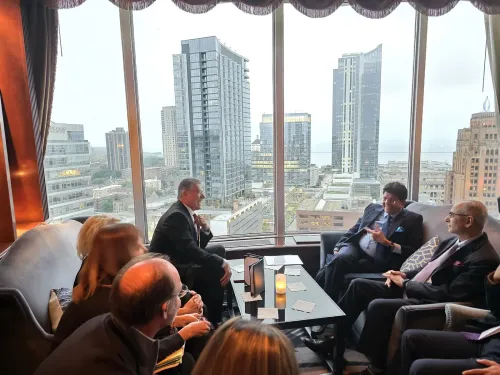
On the sidelines of the official meetings, Agrawal also engaged with stakeholders from the global diamond industry, including representatives linked to the Antwerp diamond ecosystem. Discussions covered the global diamond value chain, certification and traceability requirements, responsible sourcing, and emerging opportunities from India's expanding diamond manufacturing base.
India and Belgium have identified gems and jewellery as a priority area for deeper cooperation. Antwerp, Mumbai, and Surat were recognised as major diamond centres in the bilateral context — a framing that underscores India's ambition to move up the diamond value chain from cutting and polishing toward branding and certification.
Pitch to European Business
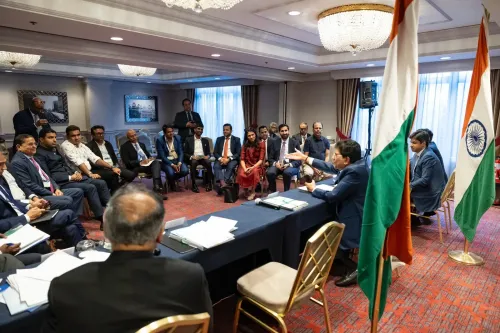
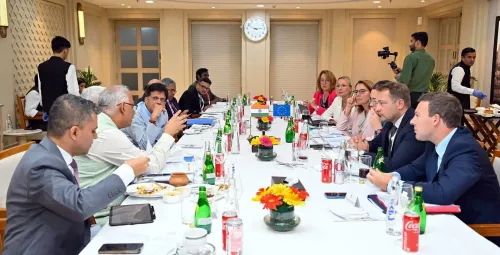
Agrawal also participated in a BusinessEurope roundtable with European industry representatives, presenting India's economic growth momentum and ongoing reform agenda. He invited European businesses to deepen their engagement with India and participate in its expanding value chains across key sectors.
This comes amid a broader effort by New Delhi to position India as a preferred destination for supply chain diversification, particularly as European firms look to reduce dependency on single-source manufacturing hubs. The Commerce Ministry characterised the overall engagement as reflecting the 'growing breadth of India–EU cooperation across trade, investment, development partnership, taxation and customs.'
With both sides agreeing to stay closely engaged on outstanding procedural issues, the timeline for a finalised FTA — long delayed by disagreements on market access, data flows, and sustainability clauses — remains under close watch.
Point of View
Certification frameworks, and implementation timelines are now on the table, not just market access principles. Yet the FTA has been 'close to finalisation' before, most recently in 2023, only to stall on agriculture, data flows, and carbon border adjustment disagreements. The inclusion of DG TAXUD in this round is notable: customs alignment is a prerequisite for the agreement to function, and India's push on digitally enabled procedures suggests it is trying to pre-empt a key implementation bottleneck. The diamond ecosystem outreach adds a commercial dimension often missing from these diplomatic read-outs — and it matters, because Surat's cutting industry and Antwerp's trading hub have complementary interests that a well-structured FTA chapter could formalise. Whether goodwill translates into a signed text before the EU's current trade calendar tightens again is the question mainstream coverage is not yet asking.
NationPress
2 Nov 2026
Frequently Asked Questions
What did India and the EU discuss in the Brussels FTA meetings?
India and the EU discussed trade facilitation, market access improvement, supply chain resilience, and preparations for FTA implementation during high-level meetings in Brussels on 2 November 2026. Commerce Secretary Rajesh Agrawal met three European Commission Director-Generals covering trade, international partnerships, and customs.
Where do India-EU FTA negotiations currently stand?
Both sides have reaffirmed their commitment to a fair, balanced, and mutually beneficial agreement and agreed to maintain close engagement to resolve remaining procedural and implementation-related issues. A firm timeline for finalising the FTA has not been announced.
Why is customs cooperation important for the India-EU FTA?
Efficient, transparent, and digitally enabled customs procedures are seen as essential to reducing transaction costs and ensuring smooth movement of goods once the FTA is in effect. The meeting between Agrawal and DG TAXUD chief Gerassimos Thomas focused specifically on this implementation groundwork.
What role do diamonds play in India-EU trade talks?
India and Belgium have identified gems and jewellery as a priority area for deeper cooperation, with Antwerp, Mumbai, and Surat recognised as major diamond centres. Discussions covered the global diamond value chain, certification, traceability, and responsible sourcing requirements.
What is the significance of the BusinessEurope roundtable?
The BusinessEurope roundtable allowed Commerce Secretary Agrawal to directly pitch India's economic growth, reform momentum, and investment opportunities to European industry representatives. It was an effort to encourage European companies to integrate more deeply into India's expanding value chains.