India-France Innovation Roadmap 2030: Viksit Bharat meets France 2030
Synopsis
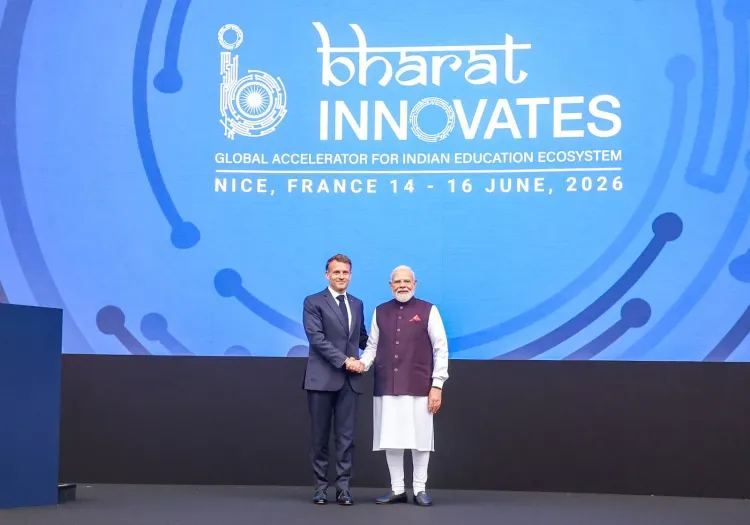
India and France have adopted a formal Innovation Roadmap 2030, anchoring 'trusted AI' as a central pillar and targeting 30,000 Indian students in France by 2030. The framework goes beyond diplomacy — it sets up a co-governance architecture for emerging tech at a time when democracies are racing to define the rules of AI and critical technology.
Key Takeaways
India and France adopted the India-France Innovation Roadmap 2030 on 15 June , linking Viksit Bharat 2047 and France 2030 strategies. 'Trusted AI' has been made a central pillar, building on the India-France Declaration on Artificial Intelligence of February 2025 .
Both countries prioritise child safety online and privacy-preserving data sharing within their AI cooperation agenda.
France aims to welcome 30,000 Indian students by 2030 under the academic mobility framework.
SME ecosystems from both countries are set to explore deeper collaboration to drive inclusive innovation.
The roadmap covers co-development in critical technologies, trusted tech ecosystems, research mobility, and sustainable development outcomes.
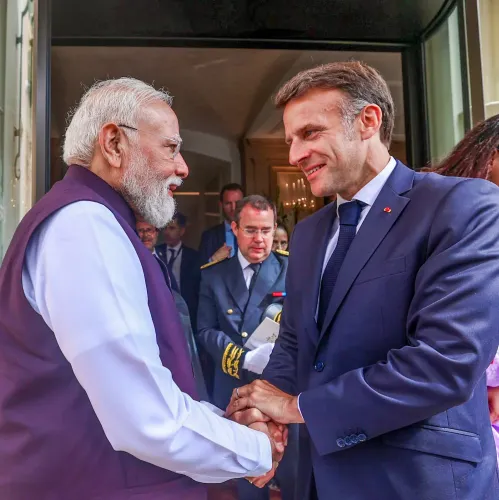
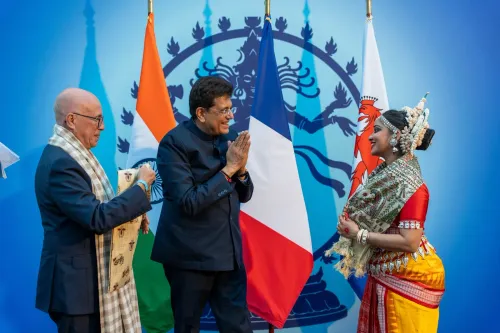
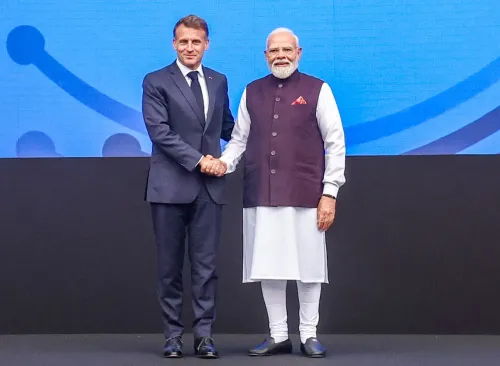
India and France have formally adopted the India-France Innovation Roadmap 2030, a bilateral framework aimed at advancing co-development in critical and emerging technologies, as both governments identified strong convergences between India's Viksit Bharat 2047 vision and France's France 2030 strategy. The announcement was made on Monday, 15 June, with the government stating that the roadmap would open new investment opportunities in disruptive innovations and deepen the two countries' technology partnership.
What the Roadmap Covers
The framework is structured around four pillars: co-development in critical and emerging technologies, strengthening trusted technology ecosystems, deepening academic and research mobility, and delivering measurable outcomes for people, sustainable development, and shared prosperity. Both governments have identified innovation as a central driver of economic resilience, strategic autonomy, and technological sovereignty.
Building on the India-France Declaration on Artificial Intelligence of February 2025, and the AI Action and Impact Summits hosted by France and India in 2025 and 2026 respectively, both countries have agreed to make 'trusted AI' a central pillar of their innovation partnership. This includes promoting AI systems that are safe, secure, and aligned with democratic values and human rights.
AI Governance and Child Safety Online
Both sides will work to prevent discrimination and the spread of misinformation through AI-enabled services, while encouraging cooperation among regulators, standards bodies, and technical experts. The goal is to advance interoperable, risk-based approaches to AI governance — covering both frontier and generative models — without stifling innovation or national development priorities.
Notably, India and France have agreed to treat child safety online as a priority within their AI partnership, acknowledging the acute risks that AI-enabled services pose to children in digital environments. Both countries also recognise the importance of privacy-preserving data sharing frameworks as essential to unlocking AI's full potential while safeguarding fundamental rights.
Education, Talent Mobility, and SMEs
Under the Horizon 2047 framework, both sides have acknowledged that investment in STEM education, research partnerships, and institutional collaboration will be critical to preparing future generations for global challenges. France has set an objective of welcoming 30,000 Indian students by 2030, and both governments have reaffirmed their commitment to strengthening people-to-people ties as a foundation of the bilateral relationship.
Several institutions from both countries have already agreed to collaborate on academic mobility through student exchanges and joint research. Additionally, both sides intend to explore further interactions between their small and medium enterprise (SME) ecosystems, recognising the role of SMEs in driving innovation, employment, and inclusive economic growth.
Strategic Significance
This comes amid a broader global recalibration of technology alliances, with major democracies seeking to build trusted supply chains and governance frameworks for emerging technologies. The India-France partnership, rooted in the 2030 Agenda for Sustainable Development, positions both nations as co-architects of rules-based technology governance. The roadmap's implementation details and institutional mechanisms are expected to be elaborated in the months ahead.
Point of View
Borrowed from EU regulatory vocabulary, signals India's willingness to align with democratic tech governance norms rather than remain a passive recipient of standards set elsewhere. The 30,000-students target is ambitious but achievable only if visa pipelines, recognition of Indian degrees, and post-study work pathways are simultaneously addressed — none of which this roadmap explicitly resolves. The SME and child-safety provisions are directionally correct but thin on mechanism; the real test will be whether implementation bodies are established with timelines, or whether this joins the archive of well-worded bilateral frameworks that produced little measurable output.
NationPress
19 Sept 2026
Frequently Asked Questions
What is the India-France Innovation Roadmap 2030?
The India-France Innovation Roadmap 2030 is a bilateral framework adopted by India and France on 15 June to guide co-development in critical and emerging technologies, trusted AI, academic mobility, and sustainable development. It draws on the convergence between India's Viksit Bharat 2047 vision and France's France 2030 strategy.
What role does AI play in the India-France partnership?
Both countries have agreed to make 'trusted AI' a central pillar of their innovation partnership, building on the India-France Declaration on Artificial Intelligence of February 2025. The focus includes safe, rights-aligned AI systems, interoperable governance frameworks, and child safety in digital environments.
How many Indian students does France aim to host by 2030?
France has set an objective of welcoming 30,000 Indian students by 2030. Both governments have reaffirmed their commitment to academic mobility through student exchanges and joint research collaboration between institutions from both countries.
What is the significance of Viksit Bharat 2047 and France 2030 in this context?
Viksit Bharat 2047 is India's long-term development vision targeting a developed economy by 2047, while France 2030 is France's industrial and innovation strategy. The two frameworks share goals around technology sovereignty, economic resilience, and sustainable growth, making them natural anchors for a joint innovation roadmap.
How will small and medium enterprises benefit from this partnership?
Both governments intend to explore further interactions between their SME ecosystems, recognising the role of small and medium enterprises in driving innovation, employment, and inclusive economic growth. Specific mechanisms are expected to be detailed as the roadmap is implemented.