PM Modi, Macron Elevate India-France Ties to Special Global Strategic Partnership
Synopsis
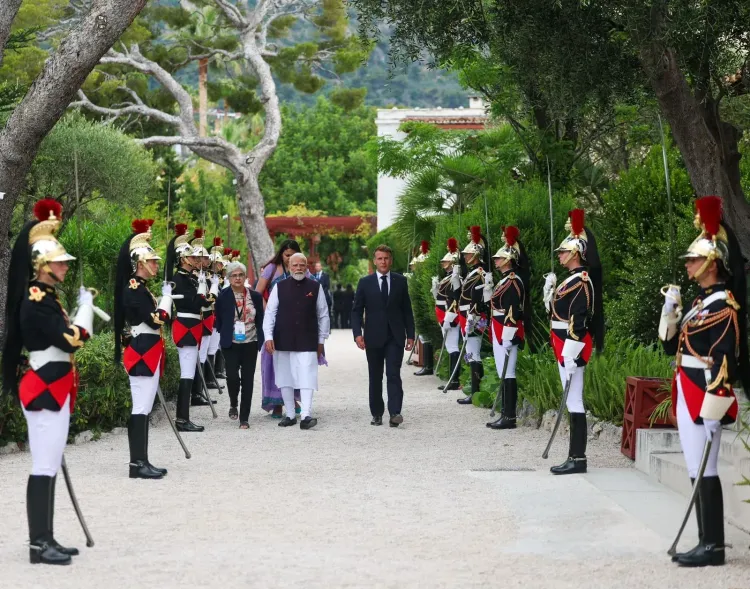
Prime Minister Narendra Modi and French President Emmanuel Macron concluded talks on June 14, 2026, by elevating the India-France relationship to a Special Global Strategic Partnership — the highest tier in India's bilateral diplomatic framework — covering defence, technology, and key sectors.
Key Takeaways
PM Modi and President Macron agreed to elevate bilateral ties to a Special Global Strategic Partnership on June 14, 2026 .
The India-France Strategic Partnership was originally established in 1998 and has been progressively deepened over nearly three decades.
The new designation mirrors earlier upgrades India granted to the United States in 2015 and Japan in 2014 .
Key areas of cooperation include defence , nuclear energy , space , and technology transfer , with the 2016 Rafale agreement as a landmark precedent.
Follow-on agreements on co-production and technology transfer are expected at future summits or multilateral forums such as the G20 .
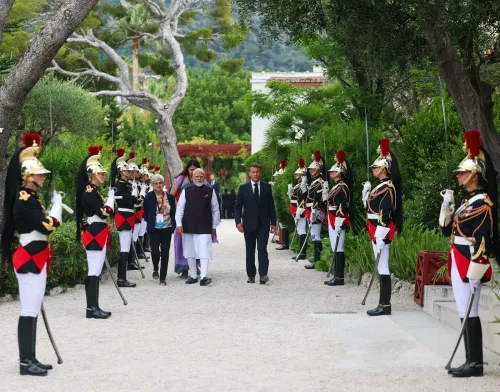
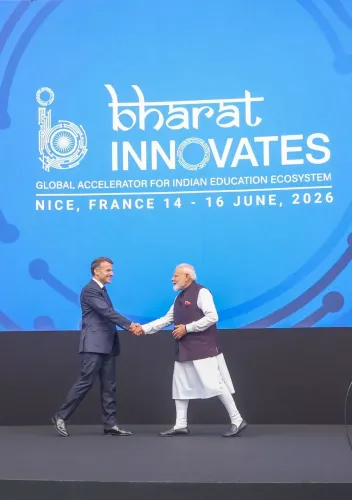
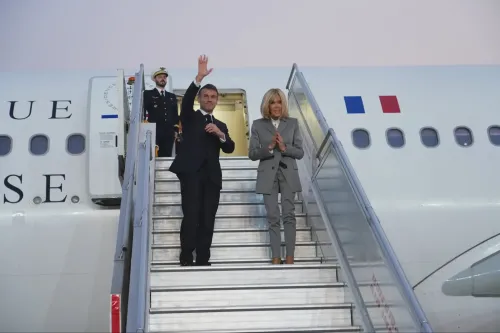
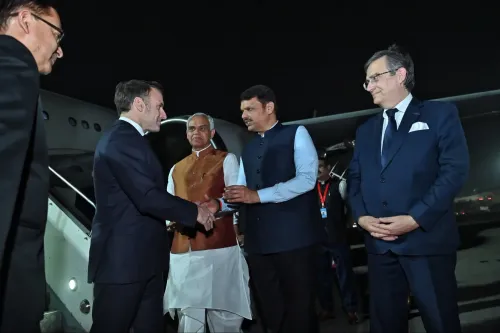
Prime Minister Narendra Modi announced on Sunday, June 14, 2026, that talks with French President Emmanuel Macron had concluded with a landmark decision to elevate the bilateral relationship to a 'Special Global Strategic Partnership' — a significant upgrade to the India-France Strategic Partnership first formalised in 1998.
Context
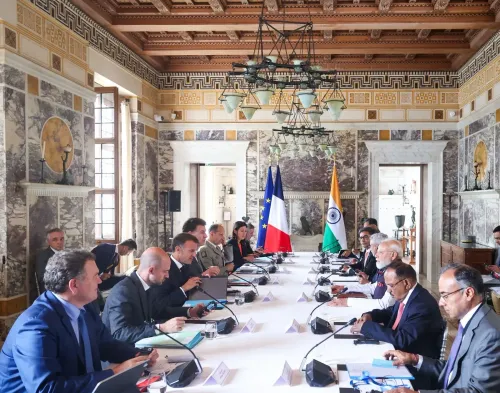
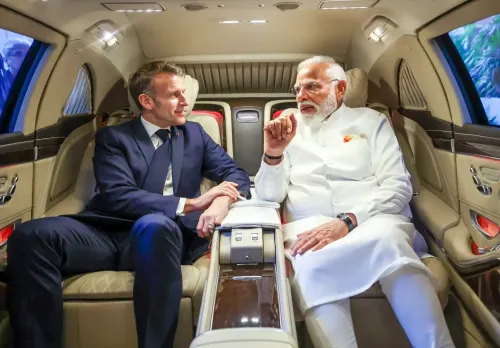
In his post on X, Prime Minister Modi described the discussions as 'exceptionally productive' and referred to President Macron as a personal friend, underscoring the warmth that has defined the bilateral relationship in recent years. The two leaders stated that the elevation reflects the 'longstanding friendship' between India and France. The talks covered 'ways to deepen cooperation in key sectors,' with details expected to follow from official government readouts.
Policy Backdrop
India and France have maintained a Strategic Partnership since 1998, when President Jacques Chirac visited New Delhi. The relationship has since deepened considerably: the 2016 Inter-Governmental Agreement for 36 Rafale combat aircraft was a defining moment in defence-industrial cooperation, and the two countries have collaborated on nuclear energy, submarine technology, space launch services, and satellite imagery. France is widely regarded as India's most privileged strategic partner in Europe.
The new designation — 'Special Global Strategic Partnership' — mirrors the language used when India upgraded its ties with the United States in 2015 and with Japan in 2014, signalling that France now occupies a similarly elevated tier in India's diplomatic architecture. India has pursued a deliberate policy of diversifying its security and technology partnerships across major democracies to reduce dependence on any single supplier.
Stakeholders and Impact
India's defence forces and aerospace sector stand to benefit most directly from a deepened partnership. Co-production and technology transfer arrangements — particularly in fighter aircraft, nuclear propulsion for submarines, and space — are the areas where an elevated strategic framework typically unlocks new industrial agreements. The Indian private defence industry, which has been encouraged to expand under the 'Make in India' initiative, could gain access to French technology and manufacturing collaboration.
Broader economic and people-to-people ties are also likely to feature in the follow-on agenda. France hosts a significant Indian diaspora and is a major destination for Indian students and professionals. Enhanced cooperation in areas such as clean energy, digital infrastructure, and civil aviation could form part of the sectoral roadmap referenced in PM Modi's post.
What's Next
Detailed joint statements and specific agreements are expected to be released through official government channels following the summit. Analysts will watch closely for the signing of co-production deals or technology-transfer frameworks — particularly in defence — that give concrete shape to the upgraded partnership tier. Multilateral forums such as the G20 and the UN General Assembly are likely venues for the two leaders to take stock of implementation progress. The elevation also sets a diplomatic precedent that could influence how India frames future partnership upgrades with other European partners.
Point of View
Reflecting New Delhi's sustained effort to build a diversified web of high-end security and technology partnerships. For Prime Minister Modi, the personal warmth with President Macron has been a consistent diplomatic asset, and formalising it in institutional language gives the relationship structural durability beyond individual leaders. The timing also reinforces India's positioning as an indispensable partner for major democracies seeking to deepen Indo-Pacific engagement. The real test will be whether the elevated framework translates into concrete co-production agreements and technology transfers in sensitive sectors such as submarine propulsion and space.
NationPress
14 Sept 2026
Frequently Asked Questions
What is the Special Global Strategic Partnership between India and France?
The Special Global Strategic Partnership is the upgraded tier of bilateral relations that India and France agreed to establish on June 14, 2026, following talks between PM Modi and President Macron. It represents the highest level of diplomatic partnership in India's bilateral framework, similar to the designations India has with the United States and Japan.
When did India and France first become strategic partners?
India and France formalised their Strategic Partnership in 1998 during a state visit by French President Jacques Chirac. The partnership has been progressively expanded through defence agreements, nuclear cooperation, and space collaboration over the past nearly three decades.
What are the key areas of India-France cooperation?
The two countries cooperate closely in defence (including the 36 Rafale aircraft agreement signed in 2016), nuclear energy, submarine technology, space launches, and satellite imagery. The 2026 summit is expected to deepen cooperation in these and other key sectors.
How does India-France partnership compare to India-US or India-Japan ties?
India upgraded its partnership with the United States to a 'Strategic and Global Partnership' in 2015 and with Japan to a 'Special Strategic and Global Partnership' in 2014. The new 'Special Global Strategic Partnership' with France places it in a similarly elevated diplomatic category.
What could follow from the Modi-Macron summit in 2026?
Analysts expect follow-on agreements on defence co-production and technology transfer, particularly in fighter aircraft, nuclear propulsion, and space. These could be tabled at the next annual bilateral summit or at multilateral forums such as the G20 or the UN General Assembly.