India slams Pakistan army's remarks on India-Afghanistan ties as 'insecurity'
Synopsis
Pakistan's military spokesperson invoked religion to push Afghanistan away from India — and New Delhi fired back, calling it a sign of raw insecurity. With Pakistan accused of bombing a Kabul hospital that killed over 400 people and expelling Afghan refugees en masse, India's growing ties with Afghanistan are exposing Islamabad's loss of strategic depth on its own western flank.
Key Takeaways
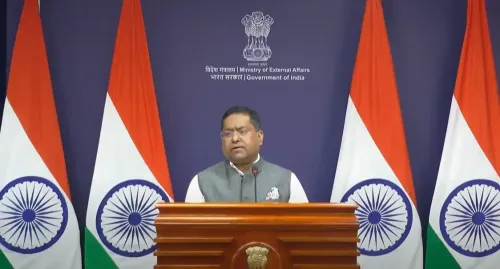
MEA spokesperson Randhir Jaiswal on 4 August called Pakistan army's remarks on India-Afghanistan ties a reflection of Islamabad's insecurity and frustration .
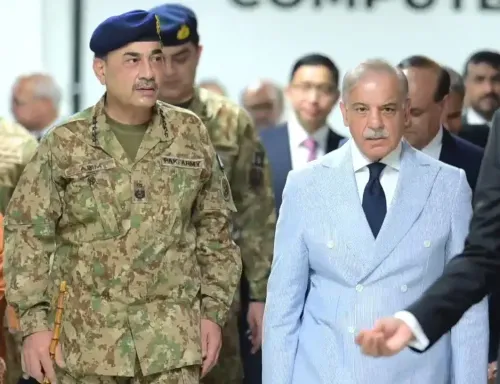
DG ISPR Lt Gen Ahmed Sharif Chaudhry had urged the Taliban to avoid 'non-believers,' invoking religion to push back against growing India-Kabul ties.
Pakistan reportedly conducted aerial strikes on Afghan border areas, including a hospital bombing in Kabul in March that killed over 400 people , according to Afghan officials.
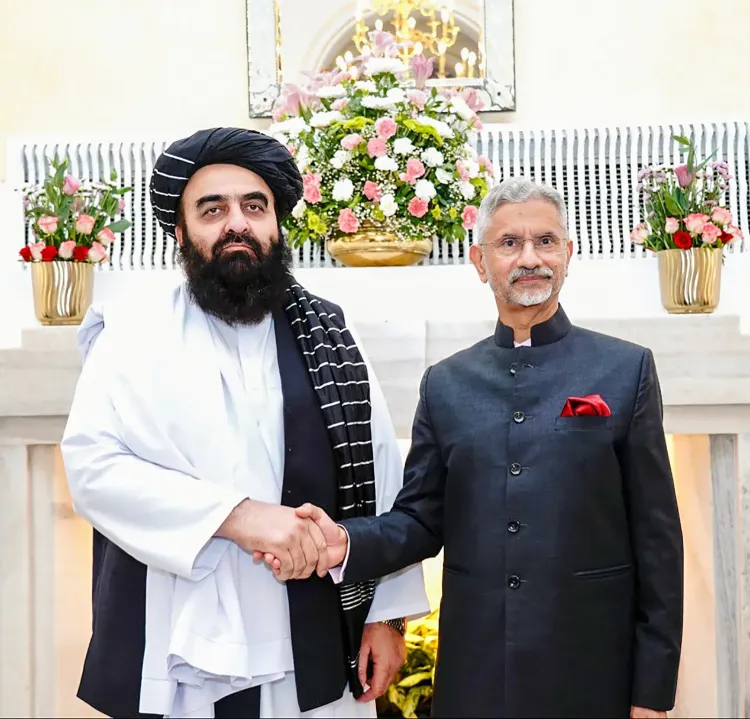
Afghan FM Muttaqi said the hospital attack, carried out during Ramadan , showed Pakistan's military 'holds no respect for human or Islamic values.' India announced deepened development cooperation with Afghanistan in healthcare, infrastructure, and capacity-building during Muttaqi's New Delhi visit in October .
India renewed its demand that Pakistan dismantle cross-border terrorist infrastructure and cited Operation Sindoor as proof of its resolve.
India's Ministry of External Affairs on Tuesday, 4 August sharply rebuked the Pakistani Army spokesperson's comments on growing India-Afghanistan ties, stating that such remarks expose Islamabad's deepening insecurity and frustration over the positive diplomatic trajectory between New Delhi and Kabul.
What the MEA Said
MEA spokesperson Randhir Jaiswal addressed the comments made by Lieutenant General Ahmed Sharif Chaudhry, Director General of Inter-Services Public Relations (DG ISPR), who had invoked religion while reacting to strengthening India-Afghanistan engagement and urged the Taliban regime to distance itself from 'non-believers' of Islam.
'Regarding the comments made by the spokesperson of the Pakistani army, I would like to say that such statements and comments reflect the Pakistani state's insecurity and frustration over the positive trajectory of India-Afghanistan ties,' Jaiswal said.
Pakistan's Conduct Toward Afghanistan
India's rebuke comes amid a broader pattern of Pakistani aggression toward its western neighbour. According to reports, Pakistan has carried out attacks on Afghan border areas, including aerial bombings — among them a strike on a hospital in Kabul in March that reportedly killed over 400 people. Pakistan has also been driving back thousands of Afghan refugees from its territory daily, according to reports.
Addressing ambassadors, heads of missions, and representatives of international organisations in Kabul on 18 March, Afghan Foreign Minister Muttaqi said the hospital attack demonstrated that Pakistan's military establishment 'has no regard for Islamic or humanitarian principles of warfare.' He noted that the assault, coming in the final days of Ramadan and on the eve of Eid al-Fitr, showed that the Pakistani military 'holds no respect for human or Islamic values.'
India-Afghanistan Engagement
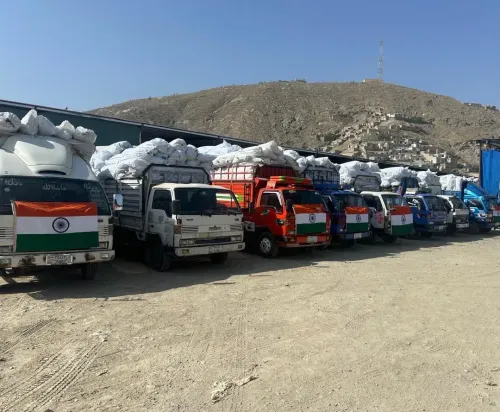
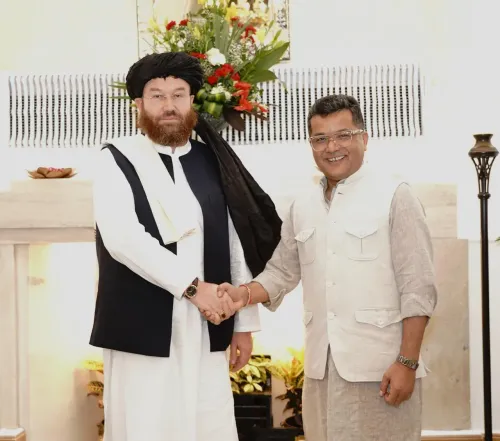
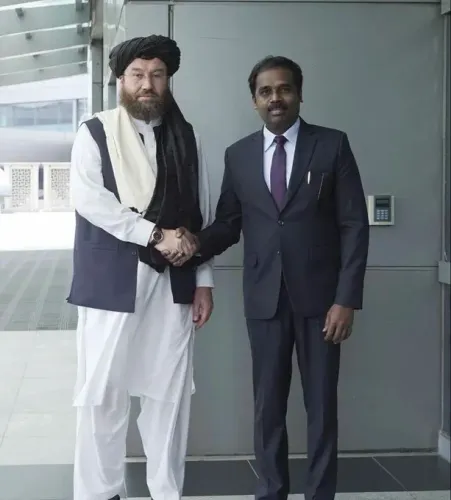
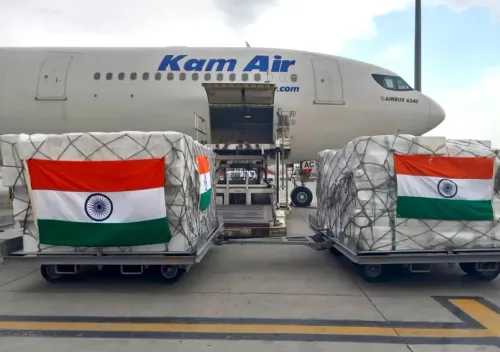
In contrast, Afghanistan has repeatedly acknowledged and thanked Indian leadership for sustained engagement and support for the Afghan people. During Muttaqi's visit to New Delhi in October, India announced plans to deepen development cooperation in Afghanistan, with a focus on healthcare, public infrastructure, and capacity-building — sectors critical to the war-torn country's economic recovery.
India's Demand on Cross-Border Terrorism
India also renewed its call on Pakistan to take decisive action against cross-border terrorism and dismantle terrorist infrastructure operating from its soil.
'We continue to call upon countries to take strong action against cross-border terrorism and those promoting it. We call upon Pakistan to take strong action against cross-border terrorism and dismantle the terrorist infrastructure operating from its soil,' Jaiswal said.
He also invoked Operation Sindoor — India's military response to cross-border terrorism last year — as a signal of New Delhi's resolve. 'Everyone witnessed India's befitting response given against terrorism during Operation Sindoor. Our stance is absolutely clear — that cross-border terrorism must cease. We will do whatever is necessary to protect our national interest,' he added.
As India-Afghanistan ties continue to deepen, the diplomatic friction with Islamabad is likely to intensify, with New Delhi showing no sign of moderating its engagement with Kabul.
Point of View
Not doctrine. Islamabad built its Afghan policy on proxy leverage for decades; watching Kabul engage New Delhi on development terms is a structural loss it has no diplomatic answer for. India's response, coupling a sharp rebuke with a renewed terrorism demand and an Operation Sindoor reference, is calibrated signalling: New Delhi is not moderating its Afghanistan engagement and is prepared to name the cost of Pakistani adventurism. The bigger question is whether the international community — which has largely looked away from the reported Kabul hospital bombing — will hold Pakistan accountable in any meaningful way.
NationPress
18 Sept 2026
Frequently Asked Questions
Why did India's MEA criticise Pakistan's army spokesperson?
India's MEA rebuked DG ISPR Lt Gen Ahmed Sharif Chaudhry for invoking religion to urge the Taliban to distance itself from India, calling the remarks a reflection of Pakistan's insecurity and frustration over the growing India-Afghanistan relationship. The statement was made on 4 August by MEA spokesperson Randhir Jaiswal.
What did Pakistan's DG ISPR say about India-Afghanistan ties?
Lt Gen Ahmed Sharif Chaudhry reportedly invoked religion while reacting to strengthening India-Afghanistan ties, urging the Taliban regime to stay away from 'non-believers' of Islam. India characterised this as an attempt to use religious framing to undermine New Delhi's engagement with Kabul.
What is India doing in Afghanistan?
India has been deepening development cooperation with Afghanistan, focusing on healthcare, public infrastructure, and capacity-building. During Afghan FM Muttaqi's visit to New Delhi in October, India announced plans to expand this engagement to support Afghanistan's economic recovery.
What happened at the Kabul hospital bombing?
A hospital in Kabul was reportedly struck in an aerial bombing in March, killing over 400 people, according to Afghan officials. Afghan FM Muttaqi said the attack — carried out in the final days of Ramadan — showed Pakistan's military 'has no regard for Islamic or humanitarian principles of warfare.' Pakistan has not been formally adjudicated responsible in an international forum.
What is Operation Sindoor and why did India invoke it?
Operation Sindoor was India's military response to cross-border terrorism, carried out last year. MEA spokesperson Jaiswal referenced it on 4 August to signal India's resolve, stating: 'We will do whatever is necessary to protect our national interest' and that cross-border terrorism must cease.