India-bound tanker crosses Hormuz safely with 270,000 MT of oil
Synopsis
An India-bound crude oil tanker carrying 270,000 metric tonnes has safely cleared the Strait of Hormuz — a chokepoint under heightened global watch — and is due at Visakhapatnam on June 3. Behind the reassuring headline is a government in active damage-control mode: ramping up LPG output, tightening delivery authentication, and directing states to crack down on fuel diversion as panic buying surfaces at pumps across the country.
Key Takeaways
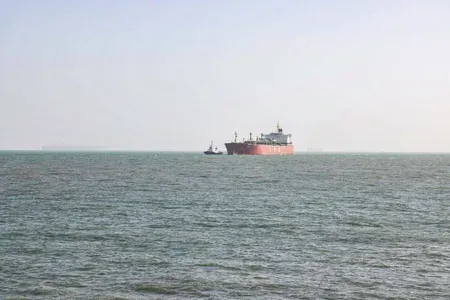
Tanker Nissos Keros carrying 270,000 MT of crude oil safely crossed the Strait of Hormuz and is expected at Visakhapatnam on 3 June .
All Indian oil refineries are operating at high capacity with adequate crude inventories.
Domestic LPG production has been increased to approximately 52 TMT per day .
Around 1.80 crore LPG cylinders were delivered in four days against bookings of 1.78 crore ; online bookings reached 99 per cent on Thursday.
The Centre has directed states to monitor district-wise fuel offtake and take penal action against unauthorised diesel procurement.
Citizens have been advised to avoid panic buying and rely on official sources for fuel supply information.
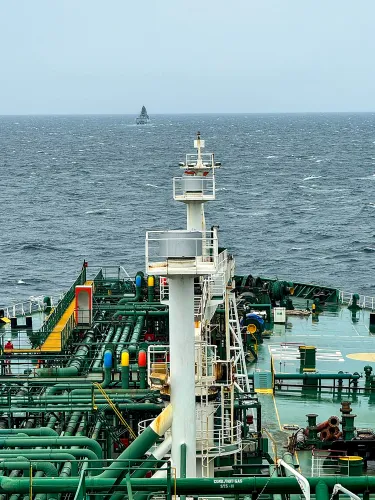
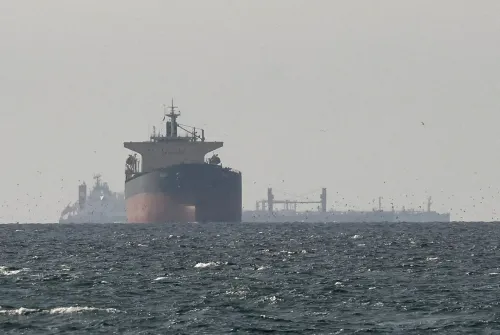
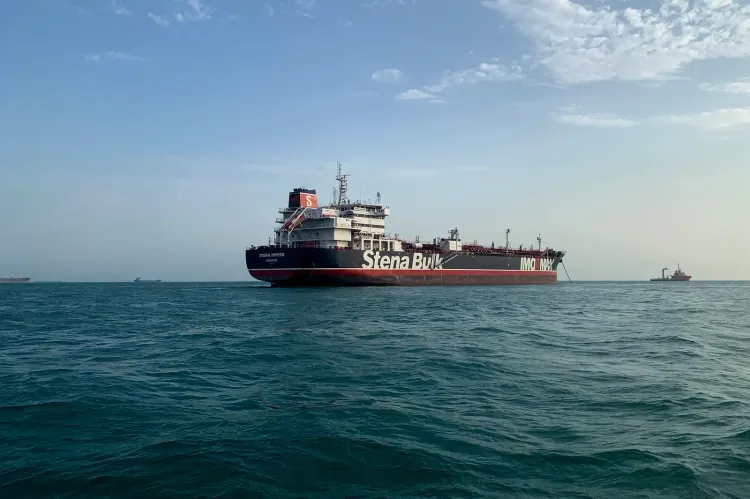
A Marshall Islands-flagged crude oil tanker, Nissos Keros, carrying approximately 270,000 metric tonnes of crude oil destined for India, has safely transited the Strait of Hormuz and is expected to dock at Visakhapatnam on 3 June, according to an official statement released on Friday, 29 May. The update comes as the Centre moves to reassure citizens about domestic fuel availability amid elevated global tensions in the region.
Refinery Operations and Crude Inventories
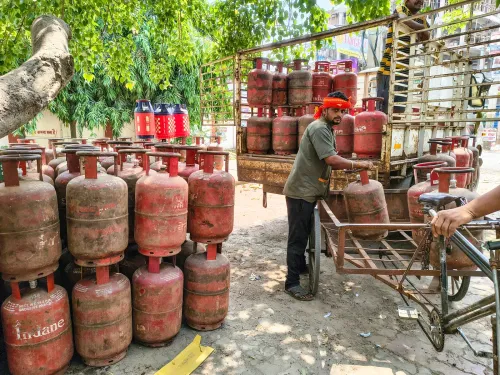
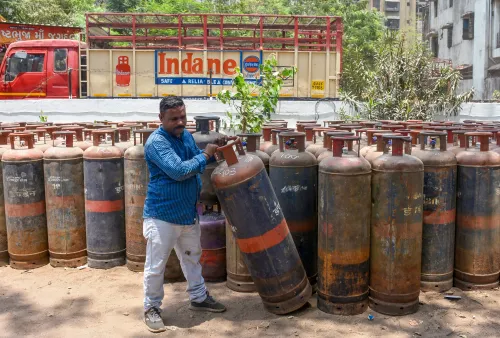
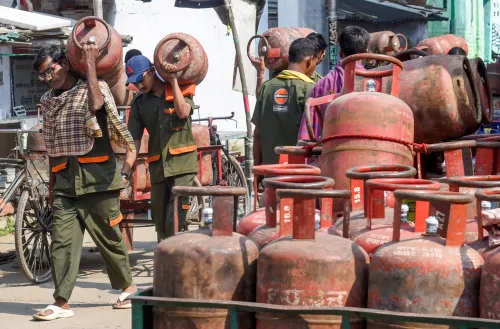
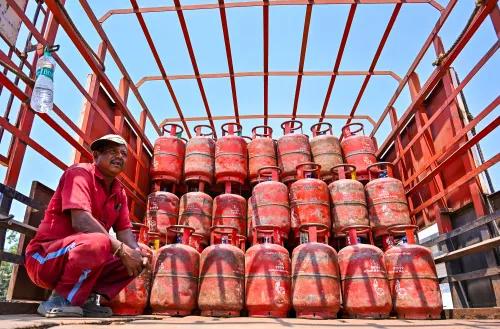
All oil refineries across India are currently operating at high capacity with adequate crude inventories in place, the statement confirmed. Domestic LPG production from refineries has been ramped up to approximately 52 TMT per day to support household and commercial consumption. Over the last four days, roughly 1.80 crore LPG cylinders were delivered against bookings of around 1.78 crore cylinders — indicating near-complete fulfilment of demand.
LPG Booking and Delivery Authentication
Online LPG cylinder bookings climbed to approximately 99 per cent on Thursday. Deliveries based on the Delivery Authentication Code (DAC) system — which uses registered mobile numbers to verify recipients — rose to around 96 per cent, a measure aimed at preventing diversion of subsidised cylinders. The government has urged LPG consumers to use digital booking platforms and avoid visiting distributors in person. Citizens have also been encouraged to switch to alternative fuels such as PNG (piped natural gas) and electric or induction cooktops where available.
Petrol and Diesel Supply: No Shortage
All petrol pumps are reported to be operating normally across the country. While unusually high sales and heavy crowding have been observed at retail outlets in certain areas — a pattern typically driven by public anxiety rather than actual scarcity — officials have confirmed that adequate stocks of petrol and diesel are available nationwide. The Centre has specifically advised bulk and industrial consumers to procure diesel through authorised channels only, and has requested all citizens to conserve energy during the current period.
Centre Directs States on Enforcement
The Centre has directed state governments to monitor and review district-wise diesel and petrol offtake patterns and intensify inspection and enforcement activities in vulnerable areas, particularly along major transportation and industrial corridors. States have been asked to take prompt penal action against violators found procuring diesel through retail outlets illegally. This comes amid concerns that commercial and industrial consumers may be diverting retail fuel supplies during periods of heightened public demand.
Government Advisory to Citizens
Authorities have explicitly asked citizens to avoid panic buying of petrol, diesel, and LPG, stressing that supply lines remain intact. The public has been urged to rely only on official sources for information and to disregard rumours circulating about fuel shortages. As the Nissos Keros makes its way to Visakhapatnam, the government's messaging is clear: domestic energy security is being actively managed, and supply disruptions are not anticipated in the near term.
Point of View
And any sustained disruption there would hit India, one of the world's largest crude importers, disproportionately hard. The government's simultaneous advisory on panic buying, LPG diversion crackdowns, and state-level enforcement suggests that while physical supply is intact, public confidence is fragile. Managing perception is now as important as managing the supply chain.
NationPress
27 Sept 2026
Frequently Asked Questions
What is the Nissos Keros and where is it headed?
Nissos Keros is a Marshall Islands-flagged crude oil tanker carrying approximately 270,000 metric tonnes of crude oil for India. It has safely crossed the Strait of Hormuz and is expected to arrive at Visakhapatnam on 3 June.
Is there a petrol or diesel shortage in India right now?
No. According to the government, all petrol pumps are operating normally and adequate stocks of petrol and diesel are available nationwide. Unusually high sales at some outlets are attributed to panic buying rather than any actual shortage.
Why has LPG production been increased?
The government has ramped up domestic LPG production from refineries to approximately 52 TMT per day to ensure sufficient supply for household and commercial consumers amid heightened public concern about fuel availability.
What is the Delivery Authentication Code (DAC) system for LPG?
The DAC system verifies LPG deliveries using the registered mobile number of the consumer, reducing the risk of cylinder diversion. DAC-based deliveries have reached approximately 96 per cent, according to the official update.
What action is the Centre taking against fuel diversion?
The Centre has directed state governments to monitor district-wise diesel and petrol offtake patterns, intensify inspections along transportation and industrial corridors, and initiate prompt penal action against industrial or commercial consumers found illegally procuring diesel through retail outlets.