India only G20 nation to meet all Paris COP21 targets ahead of schedule: Modi
Synopsis
Modi told G20 leaders directly: India is the only member-nation to have met every Paris COP21 commitment ahead of schedule. With solar capacity up from 2 GW to 160 GW, EV sales rising 950-fold since 2014, and the world's longest hydrogen train now running, India is staking a claim as the developing world's foremost climate overachiever — a powerful diplomatic card ahead of future UN climate summits.
Key Takeaways
PM Narendra Modi declared on 19 September 2026 that India is the only G20 nation to have fulfilled all Paris COP21 commitments ahead of schedule.
India's solar energy capacity has grown from approximately 2 gigawatts to over 160 gigawatts in 12 years .
Rooftop solar panels installed in more than 50 lakh households under PM Surya Ghar Muft Bijli Yojana ; solar pumps provided to 30 lakh farmers under PM-KUSUM .
Electric vehicle sales surged nearly 950 times — from under 3,000 units pre-2014 to nearly 25 lakh units last year.
India's metro rail network now spans more than 1,000 km across 20+ cities , up from 250 km in 5 cities before 2014.
Nearly 3,000 climate-resilient crop varieties developed; 24,000 natural farming clusters covering 12.5 lakh hectares established nationally.
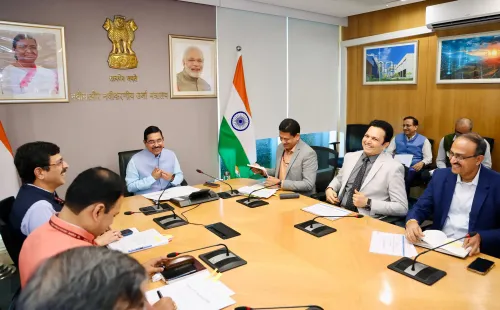
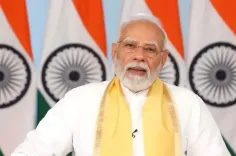
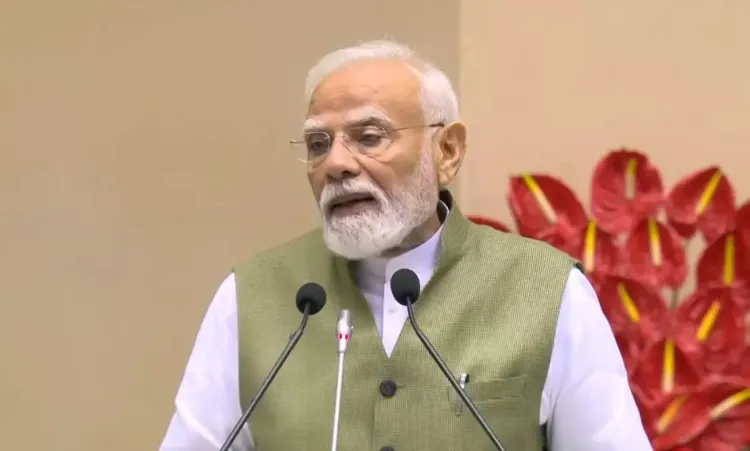
Prime Minister Narendra Modi on Saturday, 19 September 2026, declared that India is the only country among the G20 nations to have fulfilled every commitment made at the Paris COP21 Summit ahead of schedule — a claim he made directly before top G20 leaders at an international climate conference in New Delhi. The remarks came at the inauguration of the conference on 'The Future of Environment and Climate Dynamics', where Modi outlined India's record on renewable energy, clean mobility, and environmental protection.
India's Climate Record: What Modi Said
Speaking at the event, Prime Minister Modi stated: 'India is the only country in the G20... India is the only country that has fulfilled all the commitments made at the Paris COP21 Summit ahead of schedule. Non-fossil fuel, solar energy capacity, curbing carbon emissions — on every parameter, India's performance is a subject of positive discussion across the world today.'
He credited India's traditional environmental values as a guiding framework, saying the country is moving forward by integrating ancient principles of environmental stewardship into a modern development vision. Platforms such as the International Solar Alliance, Coalition for Disaster Resilient Infrastructure (CDRI), Global Biofuels Alliance, International Big Cat Alliance, and Mission LiFE (Lifestyle for Environment) were cited as instruments of India's multilateral climate commitments.
Solar and Renewable Energy Milestones
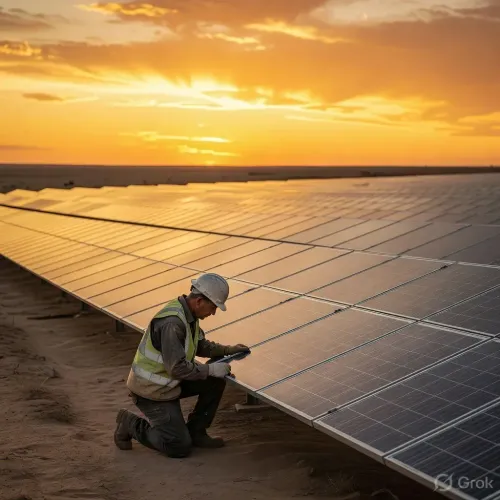
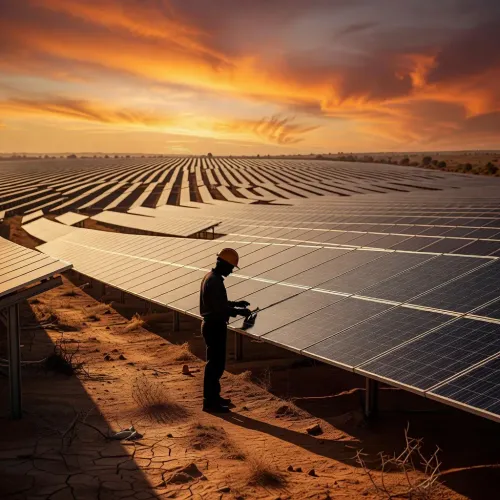
Modi highlighted a dramatic expansion in India's solar energy capacity, noting that approximately 12 years ago the country's installed solar power stood at around 2 gigawatts — a figure that has since crossed 160 gigawatts. He attributed India's solar success, in part, to reduced carbon emissions: through solar energy alone, the country has reportedly curbed nearly 20 crore tonnes of carbon emissions.
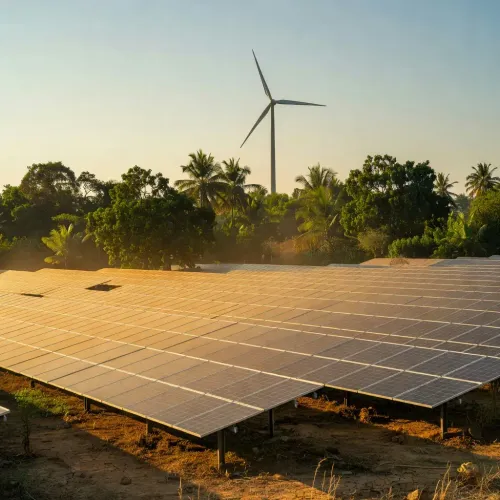
Under the PM Surya Ghar Muft Bijli Yojana, rooftop solar panels have been installed in more than 50 lakh households, with government financial assistance of up to approximately ₹80,000 per household. The PM-KUSUM scheme has extended solar pump installations to the fields of 30 lakh farmers. Modi also pointed to wind energy capacity growing three-fold over the past 12 years, alongside growth in hydro power and an accelerating push into nuclear energy generation.
Clean Mobility and the EV Surge
On electric mobility, Modi cited a 950-fold increase in electric vehicle sales over 12 years. Fewer than 3,000 EVs were sold in India in the year before 2014; last year, that figure reached nearly 25 lakh (2.5 million) units. India's first hydrogen train — described as the world's longest hydrogen train — was flagged off just days before the conference, marking what Modi called the beginning of a new era in clean mobility.
The Prime Minister also referenced the FASTag system on national highways and expressways, saying reduced waiting times at toll plazas have cut fuel wastage. On urban transit, he noted that India's metro rail network has grown from roughly 250 kilometres across 5 cities before 2014 to more than 1,000 kilometres across 20-plus cities today, placing India among nations with the largest metro networks globally.
Agriculture, Natural Farming, and Tree Planting
Modi spoke about the National Mission on Natural Farming, under which 24,000 clusters covering nearly 12.5 lakh hectares have been established across the country. He said nearly 3,000 varieties of climate-resilient crops have been developed to strengthen agriculture against shifting environmental conditions.
Under the 'Ek Ped Maa Ke Naam' (One Tree in Mother's Name) campaign, crores of trees have been planted nationwide, with the movement described as continuing to grow steadily.
Significance and What Comes Next
India's claim of being the sole G20 nation to have met all Paris COP21 targets ahead of schedule, if independently verified, would mark a significant diplomatic and environmental milestone ahead of future UN climate negotiations. This comes amid intensifying global pressure on major economies to accelerate decarbonisation timelines. Notably, India's renewable energy ambitions are now underpinned by a growing suite of multilateral platforms that Modi is positioning as models for the Global South. The country's trajectory on green hydrogen and nuclear energy will likely be the next frontier of scrutiny at upcoming international climate forums.
Point of View
While striking, deserve independent benchmarking. India's per-capita emissions remain low by developed-world standards, which partly explains the relative ease of meeting targets set in 2015. The 950-fold EV rise sounds dramatic, but the base (under 3,000 units) was negligible, and absolute penetration of EVs in India's total vehicle fleet remains thin. The more consequential test will come as India accelerates nuclear and green hydrogen — sectors where regulatory speed and social acceptance, not just political will, determine outcomes. India's climate narrative is increasingly a geopolitical asset, positioning it as the Global South's model reformer, but credibility depends on third-party verification of the numbers being placed before world leaders.
NationPress
19 Sept 2026
Frequently Asked Questions
What did PM Modi claim about India and the Paris COP21 commitments?
PM Modi said on 19 September 2026 that India is the only G20 country to have fulfilled all commitments made at the Paris COP21 Summit ahead of schedule. He made the claim directly before top G20 leaders at a climate conference in New Delhi, citing India's performance on non-fossil fuel targets, solar energy capacity, and carbon emission reductions.
How much has India's solar energy capacity grown?
India's solar energy capacity has grown from approximately 2 gigawatts about 12 years ago to over 160 gigawatts as of 2026. Through solar energy alone, India has reportedly curbed nearly 20 crore tonnes of carbon emissions.
How many electric vehicles are sold in India today compared to before 2014?
Fewer than 3,000 EVs were sold in India in the year before 2014; last year, nearly 25 lakh (2.5 million) EVs were sold — a rise of approximately 950 times. PM Modi cited this surge as evidence of India seizing the EV revolution.
What is India's PM Surya Ghar Muft Bijli Yojana?
PM Surya Ghar Muft Bijli Yojana is a government scheme aimed at making homes centres of solar power generation through rooftop solar panel installation. So far, panels have been installed in more than 50 lakh households, with financial assistance of up to approximately ₹80,000 per household provided by the government.
What new clean mobility developments did PM Modi highlight?
Modi highlighted India's first hydrogen train — described as the world's longest hydrogen train — which was flagged off just days before the conference. He also noted that India's metro rail network now exceeds 1,000 kilometres across 20-plus cities, compared to roughly 250 km across 5 cities before 2014, and cited rapid EV adoption and the FASTag system as additional clean mobility milestones.