India-South Africa first Army Staff Talks held in New Delhi, 16–18 Sep 2026
Synopsis
India and South Africa conducted their first-ever Army-to-Army Staff Talks in New Delhi — a structurally new chapter in a relationship that has long been political but lacked a formal military channel. Coming days after Modi and Ramaphosa met at the BRICS Summit, the talks signal a deliberate Indian push to convert Global South solidarity into hard defence architecture across Africa.
Key Takeaways
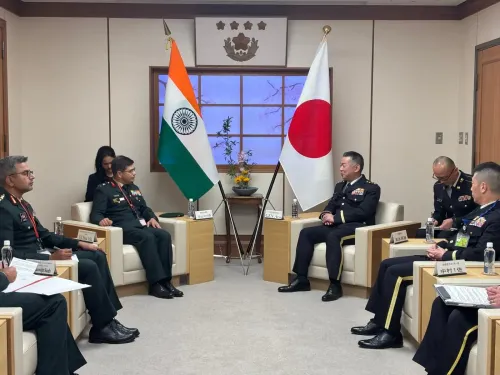
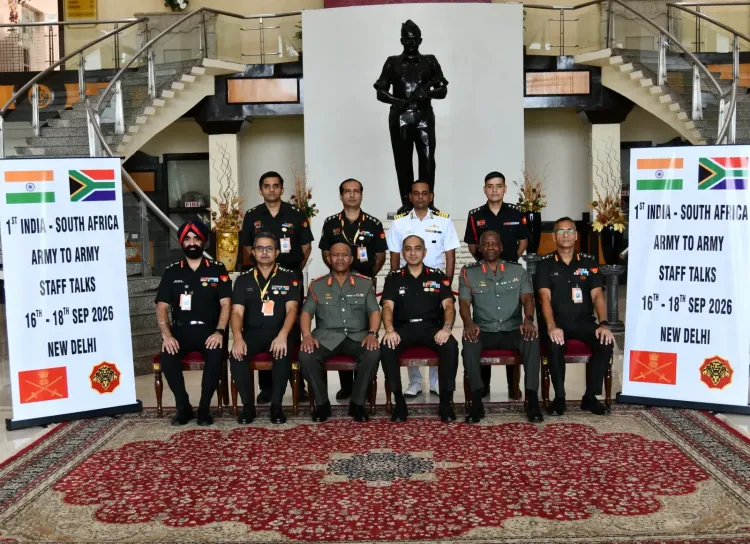
India and South Africa held their first Army-to-Army Staff Talks (AAST) in New Delhi from 16 to 18 September 2026 .
Discussions centred on expanding training exchanges and joint capacity-building initiatives.
The South African delegation visited India's AI infusion initiatives and the 505 Army Base Workshop .
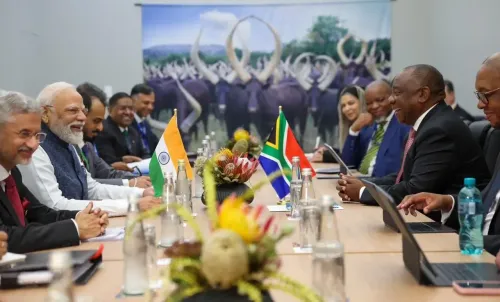
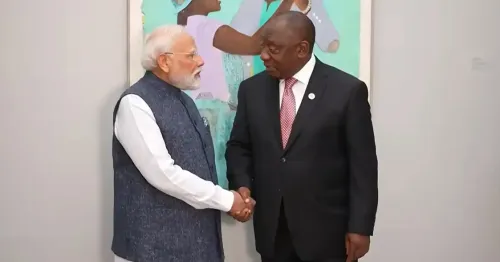
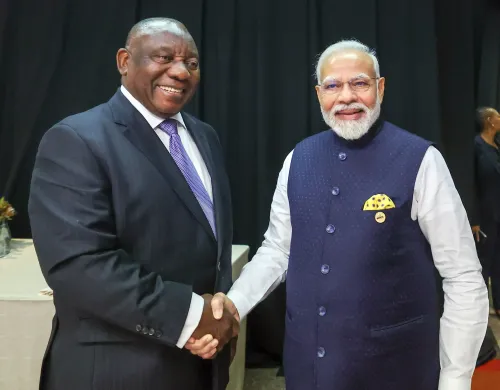
PM Modi and President Ramaphosa met on the sidelines of the 18th BRICS Summit in New Delhi, reviewing the full India-South Africa Strategic Partnership.
Key bilateral areas include the India-SACU trade agreement , critical minerals, infrastructure, food security, and digital public infrastructure.
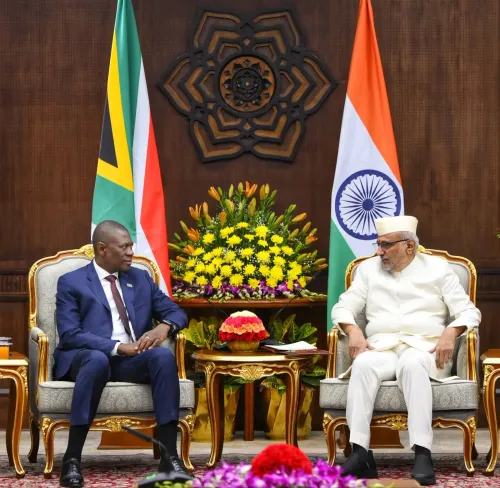
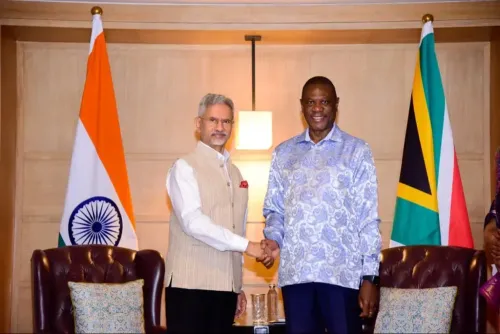
India and South Africa conducted their first-ever Army-to-Army Staff Talks (AAST) in New Delhi from 16 to 18 September 2026, marking a landmark step in military-to-military engagement between the two nations. The talks focused on expanding bilateral defence cooperation through structured training exchanges and joint capacity-building programmes.
Key Developments at the Talks
The Indian Army confirmed the conclusion of the maiden AAST, describing the three-day dialogue as a significant milestone in strengthening ties with the South African National Defence Force. Both delegations explored concrete avenues to deepen cooperation, with an emphasis on operational training and institutional capacity building.
During the visit, the South African delegation was taken to the Indian Army's AI infusion initiatives and the 505 Army Base Workshop, where they received firsthand exposure to India's technology-driven transformation and indigenous defence manufacturing capabilities. The showcase underlined India's growing pitch to position itself as a credible defence partner for African nations.
Modi-Ramaphosa Meeting Sets the Tone
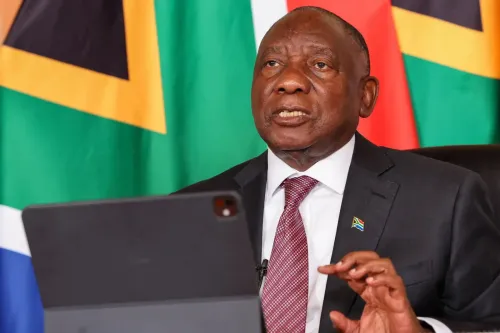
The Army-level talks followed closely on the heels of a high-profile bilateral meeting between Prime Minister Narendra Modi and South African President Cyril Ramaphosa on the sidelines of the 18th BRICS Summit in New Delhi. The two leaders reviewed progress across the India-South Africa Strategic Partnership, covering domains including mining and critical minerals, infrastructure, food security, digital public infrastructure (DPI), and emerging technologies.
The Ministry of External Affairs (MEA) noted in a statement that Modi and Ramaphosa 'affirmed that the close and longstanding relations between India and South Africa is rooted in shared historical struggles, strong cultural affinities, robust economic ties, and deep people-to-people connections.'
Prime Minister Modi, in a post on X following his meeting with Ramaphosa, wrote: 'Delighted to meet President Cyril Ramaphosa on the sidelines of the BRICS Summit in Delhi. We reviewed the full breadth of the India-South Africa Strategic Partnership including: The India-SACU trade agreement. Mining and critical minerals. Infrastructure. Food security. DPI and emerging technologies. Skilling. Our partnership is rooted in history and firmly focused on the future. We will work closely for Africa's progress, the priorities of the Global South and a more balanced global order.'
Strategic Significance of the Engagement
The timing and scope of the AAST carry notable strategic weight. This is the first institutionalised military-to-military dialogue between the two armies, elevating what has historically been a relationship grounded in political solidarity — born of both nations' anti-colonial legacies — into a structured defence architecture. Notably, the talks come as India actively seeks to expand its strategic footprint across the African continent through the Global South framework.
The focus on AI initiatives and indigenous defence technology during the South African delegation's visit also signals India's intent to export its defence modernisation model, not just arms and equipment, to partner nations.
What Comes Next
The two sides are expected to follow up the inaugural AAST with further rounds of staff talks, potentially leading to formalised training exchange programmes and joint exercises. The broader bilateral agenda, including the India-SACU trade agreement and critical minerals cooperation, is also set to advance on the back of the Modi-Ramaphosa summit-level commitment. Analysts will watch whether the defence dialogue translates into concrete procurement or joint production arrangements in the months ahead.
Point of View
Not merely a supplier. What is missing so far is any signal of joint exercises, procurement pipelines, or production-sharing arrangements, without which the talks remain symbolically significant but operationally thin. The real test will be whether successive AAST rounds produce binding commitments or remain on the 'cooperation' shelf alongside dozens of similar bilateral frameworks.
NationPress
19 Sept 2026
Frequently Asked Questions
What are the India-South Africa Army-to-Army Staff Talks?
The Army-to-Army Staff Talks (AAST) are a newly established bilateral military dialogue between the Indian Army and the South African National Defence Force. The inaugural edition was held in New Delhi from 16 to 18 September 2026, focusing on expanding training exchanges and joint capacity-building.
Why are these talks significant?
They mark the first institutionalised military-to-military engagement between India and South Africa, converting a historically political relationship into a structured defence framework. The talks also follow a Modi-Ramaphosa summit meeting, signalling high-level political backing for the expanded partnership.
What did PM Modi and President Ramaphosa discuss at the BRICS Summit?
The two leaders reviewed the full breadth of the India-South Africa Strategic Partnership, covering the India-SACU trade agreement, mining and critical minerals, infrastructure, food security, digital public infrastructure, and skilling. They also expressed a shared commitment to advancing Africa's progress and the priorities of the Global South.
What technology did India showcase to the South African delegation?
The South African delegation visited the Indian Army's AI infusion initiatives and the 505 Army Base Workshop, gaining insights into India's technology-driven defence transformation and indigenous capabilities. This was seen as part of India's broader effort to present itself as a defence modernisation partner.
What are the next steps following the Staff Talks?
Both sides are expected to hold further rounds of Army Staff Talks, potentially leading to formalised training exchange programmes and joint exercises. Broader bilateral commitments on the India-SACU trade agreement and critical minerals cooperation are also set to advance following the summit-level endorsement by Modi and Ramaphosa.