PM Modi at Rozgar Mela: India's startup story now rooted in Tier-2 and Tier-3 cities
Synopsis
At the 20th Rozgar Mela, Modi didn't just hand out 51,000 appointment letters — he reframed India's startup narrative. With nearly half of all recognised startups now in Tier-2 and Tier-3 cities, and a ₹1 lakh crore Rozgar Yojana targeting 2 crore first-time workers, the government is betting that India's next employment engine runs through its small towns, not its metros.
Key Takeaways
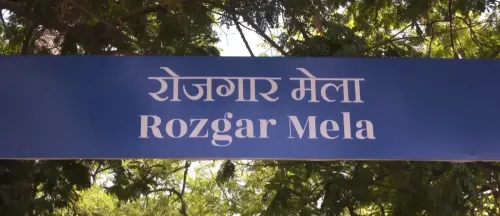
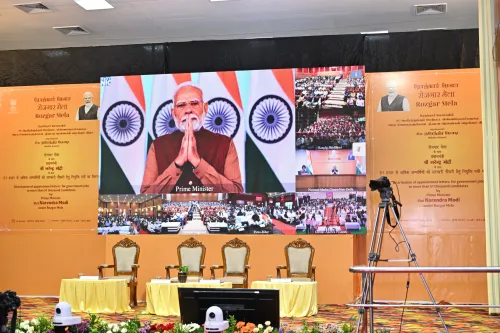
PM Modi distributed over 51,000 appointment letters at the 20th Rozgar Mela on 19 September 2026 , held across 45 locations .
Nearly half of India's recognised startups are now located in Tier-2 and Tier-3 cities , with India ranked the world's third-largest startup ecosystem .
The Pradhan Mantri Viksit Bharat Rozgar Yojana carries an outlay of approximately ₹1 lakh crore to boost private-sector employment.
Around 2 crore youth will enter the workforce for the first time under the scheme, with a government incentive of up to ₹15,000 per first-time job seeker.
Over 1.70 crore government employees have enrolled on the iGOT Karmayogi platform ; new recruits gain access to 'Karmayogi Prarambh' .
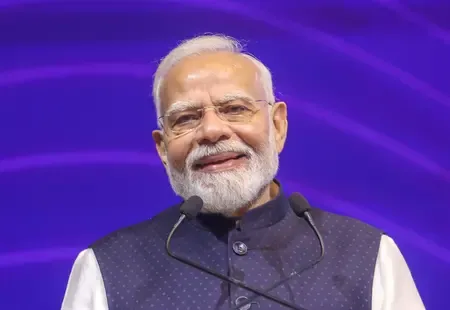
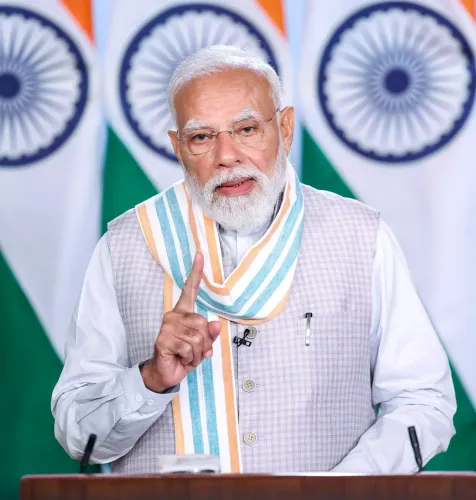
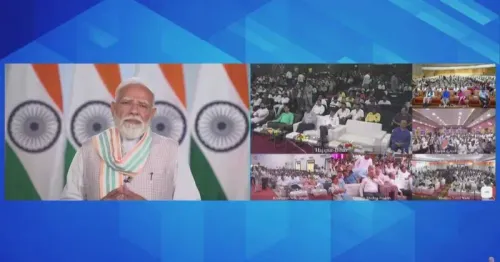
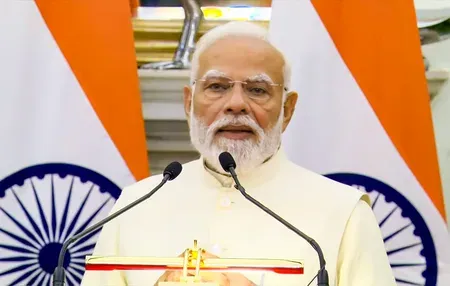
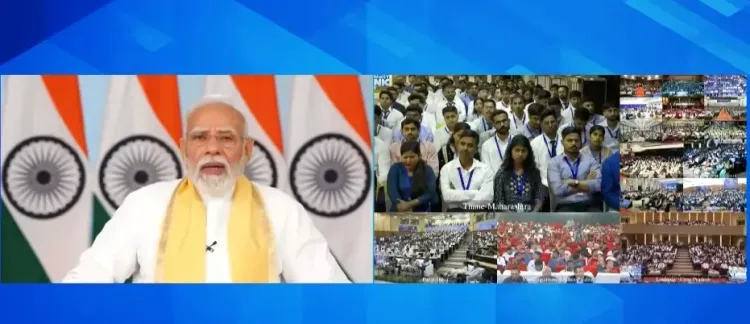
Prime Minister Narendra Modi on Saturday, 19 September 2026, declared that India's startup revolution has moved decisively beyond metro cities, with nearly half of all recognised startups now based in Tier-2 and Tier-3 cities. He made these remarks while distributing over 51,000 appointment letters to newly recruited government employees at the 20th Rozgar Mela, held simultaneously across 45 locations nationwide.
India's Startup Ecosystem: A Tier-2 and Tier-3 Story
Addressing the gathering, Prime Minister Modi underscored a structural shift in India's entrepreneurial landscape. "India today is the world's third-largest startup ecosystem, and India's startup story is no longer a story confined only to big cities. Today, nearly half of the recognised startups are located in Tier-2 and Tier-3 cities," he said.
He added that youth from villages, towns, and smaller urban centres are now working on original ideas, founding companies, and generating fresh employment for their peers. "Our youth from smaller towns are working on their own ideas, establishing new companies, and generating fresh employment opportunities for other young people alongside themselves," Modi said.
₹1 Lakh Crore Rozgar Yojana and Incentives for First-Time Job Seekers
The Prime Minister highlighted the Pradhan Mantri Viksit Bharat Rozgar Yojana, launched with an outlay of approximately ₹1 lakh crore, as the government's flagship vehicle for private-sector employment creation. Under the scheme, around 2 crore youth are set to enter the workforce for the first time, with the government offering an incentive of up to ₹15,000 per first-time job seeker. Employers who create new jobs will also be eligible for incentives.
"Our endeavour is to ensure that new employment opportunities also expand rapidly in the private sector. With this vision, the Pradhan Mantri Viksit Bharat Rozgar Yojana has been launched," Modi said. He reiterated that economic growth, rising investments, new industries, and expanding sectors are the prerequisites for sustained job creation.
A Call to Service: What the PM Told the New Recruits
Addressing the 51,000-plus new government employees directly, Modi urged them to treat their entry into public service as a personal mission. "Now you yourselves are going to become an integral part of the government system. Therefore, your endeavour should be that the difficulties you faced, or the hardships your parents had to endure, should not have to be experienced by other youth," he said.
He positioned government service not just as a livelihood but as an opportunity to eliminate systemic barriers for future citizens — framing it as a mission to be taken up from day one of joining.
Mission Karmayogi and Continuous Skilling
Modi drew attention to the Mission Karmayogi initiative, designed to provide lifelong learning support to government employees. He noted that over 1.70 crore government employees have already enrolled on the iGOT Karmayogi platform. For the newest batch, a dedicated module called 'Karmayogi Prarambh' has been specially developed.
"You have arrived here through constant learning, and from this point onward, a new journey of lifelong learning begins. You must continuously hone your skills and understand new technologies and systems," he told the recruits, adding that self-improvement was the surest path to better citizen service.
Rozgar Mela: Scope and Significance
The 20th Rozgar Mela continues the government's programme of large-scale, simultaneous government-recruitment drives held across multiple cities. The 45-location format ensures that recruits from smaller towns receive their appointment letters without travelling to the national capital — itself a nod to the decentralisation theme Modi articulated in his speech. The cumulative count of appointment letters distributed across all Rozgar Melas is a metric the government has consistently highlighted as evidence of its employment push. All eyes will now be on the uptake and outcomes of the Pradhan Mantri Viksit Bharat Rozgar Yojana as its implementation timelines unfold.
Point of View
But 'recognised' is not the same as 'funded' or 'scaled' — the bulk of venture capital and high-growth exits remain concentrated in Bengaluru, Mumbai, and Delhi-NCR. The ₹1 lakh crore Rozgar Yojana is also yet to prove its disbursement pace; incentive-linked employment schemes have historically struggled with last-mile verification. The real measure of this agenda will be whether the first-time job seeker incentive translates into durable employment or short-cycle formal registration that masks informal work.
NationPress
19 Sept 2026
Frequently Asked Questions
What is the Pradhan Mantri Viksit Bharat Rozgar Yojana?
It is a government employment scheme with an outlay of approximately ₹1 lakh crore, aimed at helping around 2 crore youth enter the workforce for the first time. First-time job seekers receive an incentive of up to ₹15,000, and employers who create new jobs are also eligible for incentives.
What did PM Modi say about India's startup ecosystem at the Rozgar Mela?
Modi said India is now the world's third-largest startup ecosystem and that nearly half of all recognised startups are located in Tier-2 and Tier-3 cities — signalling a geographic shift away from metro-centric entrepreneurship. He credited youth from villages and small towns for driving this expansion.
How many appointment letters were distributed at the 20th Rozgar Mela?
Over 51,000 appointment letters were distributed to newly recruited government employees at the 20th Rozgar Mela on 19 September 2026. The event was held simultaneously across 45 locations across India.
What is Mission Karmayogi and how does it affect new government recruits?
Mission Karmayogi is a government initiative to support continuous learning among civil servants through the iGOT Karmayogi digital platform, which has over 1.70 crore enrolled employees. New recruits joining through the Rozgar Mela have access to a specially designed onboarding module called 'Karmayogi Prarambh'.
Why is the government holding Rozgar Melas across multiple cities?
The multi-location format — 45 cities in this edition — ensures recruits from smaller towns and cities can receive their appointment letters locally, reducing barriers and reinforcing the government's decentralisation agenda. It also serves as a public demonstration of the scale of government hiring under the current administration.