India represents at Khamenei funeral in Tehran, July 2025
Synopsis
India sent a ministerial-level delegation — MoS for External Affairs Pabitra Margherita and Bihar Governor Lt Gen Syed Ata Hasnain — to Ayatollah Khamenei's funeral in Tehran, signalling New Delhi's intent to preserve strategic ties with Iran even as the country navigates a historic leadership transition following the February attack that killed its Supreme Leader.
Key Takeaways
MoS Pabitra Margherita and Bihar Governor Lt Gen Syed Ata Hasnain represented India at Ayatollah Khamenei's funeral in Tehran on 3 July .
Khamenei was killed on 28 February in an attack attributed to the US and Israel , ending 46 years of his leadership.
His son Mojtaba Khamenei was selected as Iran's new Supreme Leader in March .
Foreign Secretary Vikram Misri had signed the condolence book at the Iranian Embassy in New Delhi on 5 March .
Final funeral rites will conclude in Mashhad on 9 July , with burial at the shrine of Imam Reza .
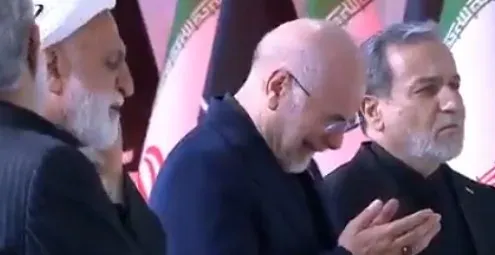
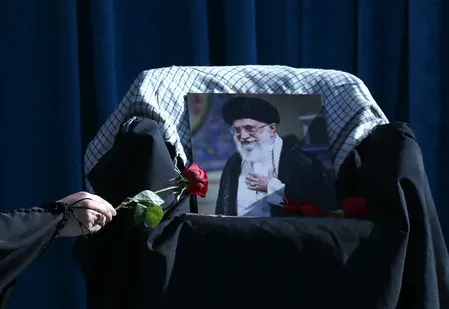
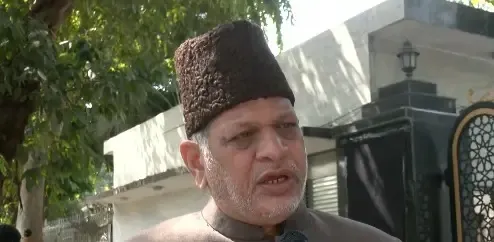
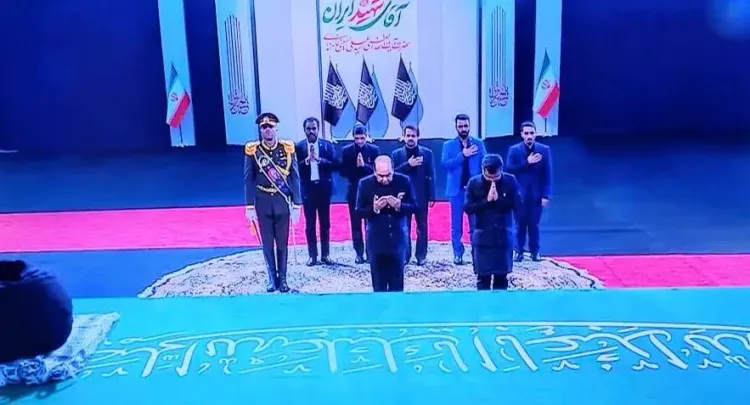
Minister of State for External Affairs Pabitra Margherita and Bihar Governor Lieutenant General Syed Ata Hasnain (retired) represented India at the funeral ceremony of former Iranian Supreme Leader Ayatollah Seyyed Ali Khamenei in Tehran on 3 July. The high-level delegation conveyed condolences on behalf of both the Indian government and its people.
India's Official Representation
'Governor of Bihar Lieutenant General Syed Ata Hasnain and I represented India at the funeral ceremony for Ayatollah Seyyed Ali Khamenei, former Supreme Leader of Iran, in Tehran. Conveyed our respects on behalf of the government and the people of India,' MoS Margherita wrote on social media platform X.
The Ministry of External Affairs (MEA) underlined the significance of the delegation's presence, stating that 'the high-level representation in the ceremony underscores the importance of civilisational ties, including people-to-people connection, between the two countries, providing a robust foundation to political and economic engagements.'
Background: Khamenei's Death and Succession
Khamenei was killed on 28 February in what has been described as an epochal attack by the United States and Israel — a moment widely regarded as an inflexion point in Iran's 46-year Shia-theocratic rule. His son, Mojtaba Khamenei, was subsequently selected as Iran's new Supreme Leader in March.
India had moved swiftly to express condolences even earlier. On 5 March, Foreign Secretary Vikram Misri visited the Iranian Embassy in New Delhi, signed the condolence book on behalf of the Indian government and people, and met Iranian Ambassador to India Mohammad Fathali. MEA spokesperson Randhir Jaiswal confirmed the visit in a post on X.
Funeral Schedule Across Iran
Farewell ceremonies are scheduled at Imam Khomeini's Mosalla prayer hall in Tehran on 4–5 July, followed by a funeral procession in Tehran on 6 July. A second procession is planned in Qom on 7 July. The final ceremony will be held in Mashhad on 9 July, after which Khamenei will be buried at the holy shrine of Imam Reza, according to reports.
India-Iran Ties in Focus
New Delhi's decision to send a ministerial-level delegation reflects the strategic depth of its relationship with Tehran, which spans energy cooperation, the Chabahar Port agreement, and longstanding cultural linkages. This comes amid a period of significant geopolitical flux in West Asia following Khamenei's death and the transition of leadership in Iran. How the new Supreme Leader Mojtaba Khamenei shapes Iran's foreign policy — including its posture toward India — will be closely watched in the months ahead.
Point of View
Measured enough to avoid overcommitment during a volatile transition. New Delhi has historically maintained a transactional but durable relationship with Tehran, anchored by Chabahar and energy imports. The real diplomatic question now is how quickly India establishes working ties with Mojtaba Khamenei's administration, and whether the new leadership will honour existing agreements or use the transition to renegotiate terms. Mainstream coverage has focused on the ceremony; the harder story is what India's Iran policy looks like in the next 12 months.
NationPress
2 Oct 2026
Frequently Asked Questions
Who represented India at Ayatollah Khamenei's funeral in Tehran?
Minister of State for External Affairs Pabitra Margherita and Bihar Governor Lieutenant General Syed Ata Hasnain (retired) represented India at the funeral ceremony held in Tehran on 3 July. They conveyed condolences on behalf of the Indian government and people.
How did Ayatollah Khamenei die?
Ayatollah Seyyed Ali Khamenei was killed on 28 February in an attack attributed to the United States and Israel. His death marked a historic inflexion point in Iran's 46-year Shia-theocratic rule.
Who is Iran's new Supreme Leader after Khamenei?
Mojtaba Khamenei, son of Ayatollah Seyyed Ali Khamenei, was selected as Iran's new Supreme Leader in March, following his father's death in February.
What is the schedule for Khamenei's funeral ceremonies?
Farewell ceremonies are being held at Imam Khomeini's Mosalla in Tehran on 4–5 July, with a procession in Tehran on 6 July, another in Qom on 7 July, and the final ceremony in Mashhad on 9 July. Burial will take place at the holy shrine of Imam Reza in Mashhad.
How has India responded diplomatically to Khamenei's death?
India responded at multiple levels: Foreign Secretary Vikram Misri signed the condolence book at the Iranian Embassy in New Delhi on 5 March, and a ministerial delegation attended the formal funeral ceremony in Tehran on 3 July. The MEA cited civilisational and people-to-people ties as the basis for the high-level representation.