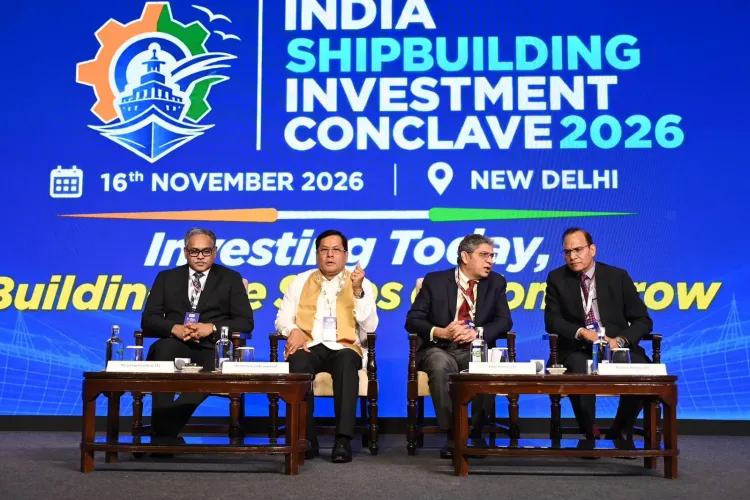
Sonowal chairs Global Maritime Leaders' Open House at Shipbuilding Conclave 2026
Synopsis
Union Minister Sarbananda Sonowal chaired the Global Maritime Leaders' Open House at the India Shipbuilding Investment Conclave 2026 on November 16, engaging shipbuilders and marine equipment manufacturers as India pushes to claim a larger share of a sector dominated by China, South Korea and Japan.
Key Takeaways
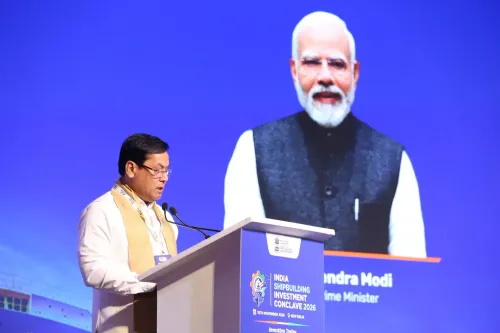
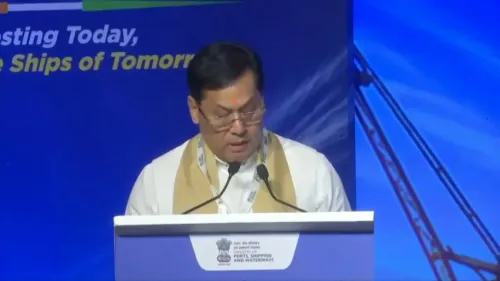
Sarbananda Sonowal chaired the Global Maritime Leaders' Open House at the India Shipbuilding Investment Conclave 2026 on November 16, 2026 .
The session brought together shipbuilders, marine equipment manufacturers, and broader maritime ecosystem stakeholders.
India's shipbuilding push is part of the larger Atmanirbhar Bharat manufacturing agenda, aiming to reduce dependence on China, South Korea, and Japan .
The Sagarmala Project , launched in 2015 , laid the port-led development framework underpinning current shipbuilding ambitions.
Investment commitments and technology partnership announcements from the conclave are the key near-term indicators to watch.
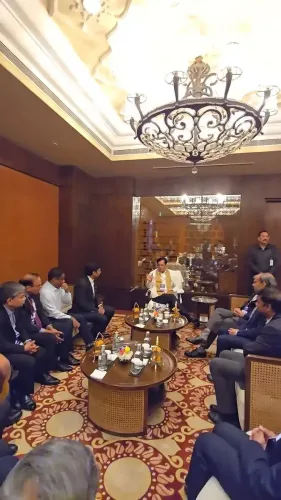
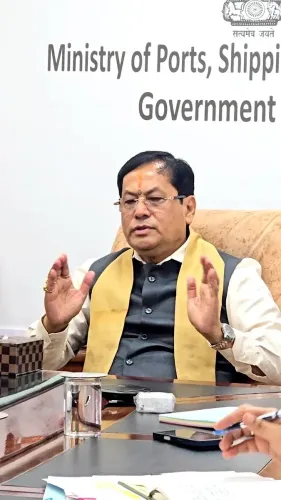
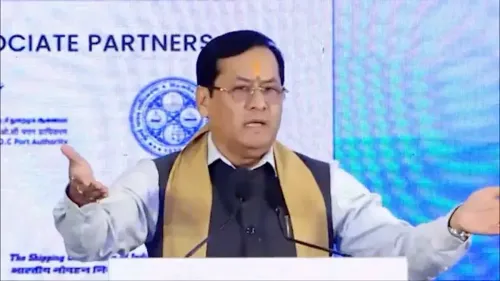
India's maritime ambitions took centre stage on Monday, November 16, 2026, as Union Minister of Ports, Shipping and Waterways Sarbananda Sonowal chaired the Global Maritime Leaders' Open House at the India Shipbuilding Investment Conclave 2026 — bringing together shipbuilders, marine equipment manufacturers, and stakeholders from across the country's maritime ecosystem to forge the partnerships that could redefine India's standing in global shipbuilding.
What the Open House set out to do
Sonowal described the engagement as 'vital in forging partnerships and bolstering India's ambition to emerge as a global shipbuilding and maritime powerhouse.' The Open House format — an interactive dialogue rather than a formal presentation — signals a deliberate push to hear directly from industry before policy is shaped. Shipbuilders and marine equipment manufacturers rarely get a ministerial forum of this scale to table concerns on investment conditions, regulatory gaps, and technology access.
India's small but contested slice of a giant industry
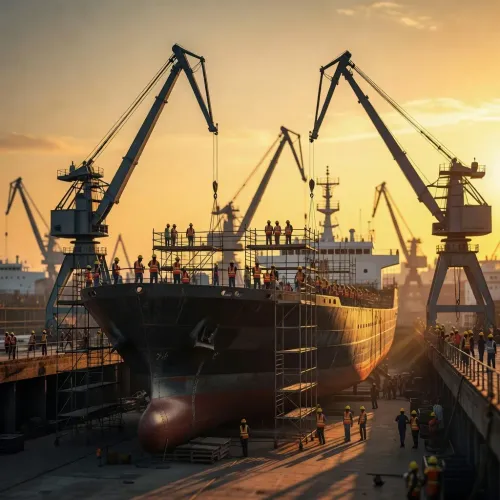
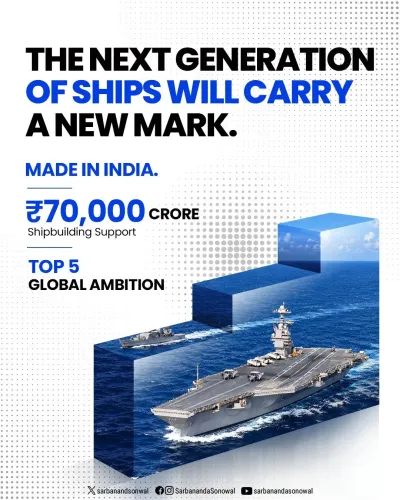
The backdrop matters enormously here. Global shipbuilding is dominated overwhelmingly by China, South Korea, and Japan, which together account for the vast bulk of world output. India's share remains marginal — a gap that successive governments have flagged as both an economic vulnerability and a strategic opportunity. Under the Atmanirbhar Bharat manufacturing push, the Ministry of Ports, Shipping and Waterways has worked to position shipbuilding as a high-priority sector for domestic capability-building and export ambition.
The foundation for this push was laid with the Sagarmala Project, launched in 2015, which aimed at port-led development and the strengthening of India's maritime infrastructure and logistics chain. That framework created the institutional scaffolding — upgraded ports, inland waterway connectivity, coastal economic zones — on which a serious shipbuilding industry would need to stand. The 2026 Conclave is a natural extension of that decade-long build-up, now explicitly targeting investment and technology tie-ups to convert ambition into orders and vessels.
Partnerships and capital — the twin asks of the conclave
The conclave's core pitch to private capital is straightforward: India has the coastline, the growing order book for defence and commercial vessels, and the policy intent — what it needs is technology partners and long-term investors willing to bet on a sector still finding its footing. Investment commitments and partnership announcements from this gathering, along with any follow-up signals on shipbuilding subsidies or regulatory reform, will be the real measure of whether the dialogue translates into dry-dock capacity.
For Sonowal, chairing this session is also a statement of ministerial priority. As former Chief Minister of Assam now steering national maritime policy, he has consistently used industry summits as a tool to accelerate stakeholder alignment — the kind of pre-legislative consultation that, when it works, compresses the time between policy intent and project ground-break.
India does not become a shipbuilding powerhouse in a single conclave. But it starts there.
Point of View
Not just capital incentives, is the missing ingredient. India's window to carve out shipbuilding market share is real but narrow: global order books are cyclical, and competitors are not standing still. How quickly the Ministry converts conclave conversations into concrete subsidy structures and technology-transfer agreements will determine whether 2026 is remembered as a turning point or another warm-up act.
NationPress
16 Nov 2026
Frequently Asked Questions
What is the India Shipbuilding Investment Conclave 2026?
The India Shipbuilding Investment Conclave 2026 is an industry event focused on attracting investment, forging partnerships, and accelerating growth in India's shipbuilding and marine equipment sectors, organised as part of the government's push to expand domestic maritime manufacturing capacity.
What is India's current position in global shipbuilding?
India holds a small share of global shipbuilding output, which is dominated by China, South Korea, and Japan. The government has identified expanding this share as a strategic and economic priority under the Atmanirbhar Bharat initiative.
What is the Sagarmala Project and how does it relate to shipbuilding?
The Sagarmala Project was launched in 2015 to promote port-led development and strengthen India's maritime infrastructure and logistics. It created the port and waterway framework that now supports India's broader shipbuilding ambitions.
Who is Sarbananda Sonowal?
Sarbananda Sonowal is India's Union Minister of Ports, Shipping and Waterways, a senior BJP leader, and former Chief Minister of Assam. He oversees national maritime policy, port development, and India's shipbuilding strategy.
What outcomes should be watched from the 2026 Shipbuilding Conclave?
Key outcomes to watch include investment commitments from domestic and foreign players, technology tie-up announcements between Indian and global shipbuilders, and any follow-up government signals on shipbuilding subsidies or regulatory reforms.