India and Russia Engage in Vital Discussions on UNSC Reforms and Counter-Terrorism Efforts
Synopsis
In a crucial diplomatic meeting, India and Russia convened to discuss pressing issues concerning the UN Security Council, focusing on counter-terrorism and peacekeeping. The talks emphasize the need for reform and stronger collaboration against global threats.
Key Takeaways
India and Russia held the 7th UN Consultations in New Delhi.
Discussions focused on UNSC reforms, counter-terrorism, and peacekeeping.
Co-chaired by Indian and Russian officials, highlighting diplomatic collaboration.
Russia advocates for India's permanent UNSC membership.
Both nations emphasize a zero-tolerance policy on terrorism.
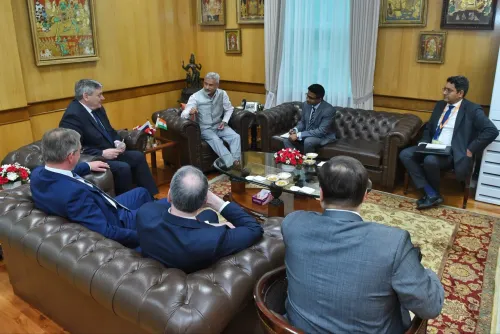
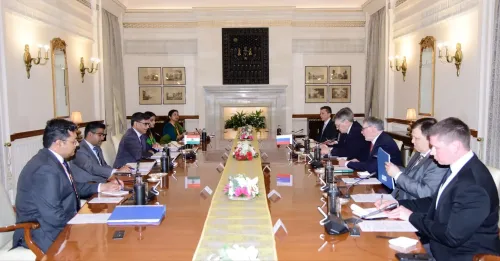
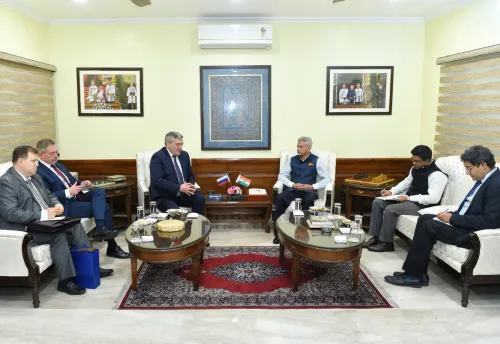
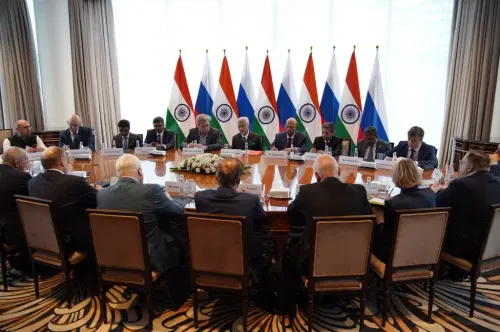
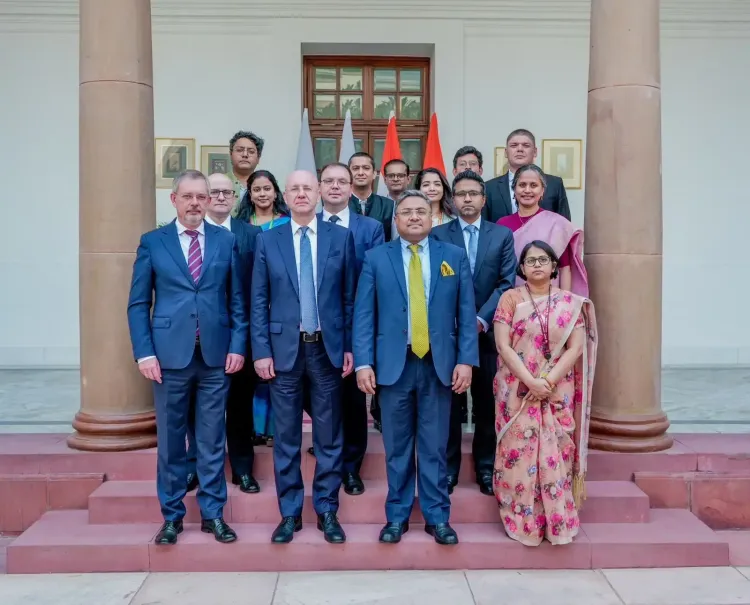
New Delhi, March 17 (NationPress) In a significant diplomatic engagement, India and Russia convened the 7th UN Consultations in New Delhi on Tuesday. The primary focus of this meeting was the agenda of the United Nations Security Council (UNSC), with key discussions revolving around counter-terrorism, peacekeeping, and UNSC reforms, among various other topics.
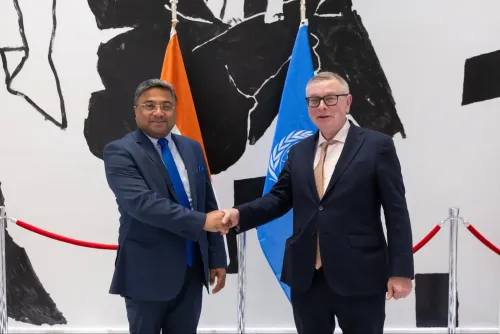
Co-chaired by Secretary (West) of the Ministry of External Affairs (MEA), Sibi George, and Russia's Deputy Foreign Minister, Alexander Alimov, the meeting also saw the participation of Russia's Ambassador to India, Denis Alipov, along with other officials.
According to MEA spokesperson Randhir Jaiswal, both nations shared their priorities within the United Nations, emphasizing issues tied to the UNSC agenda, particularly concerning counterterrorism and peacekeeping.
Historically, Russia has advocated for the permanent representation of India, Brazil, and African nations within the UNSC to better reflect the global majority's interests.
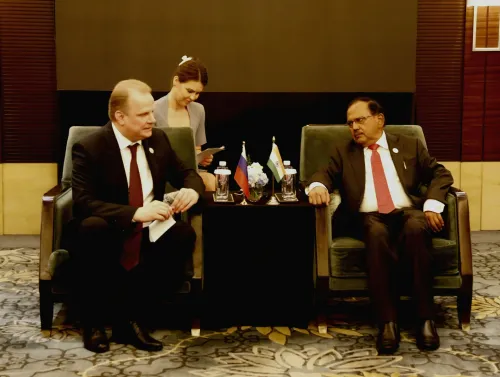
Earlier last month, Sibi George met with Alexander Alimov during the latter's visit to India for the AI Impact Summit.
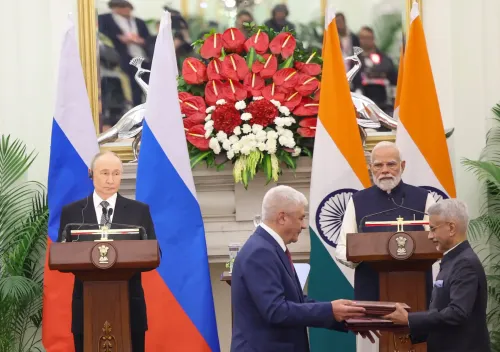
In December, during the 23rd India-Russia Annual Summit held in New Delhi, Prime Minister Narendra Modi and Russian President Vladimir Putin discussed the necessity of comprehensive reforms to the UNSC, aiming to enhance its representation, effectiveness, and efficiency in addressing international peace and security challenges, as indicated in their joint statement. Russia reiterated its unwavering support for India's permanent membership in a reformed and expanded UNSC.
The leaders also advocated for a strict zero-tolerance policy towards terrorism and expedited efforts to finalize the Comprehensive Convention on International Terrorism under the UN framework, alongside the implementation of UNGA and UNSC resolutions focused on combating terrorism and the extremism that fosters it.
The joint statement highlighted the commitment of both parties to an uncompromising stance against international terrorism and extremism in all their forms, stressing the importance of enhancing cooperation in this domain, free from hidden agendas and double standards, anchored on international law and the UN Charter. Furthermore, they underscored the necessity for robust implementation of relevant UNSC and UNGA resolutions, as well as balanced execution of the UN Global Counter-Terrorism Strategy.
Point of View
The recent discussions between India and Russia underscore the growing importance of international cooperation in addressing security challenges. The emphasis on UNSC reforms and counter-terrorism reflects a proactive approach towards a more representative global governance structure, benefiting not just these nations but the international community at large.
NationPress
3 Oct 2026
Frequently Asked Questions
What were the main topics discussed during the meeting?
The main topics included UNSC reforms, counter-terrorism, and peacekeeping.
Who co-chaired the 7th UN Consultations?
The meeting was co-chaired by Sibi George from India and Alexander Alimov from Russia.
What is Russia's position on India's role in the UNSC?
Russia has consistently supported India's permanent membership in a reformed UNSC.
What is the significance of the Comprehensive Convention on International Terrorism?
It aims to establish a comprehensive framework for combating terrorism globally.
When was the 23rd India-Russia Annual Summit held?
The summit took place in December, where Modi and Putin discussed UNSC reforms.