India Advocates for Enhanced WTO Role in Global Trade
Synopsis
As the world grapples with increasing protectionism, India is poised to advocate for a strengthened WTO at the upcoming conference in Cameroon, aiming for a fair global trading environment.
Key Takeaways
India is advocating for a stronger WTO role to ensure fair global trade.
The conference will address critical issues like the IFD Agreement and agricultural subsidies.
India emphasizes the need for protection of food security and support for small farmers.
Concerns about protectionism and tariff actions from the US are also on the agenda.
India insists on equitable trade rules to limit developed nations' subsidies.
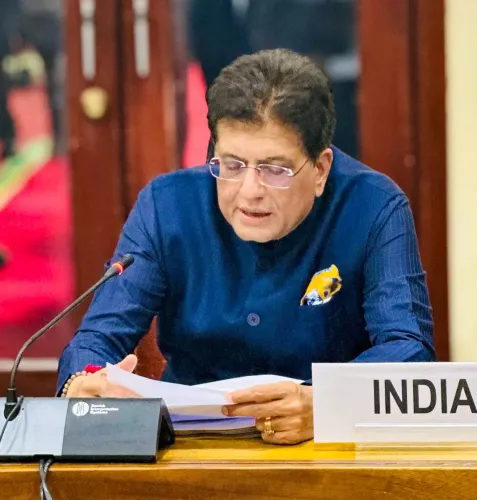
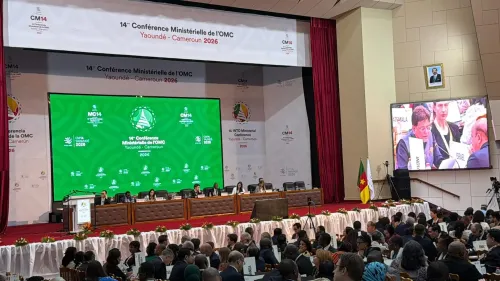
New Delhi, March 20 (NationPress) India is set to present a robust case for enhancing the role of the World Trade Organization (WTO) in advocating for a just multilateral global trading system during the upcoming ministerial conference in Cameroon, scheduled from March 24 to 29. This comes at a time when protectionism and geopolitical tensions are on the rise worldwide.
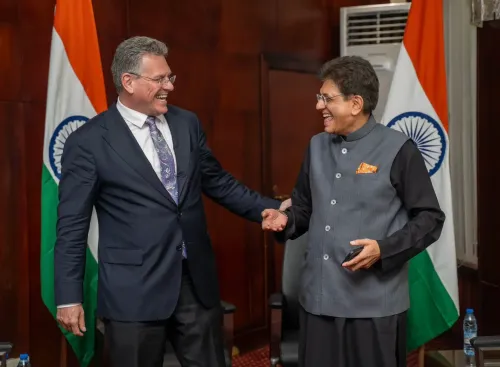
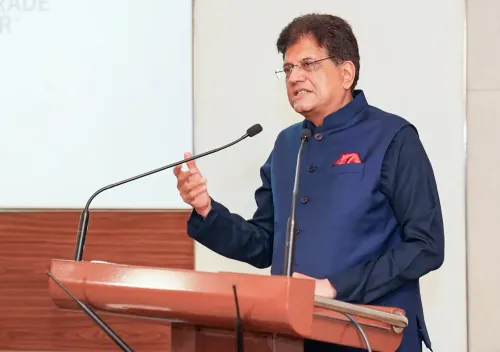
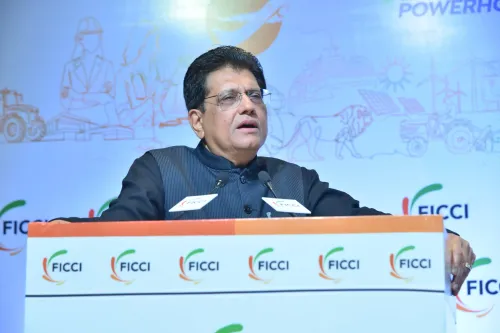
The Indian delegation, headed by Commerce and Industry Minister Piyush Goyal, will include Commerce Secretary Rajesh Agrawal and various officials from the ministry.
India believes that strengthening the WTO is essential for enabling the organization to have a more significant impact on global trade.
Among the key topics to be discussed are the China-led proposal regarding the Investment Facilitation for Development (IFD) Agreement, and the maintenance of the 28-year moratorium on e-commerce transactions. Additionally, discussions are expected to focus on agriculture and the proposed Fisheries-II agreement concerning subsidies, both of which are crucial for developing nations.
India argues that the IFD is a plurilateral agreement being forced into a multilateral setting without the necessary consensus from all members. The country contends that investment should not be equated with trade in goods or services, and negotiating it within the WTO could set a perilous precedent. This situation raises alarms that streamlined administrative processes might limit a nation's capacity to regulate foreign direct investment (FDI) in accordance with its development needs.
Regarding agriculture, India's position at the WTO emphasizes safeguarding its food security and supporting small farmers by advocating for a permanent solution on public stockholding for food security solutions. India seeks fairer trade regulations to curtail subsidies from developed nations and to protect its rights to minimum support prices (MSP) without interference from the WTO.
Furthermore, India is committed to safeguarding the livelihoods of its small-scale, traditional fishers at the WTO, advocating for long-term policy flexibility and opposing restrictions on subsidies that bolster their survival. India insists on a 25-year transition period for developing countries to adhere to subsidy bans, stressing that developed nations, responsible for extensive industrial fishing, must take primary responsibility for reducing their subsidies.
Sources suggest that tariff actions from the United States may also be raised during the conference, as member countries express concerns about protectionist policies.
India's overarching position is that the World Trade Organization (WTO) must be fortified to effectively ensure a fair and rules-based multilateral trading framework.
Point of View
India's proactive stance at the WTO reflects its commitment to ensuring a just and equitable global trading environment. Strengthening the WTO is crucial for addressing the challenges posed by rising protectionism and geopolitical uncertainties.
NationPress
23 Sept 2026
Frequently Asked Questions
What is the main objective of India's participation in the WTO conference?
India aims to advocate for a strengthened WTO to foster a fair multilateral trading system amidst rising protectionism.
Who is leading the Indian delegation at the WTO conference?
The Indian delegation will be led by Commerce and Industry Minister Piyush Goyal.
What critical issues will be discussed at the conference?
Key topics include the IFD Agreement, e-commerce moratorium, agriculture, and fisheries subsidies.
Why does India oppose the IFD Agreement?
India argues that the IFD is being pushed into a multilateral forum without full member consensus and could undermine national regulatory powers.
What is India's stance on agriculture at the WTO?
India seeks to protect its food security and supports small farmers by advocating for permanent solutions on public stockholding.