India Advocates for Inclusive WTO Reforms Centered on Global South
Synopsis
India strongly advocates for WTO reforms that prioritize the Global South, ensuring the protection of developing countries' rights while emphasizing transparency and inclusivity in decision-making. Commerce Minister Piyush Goyal calls for urgent attention to key agricultural issues and a functional dispute settlement system.
Key Takeaways
India emphasizes WTO reforms that are transparent and inclusive.
Special rights for developing countries are central to these reforms.
A functional dispute settlement system is essential for effective redressal.
Key agricultural issues must be prioritized for the Global South.
Emerging technologies should promote equity and welfare.
New Delhi, March 26 (NationPress) India made a strong case on Thursday for reforms within the WTO that prioritize a transparent, inclusive, and member-driven approach, ensuring that the special rights of developing countries remain central to its mission in line with the foundational principles of the multilateral body.
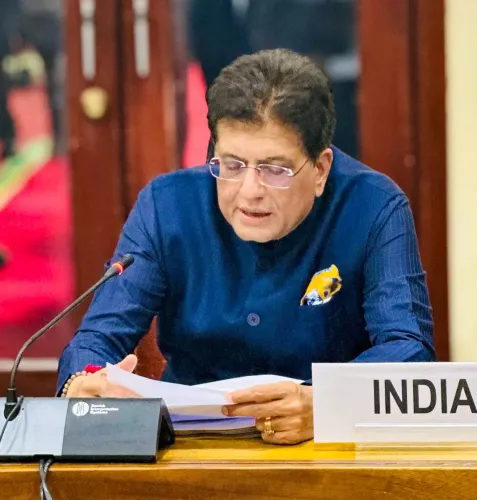
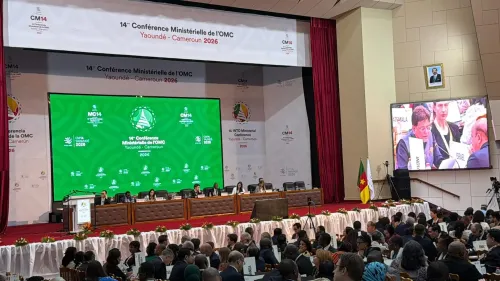
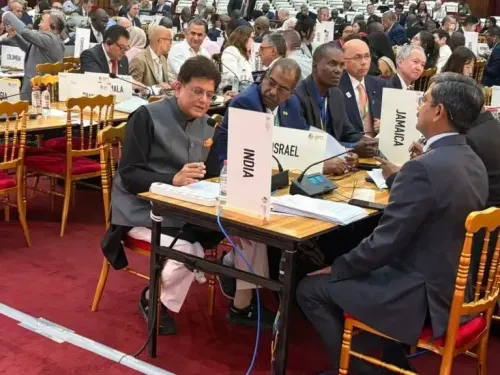
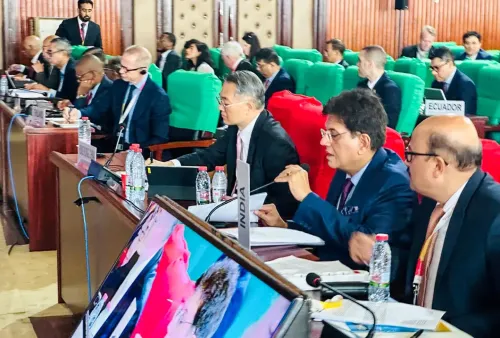
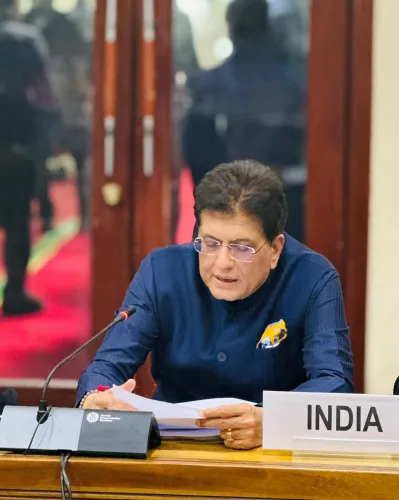
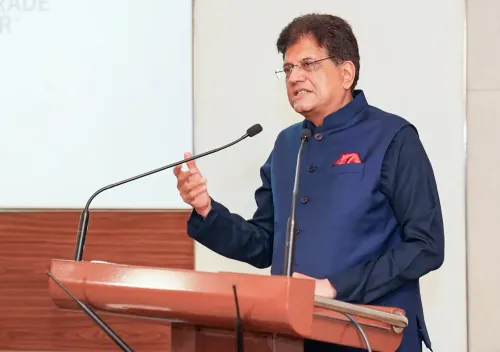
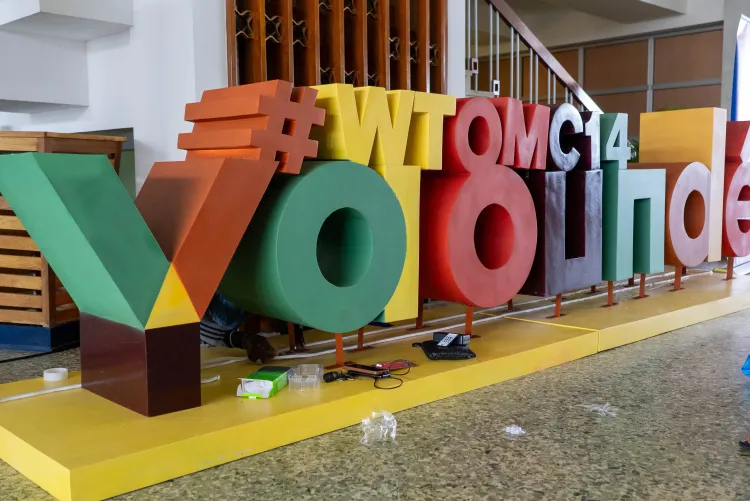
During his address at the WTO ministerial conference in Cameroon, Commerce Minister Piyush Goyal emphasized that reforms should focus on development, with a primary emphasis on non-discrimination and consensus-based decision-making to guarantee equity.
He pointed out that the Special and Differential Treatment provisions within WTO agreements, which grant special privileges to developing countries, must be clear, effective, and operational.
"Agriculture is vital for the livelihoods of millions. For the Global South, achieving a permanent solution for public stockholding related to food security, establishing a special safeguard mechanism, and addressing cotton issues are critical and long-standing mandates. We must prioritize these," Goyal remarked.
India remains dedicated to negotiating a comprehensive Fisheries Subsidies Agreement that takes into account both current and future fishing needs while safeguarding the livelihoods of small-scale fishers through appropriate and effective Special and Differential Treatment (S&DT), he added.
He further stressed that past mandates should be prioritized. The current dysfunctional dispute settlement system has hindered members from seeking effective remedies. It is essential to restore the automatic and binding dispute settlement system, the minister argued.
Additionally, he mentioned that the integration of plurilateral outcomes into the WTO framework should be based on consensus and should not undermine the existing rights of non-parties or impose further obligations on them.
In light of the absence of a consensus among members on the scope of the moratorium on customs duties for electronic transmissions, and given its potentially significant repercussions, Goyal noted that the ongoing extension of this moratorium should be carefully reconsidered.
Guided by Prime Minister Narendra Modi at the recent Global AI Impact Summit, Goyal reiterated that India believes emerging technologies should serve 'Sarvajan Hitaya, Sarvajan Sukhaya' (welfare for all and happiness for all). The multilateral trading system must also ensure equitable sharing of innovation, development, and opportunities among all members.
Goyal highlighted the necessity of constructive engagement to reaffirm that the WTO remains at the heart of global trade, striving for reforms that ensure responsiveness, development, equity, and inclusiveness, ultimately transforming the system to better serve the interests of the poor, vulnerable, and marginalized communities, anchored in consensus and multilateralism.
Point of View
India's push for reforms at the WTO highlights its commitment to the Global South. The focus on inclusivity and the protection of developing nations' rights is crucial in ensuring equitable global trade practices. As India navigates these reforms, it emphasizes the importance of consensus-driven approaches that benefit all members.
NationPress
27 Oct 2026
Frequently Asked Questions
What reforms is India advocating for in the WTO?
India is advocating for reforms that emphasize transparency, inclusivity, and the protection of special rights for developing countries, focusing on consensus-based decision-making.
Why are agricultural issues significant for the Global South?
Agricultural issues are critical as they directly impact the livelihoods of millions in the Global South, necessitating urgent solutions for food security and market stability.
What is the role of Special and Differential Treatment provisions?
These provisions grant developing countries special rights and favorable treatment within WTO agreements, aimed at ensuring their equitable participation in global trade.
What is the current status of the WTO's dispute settlement system?
The current dispute settlement system is dysfunctional, limiting members' ability to seek effective remedies, which India aims to restore to its automatic and binding form.
How does India view emerging technologies in relation to global trade?
India believes that emerging technologies should promote welfare and happiness for all, ensuring equitable access and benefits in the multilateral trading system.