Piyush Goyal Advocates for Consensus in WTO Decision-Making
Synopsis
Commerce Minister Piyush Goyal emphasizes the need for consensus-driven decisions at the WTO, asserting that such an approach is vital for the organization's legitimacy. With ongoing discussions about global trade reforms and sustainability, India is poised to play a crucial role in shaping these dialogues.
Key Takeaways
Consensus-based decision-making is essential for WTO legitimacy.
Ongoing discussions on global trade reforms and electronic commerce.
India supports a transparent and inclusive negotiation process.
Importance of addressing long-standing agricultural issues .
Concerns regarding the dysfunction of the dispute settlement system .
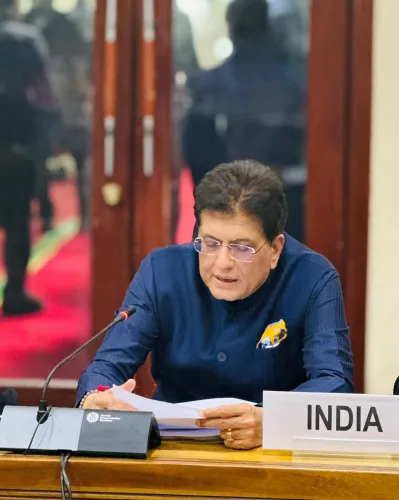
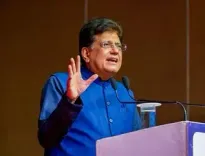
New Delhi, March 31 (NationPress) – Commerce Minister Piyush Goyal asserted that decision-making based on consensus is fundamental to the WTO’s credibility. Ongoing discussions concerning reforms in the global trading landscape, electronic commerce, non-violation of TRIPS, and support packages for least developed countries (LDCs) will be resumed in Geneva.
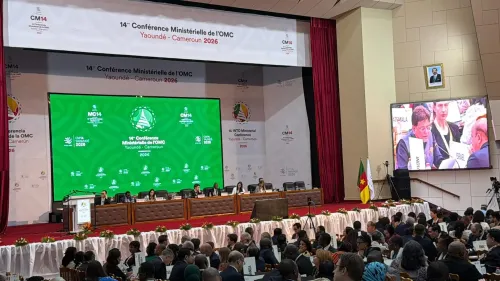
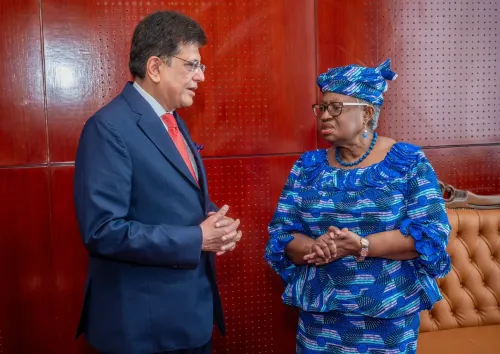
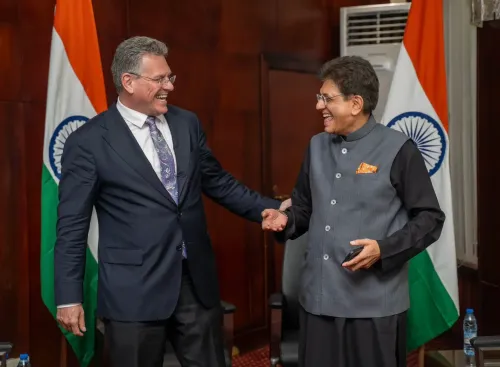
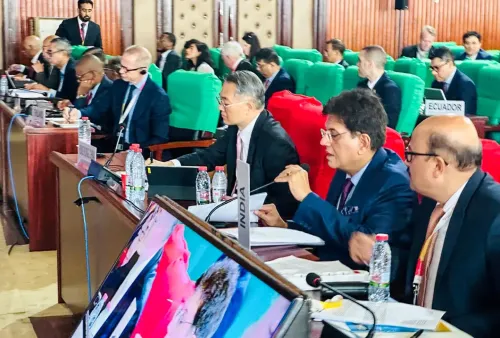
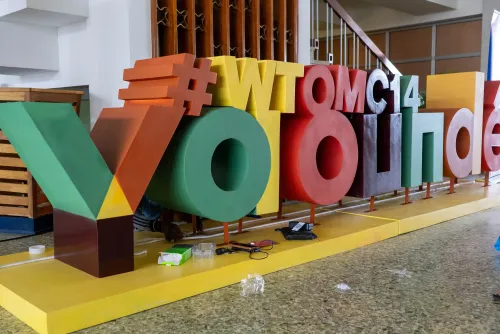
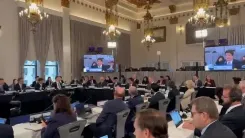
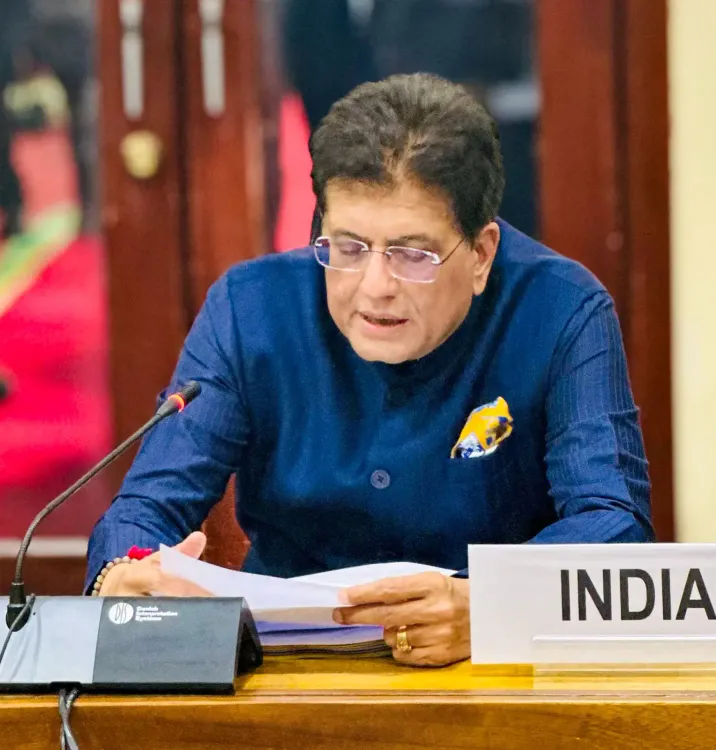
His comments followed the conclusion of the 14th Ministerial Conference of the WTO held in Yaounde, Cameroon, where he represented India.
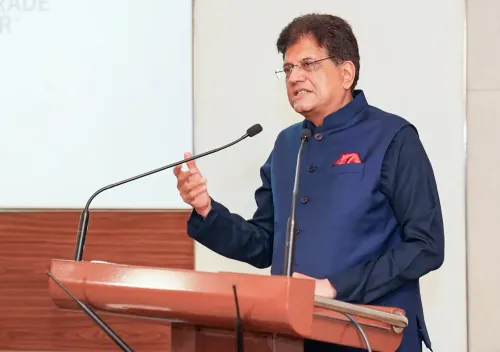
Goyal stressed the necessity for the WTO to respect the sovereign rights of its members, indicating that no member should feel obligated to adhere to agreements they do not support. While reiterating India’s commitment to a structured reform process with timelines, he highlighted the urgency for the WTO to conduct a transparent, inclusive, and member-driven evaluation of its current stalemate and its root causes.
India pointed out that a cohesive multilateral trading system cannot flourish amidst fragmentation within its institutional framework and urged that the consensus process should be grounded in principles of openness, transparency, inclusiveness, and active member participation.
Goyal showcased India’s proactive and historical conservation measures, such as the annual 61-day fishing ban, reinforcing India’s long-term dedication to sustainability, even before it became a global focus.
He warned that the inclusion of the Investment Facilitation for Development Agreement might undermine the operational boundaries of the WTO and its foundational principles.
During MC-14, India engaged constructively regarding the moratorium on customs duties related to electronic transmissions, yet no agreement was reached among member nations.
India advocated for a cautious stance in agricultural negotiations to ensure that discussions do not deviate from addressing longstanding issues concerning Public Stockholding (PSH), Special Safeguard Mechanism (SSM), and cotton, all of which align with previous ministerial directives, as stated by the Commerce Ministry.
Additionally, India supports the extension of the moratorium on non-violation and situation complaints (NVSC) within the TRIPS framework.
At the Yaounde conference, ministers agreed to persist with negotiations on fisheries subsidies, aiming to deliver recommendations for MC-15 that align with the comprehensive regulations outlined in Article 12 of the Agreement on Fisheries Subsidies. They also ratified two MC-14 resolutions that had been previously supported in Geneva: one focusing on integrating small economies into the multilateral trading system and the other enhancing the effective implementation of special and differential treatment provisions in the Agreements on Sanitary and Phytosanitary Measures (SPS) and Technical Barriers to Trade (TBT).
Goyal reiterated the importance of prioritizing long-standing issues such as food security, PSH, and SSM on cotton while addressing new matters to rectify structural imbalances. He also pointed out the ongoing dysfunction of the dispute settlement system as a significant concern.
India cautioned against the misuse of transparency as a means to justify trade retaliation or challenge legitimate domestic policies, emphasizing that all members should have equitable opportunities to enhance productive capacity, create jobs, and engage meaningfully in global trade.
Point of View
Piyush Goyal's emphasis on consensus within the WTO showcases India's commitment to collaborative governance in global trade. This approach not only respects the sovereignty of member nations but also seeks to address critical issues faced by developing countries.
NationPress
3 Oct 2026
Frequently Asked Questions
What did Piyush Goyal emphasize regarding WTO decision-making?
Piyush Goyal highlighted the importance of consensus-based decision-making as fundamental to the WTO’s legitimacy.
What are the key issues discussed at the WTO Ministerial Conference?
Key issues included reforms in the global trading system, electronic commerce, TRIPS non-violation, and support for least developed countries.
Why is the moratorium on customs duties important?
The moratorium on customs duties for electronic transmissions is crucial for fostering a fair digital trading environment.
What is India's stance on agricultural negotiations within the WTO?
India advocates for a cautious approach to ensure that negotiations focus on longstanding issues like Public Stockholding and Special Safeguard Mechanism.
What role does sustainability play in India's WTO discussions?
Goyal emphasized India’s historical commitment to sustainability, including conservation efforts like the annual fishing ban.