India studying US sanctions law on Russian oil buyers, Goyal says
Synopsis
The US has a new weapon against Russian oil buyers — and India is in the crosshairs. The Lindsey O. Graham Act, signed by Trump on 18 September, empowers Washington to slap 100% tariffs on the top five buyers of Russian energy, a list that includes India and China. Commerce Minister Piyush Goyal's careful 'we will study it' response signals New Delhi is buying time before a confrontation it cannot fully avoid.
Key Takeaways
Commerce Minister Piyush Goyal said India will study the new US law before taking a position, speaking in New Delhi on 21 September 2026 .
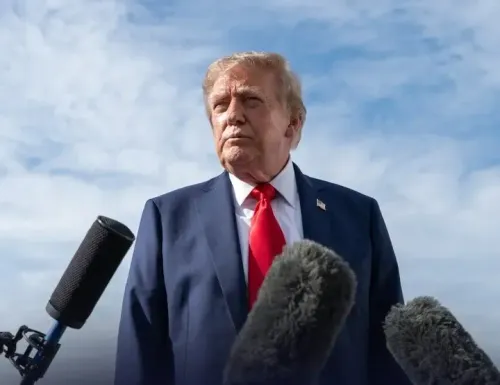
US President Donald Trump signed the Lindsey O.
Graham Sanctioning Russia and Iran Act of 2026 into law on 18 September 2026 .
The law allows tariffs of up to 100 per cent on the top five purchasers of Russian oil and gas — not an automatic duty, but the legal ceiling.
India and China are among the top two buyers of Russian oil and face potential exposure under the legislation.
Goyal is expected to discuss trade issues with US Trade Representative Jamieson Greer at the G20 Trade Ministerial in Milwaukee later this month.
The law exempts countries importing less than 15 per cent of natural gas from Russia that are working to cut dependence.
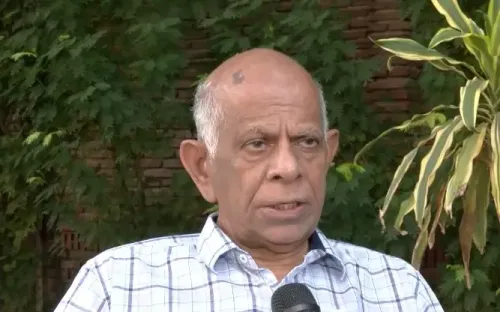
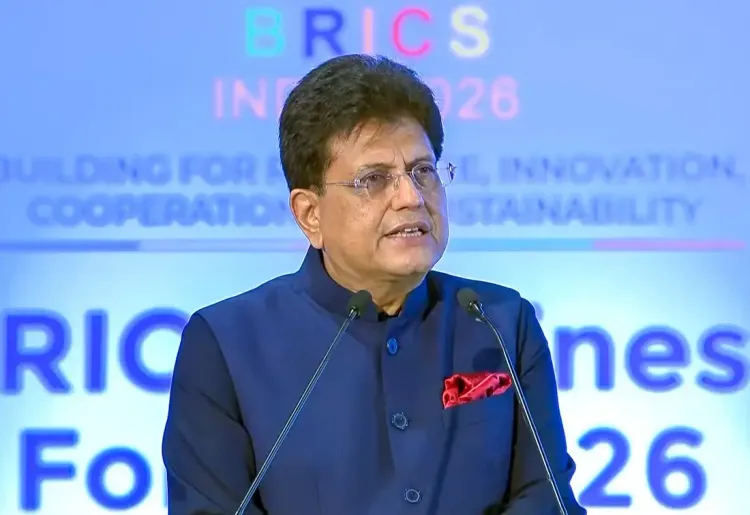
Commerce and Industry Minister Piyush Goyal on Monday, 21 September 2026, said India would first study the details of potential US tariffs on buyers of Russian oil before taking up the matter 'at an appropriate time.' His remarks came days after US President Donald Trump signed the Lindsey O. Graham Sanctioning Russia and Iran Act of 2026 into law on 18 September, a measure that could expose major Russian oil buyers — including India and China — to punishing duties on their exports to the United States.
What the New US Law Does
The legislation gives the Trump administration broad authority to impose tariffs of up to 100 per cent on the top five purchasers of Russian oil and gas. Crucially, this is not an automatic duty — it represents the ceiling of what the US could impose, leaving room for diplomatic negotiation. The law also targets Iran's energy and weapons sectors, and includes sanctions against Russian President Vladimir Putin, senior Russian government officials, and Russia's shadow fleet of tankers used to circumvent existing sanctions.
The legislation is named after the late Senator Lindsey Graham, who passed away in July 2026 and was one of the most prominent Congressional supporters of Ukraine during its prolonged war with Russia. The bill carries an exception for countries that import less than 15 per cent of their natural gas from Russia and are actively working to reduce that dependence.
India's Exposure and Goyal's Response
India and China rank among the top two buyers of Russian oil globally — a position both countries have consolidated since Western sanctions began following Russia's invasion of Ukraine. Speaking at an event in New Delhi, Goyal said: 'The details are now emerging. We will study them and discuss the matter at an appropriate time.'
His measured response signals that New Delhi is not yet prepared to commit to a policy position until the law's operational details — including which countries would be designated as top-five buyers and over what reference period — become clearer. India has consistently maintained that its energy procurement decisions are driven by national interest and energy security considerations.
India-US Trade Talks in the Background
The development arrives against the backdrop of ongoing bilateral trade negotiations between India and the United States. Both sides have remained in regular contact, and Goyal is expected to hold bilateral discussions with US Trade Representative Jamieson Greer on the sidelines of the G20 Trade Ministerial in Milwaukee later this month. Those talks could provide an early channel for India to raise its concerns about the new legislation's impact on trade flows.
Broader Geopolitical Context
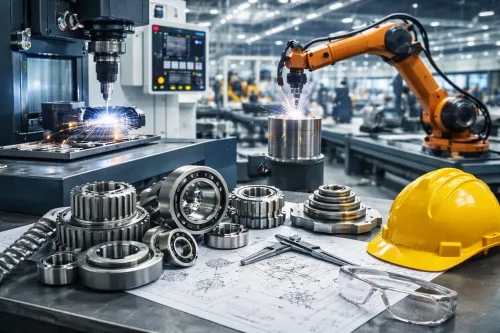
This comes amid a broader Western effort to tighten the financial and trade noose around Russia as the Ukraine war drags on. India has so far resisted direct pressure to curtail Russian oil purchases, arguing that it is not party to the conflict and that affordable energy is essential for its development goals. The new US law, however, raises the stakes by creating a legal mechanism for economic consequences that go beyond diplomatic pressure. Notably, if enforced against India, 100 per cent tariffs on Indian exports could inflict significant damage on sectors such as pharmaceuticals, textiles, and engineering goods that depend heavily on the US market.
With the G20 Trade Ministerial approaching and bilateral trade negotiations at a sensitive juncture, New Delhi's next move will be closely watched by both Washington and Moscow.
Point of View
Precisely when Washington's patience for such arrangements is wearing thinnest. The timing is doubly awkward, arriving just as India-US bilateral trade talks are at a sensitive phase and Goyal is heading to Milwaukee for G20 discussions. New Delhi will likely seek a carve-out or a bilateral exemption, but that leverage is finite — and the law's 15-per-cent natural gas threshold suggests Washington has already pre-negotiated the exit ramp it will offer, on its own terms.
NationPress
21 Sept 2026
Frequently Asked Questions
What is the Lindsey O. Graham Sanctioning Russia and Iran Act of 2026?
It is a US law signed by President Donald Trump on 18 September 2026 that authorises the administration to impose tariffs of up to 100 per cent on the top five purchasers of Russian oil and gas. The legislation also targets Iran's energy and weapons sectors and includes sanctions against Russian President Vladimir Putin and Russia's shadow tanker fleet.
Does the law automatically impose 100% tariffs on India?
No. The 100 per cent figure is the maximum tariff the US administration is empowered to impose under the law, not an automatic duty. Whether and when tariffs are applied — and to which countries — remains a discretionary decision for the Trump administration.
Why is India concerned about this law?
India is among the top two global buyers of Russian oil and could be designated under the law's top-five-buyer threshold. If tariffs were imposed, they could hit Indian exports to the US — including pharmaceuticals, textiles, and engineering goods — severely affecting key industries.
What is India's response so far?
Commerce and Industry Minister Piyush Goyal said on 21 September 2026 that India would study the law's details before discussing the matter 'at an appropriate time.' No formal policy position has been announced.
What exemptions does the law provide?
Countries that import less than 15 per cent of their natural gas from Russia and are actively working to reduce their dependence on Russian energy are exempt from the law's tariff provisions. India's eligibility under this exemption has not yet been officially assessed.