India-UK CETA takes effect July 15: Piyush Goyal explores trade opportunities in London
Synopsis
With the India-UK CETA set to kick in on 15 July 2026, Commerce Minister Piyush Goyal's London visit signals that both nations are moving from negotiation to execution. The agreement — covering trade, technology, defence, and critical minerals — is being positioned as a 'force multiplier' for the global economy, not just a bilateral deal.
Key Takeaways
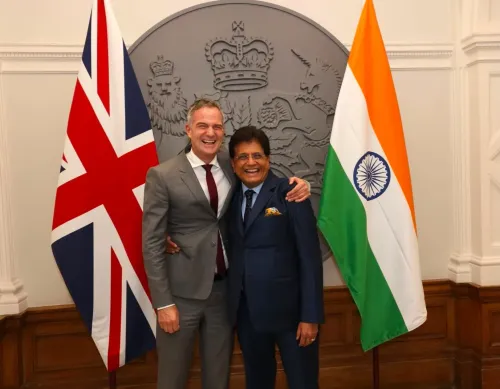
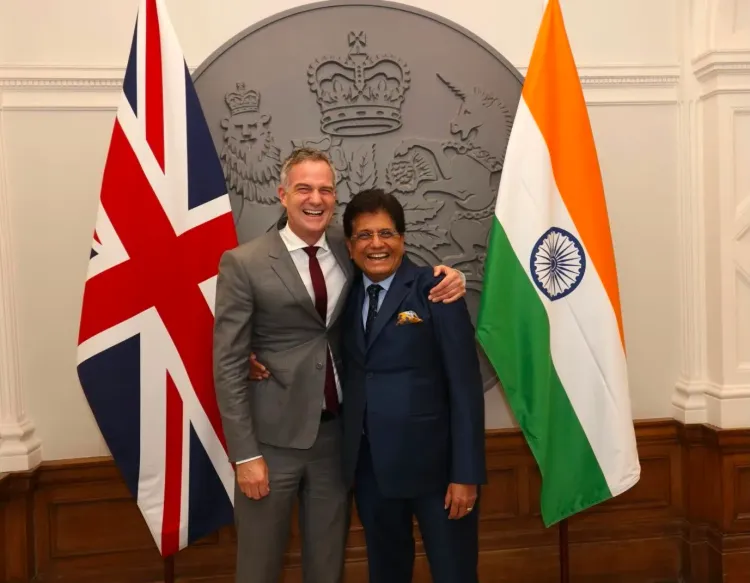
Commerce Minister Piyush Goyal held talks with UK Secretary of State Peter Kyle in London on 26 June 2026 .
The India-UK CETA and Double Contribution Convention (DCC) are set to come into effect on 15 July 2026 .
Goyal described the CETA as a 'force multiplier to support the global economy.' The bilateral partnership now covers technology, investments, defence, and critical minerals beyond traditional trade.
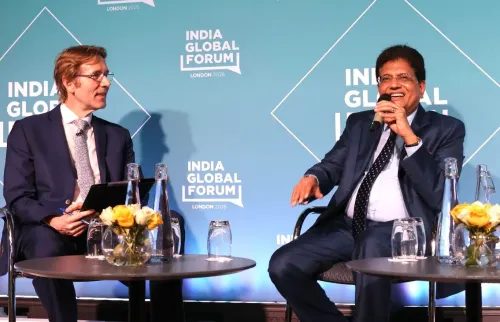
Goyal addressed a business reception at UK-India Week 2026 , urging industry leaders to leverage the agreement's full potential.
Commerce and Industry Minister Piyush Goyal held high-level discussions in London on Friday, 26 June 2026, exploring new avenues for deepening economic and trade cooperation between India and the United Kingdom, as both nations prepare for the landmark India-UK Comprehensive Economic and Trade Agreement (CETA) to come into force on 15 July 2026.
Key Discussions with UK Trade Secretary
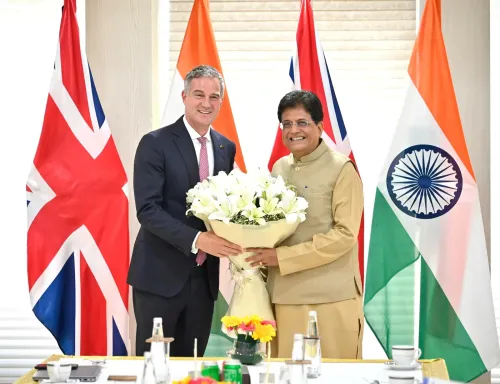
Goyal met Peter Kyle, the UK's Secretary of State for Business and Trade, for what the minister described as 'meaningful discussions'. In a post on X, Goyal said the conversation 'reflected the warmth, trust and forward-looking vision that continue to define our bilateral partnership.' The two sides discussed how the CETA and the Double Contribution Convention (DCC) — both taking effect on 15 July 2026 — would reshape the economic relationship between the two countries.
Goyal at India Global Forum's UK-India Week 2026
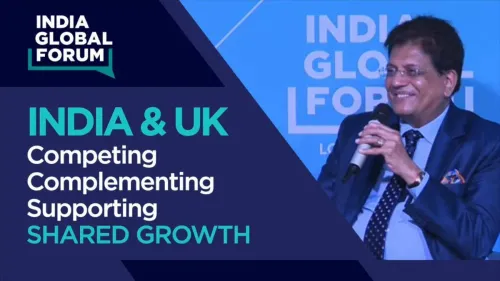
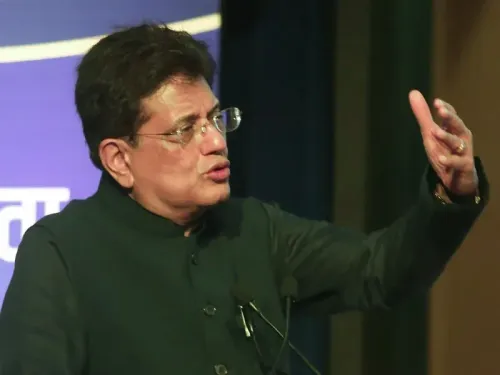
Speaking at the India Global Forum's UK-India Week 2026 in London, Goyal described the India-UK CETA as a 'force multiplier to support the global economy.' He noted that the bilateral partnership has evolved well beyond conventional trade ties to encompass cooperation in technology, investments, defence, and critical minerals. The minister said the growing engagement between the two nations reflects the increasing depth and strategic breadth of the relationship.
Business Reception and Industry Outreach
Goyal also addressed a business reception attended by a wide cross-section of business leaders and investors from both India and the UK. He urged participants to leverage the full potential of the CETA to deepen collaboration, accelerate trade and investment flows, and drive innovation across sectors. 'Spoke about how the India-UK Comprehensive Economic and Trade Agreement will unlock immense opportunities for growth and prosperity on both sides,' the minister said.
What the CETA and DCC Mean for Both Nations
The CETA, once in effect, is expected to reduce tariff and non-tariff barriers across a wide range of goods and services, benefiting Indian exporters in sectors such as textiles, pharmaceuticals, and IT services, while opening Indian markets to British financial services and advanced manufacturing. The Double Contribution Convention is expected to provide relief to Indian professionals working in the UK, eliminating the requirement to pay social security contributions in both countries simultaneously. This comes amid a broader push by India to finalise and activate free trade agreements with key global partners, having already concluded deals with the UAE and Australia in recent years.
What Comes Next
With the 15 July 2026 implementation date approaching, both governments are expected to expedite the administrative and regulatory groundwork needed for smooth operationalisation. Industry bodies on both sides have welcomed the agreement, though trade experts have flagged the need for robust implementation mechanisms to ensure that the anticipated gains in investment and employment materialise on the ground.
Point of View
And this one covers services and professionals, not just goods. But the real test will be implementation: past Indian FTAs, including with ASEAN, have seen utilisation rates fall well short of projections due to rules-of-origin complexity and procedural friction. The Double Contribution Convention is the more immediately tangible win for the Indian diaspora in the UK, but its benefits will only flow if awareness campaigns reach working professionals in time. Goyal's 'force multiplier' framing is aspirational; the harder work begins on 16 July.
NationPress
26 Jun 2026
Frequently Asked Questions
What is the India-UK CETA and when does it come into effect?
The India-UK Comprehensive Economic and Trade Agreement (CETA) is a landmark bilateral trade deal covering goods, services, investments, technology, and strategic sectors. It is set to come into force on 15 July 2026, alongside the Double Contribution Convention (DCC).
What is the Double Contribution Convention between India and the UK?
The Double Contribution Convention (DCC) is an agreement that prevents Indian professionals working in the UK from having to pay social security contributions in both countries simultaneously. It is scheduled to take effect on 15 July 2026, alongside the CETA.
What did Commerce Minister Piyush Goyal discuss during his London visit?
Goyal met UK Secretary of State for Business and Trade Peter Kyle for discussions on deepening bilateral economic and trade ties. He also addressed a business reception and spoke at the India Global Forum's UK-India Week 2026, urging industry leaders to leverage the CETA's potential.
Which sectors does the India-UK trade partnership now cover?
According to Minister Goyal, the India-UK relationship has expanded beyond traditional trade to include cooperation in technology, investments, defence, and critical minerals, reflecting the growing strategic depth of the bilateral partnership.
Why is the India-UK CETA significant for India?
The CETA is one of India's few comprehensive trade agreements with a major Western economy. It is expected to reduce tariff and non-tariff barriers, benefit Indian exporters in textiles, pharmaceuticals, and IT services, and provide relief to Indian professionals in the UK through the Double Contribution Convention.