India-UK FTA: Textiles, footwear, autos race to maximise export gains
Synopsis
The India-UK FTA is live — and Indian textile, footwear, auto, and seafood exporters are already in planning mode with British buyers. The deal covers 99% of Indian exports and targets a structural gap: Pakistan holds 55% of UK home textile imports; India just 6-7%. The catch? India historically uses only 20-30% of its FTA preferences, and small businesses remain the weakest link.
Key Takeaways
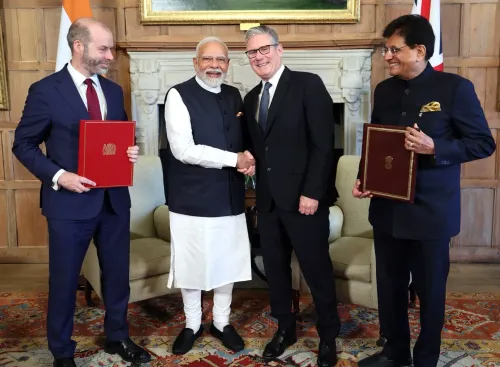
The India-UK Free Trade Agreement (FTA) came into force on Wednesday, 15 July 2025 , covering 99% of Indian exports to the UK.
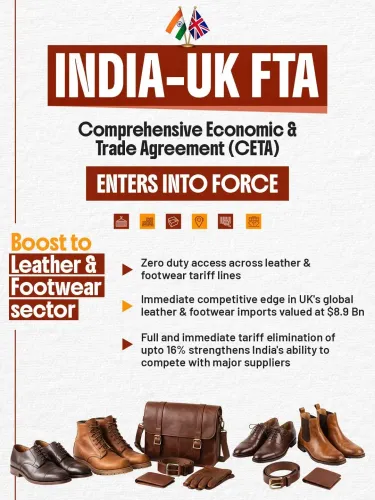
Key beneficiary sectors include textiles , footwear , carpets , automobiles , seafood , and certain fruits , which previously faced UK tariffs of 4% to 16% .
Welspun Living CEO Dipali Goenka said British buyers have already visited India to plan a multi-year business roadmap following the deal.
Pakistan holds approximately 55% of UK home textile imports; India's share stands at just 6-7% — the gap the FTA aims to close.
India's exports to the UK stood at $13.4 billion in FY26 , with over half already entering duty-free under MFN terms, per GTRI data.
Analysts warn the impact may be 'incremental rather than transformational' given India's historically low FTA utilisation rate of 20-30% .
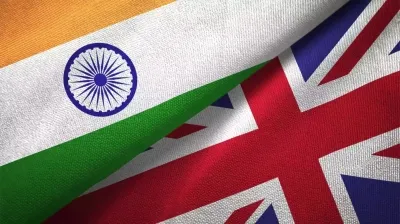
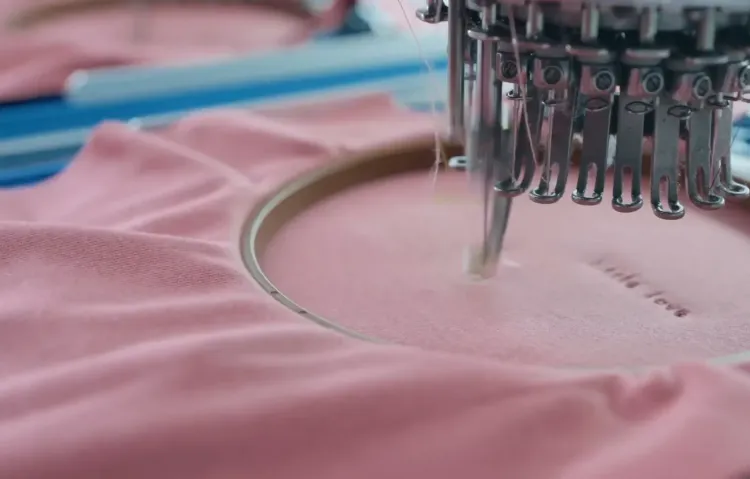
Indian companies in labour-intensive sectors — including textiles, garments, footwear, automobiles, and marine products — are gearing up to capitalise on the India-UK Free Trade Agreement (FTA), which came into force on Wednesday, 15 July 2025, according to a new industry report. The deal eliminates or reduces tariffs on approximately 99 per cent of Indian exports to the United Kingdom, potentially erasing a long-standing competitive disadvantage against rivals such as Bangladesh and Pakistan.
The Competitive Gap India Aims to Close
Until now, goods from Bangladesh and Pakistan entered the UK duty-free under the Developing Countries Trading Scheme, leaving Indian exporters at a structural disadvantage. The FTA levels that playing field. Dipali Goenka, Chief Executive of Welspun Living — the Indian company that manufactures championship towels for Wimbledon — said the agreement has already triggered closer coordination with British buyers.
'Many British brands that are our buyers came to India in recent weeks to chart a business roadmap for the next few years,' Goenka said. 'We typically did joint forward planning only for our U.S. customers, but now, with the deal, it's happening with U.K. clients too,' she added. On the home textiles opportunity, she noted: 'If you look at just home textiles, Pakistan's share of UK exports is at around 55 per cent, whereas India's is just 6-7 per cent. That's the gap we can finally cover.'
Key Beneficiary Sectors
Analysts identified the primary winners as sectors that previously faced UK import tariffs of 4 per cent to 16 per cent — including textiles, footwear, carpets, cars, seafood, and certain fruits. These industries could see higher export orders, larger shipment volumes, and improved profit margins as the tariff barrier falls away.
The British government has described the agreement as its biggest and most economically significant bilateral trade pact since leaving the European Union — a signal of how strategically the UK views the Indian market in its post-Brexit trade architecture.
The Utilisation Challenge
Despite the optimism, analysts cautioned that the overall impact is likely to be 'incremental rather than transformational'. Historically, only about 20-30 per cent of India's eligible exports have actually used FTA preferences — a structural weakness rooted in low awareness among smaller businesses. 'Historically India's utilisation of FTAs has been low because small businesses are often unaware of the new rules,' the report noted.
This is not a new problem. India's earlier trade pacts with ASEAN, South Korea, and Japan all saw below-potential utilisation in the first few years, particularly among MSMEs that lacked the documentation capacity to claim preferential rates. The India-UK FTA faces the same risk unless outreach efforts scale rapidly.
India's UK Export Baseline
According to data from the Global Trade Research Initiative (GTRI), India's exports to the UK reached $13.4 billion in FY26. Notably, more than half of those exports already entered the UK duty-free under its Most Favoured Nation (MFN) regime, meaning the FTA's marginal benefit is concentrated in the remaining portion — but that portion includes precisely the high-tariff, labour-intensive goods where India has the most room to grow.
With sectoral preparation underway and British buyers already visiting Indian factories, the early signals are encouraging. Whether the FTA delivers transformational scale or merely incremental gains will depend on how quickly India's export ecosystem — especially its small and mid-sized manufacturers — learns to navigate and leverage the new preferential framework.
Point of View
But the headline numbers flatter to deceive. Over half of India's UK exports were already duty-free under MFN — meaning the real prize is a targeted slice of high-tariff, labour-intensive goods. The 55% vs 6-7% home textiles comparison is striking, but Pakistan built that share over decades of preferential access; India will not recapture it in a single cycle. More critically, India's chronic FTA under-utilisation — rooted in MSME ignorance of rules of origin and documentation — has hobbled every major pact from ASEAN to Japan. Without a dedicated outreach and compliance-support programme for small exporters, the FTA risks becoming another agreement that large corporates use and small businesses ignore.
NationPress
14 Oct 2026
Frequently Asked Questions
What is the India-UK Free Trade Agreement and when did it take effect?
The India-UK Free Trade Agreement (FTA) is a bilateral trade pact that eliminates or reduces tariffs on approximately 99% of Indian exports to the United Kingdom. It came into force on 15 July 2025 and is described by the British government as its most significant trade deal since leaving the European Union.
Which Indian sectors stand to benefit most from the India-UK FTA?
Sectors that previously faced UK tariffs of 4% to 16% are the primary beneficiaries — including textiles, garments, footwear, carpets, automobiles, seafood, and certain fruits. These industries are expected to see higher export volumes and improved profit margins as tariff barriers fall.
How does the FTA help India compete with Bangladesh and Pakistan in the UK market?
Bangladesh and Pakistan previously enjoyed duty-free access to the UK under the Developing Countries Trading Scheme, giving their exporters a cost advantage over Indian rivals. The FTA narrows that gap by granting Indian goods preferential or zero-tariff access, making Indian products more price-competitive in the UK market.
What is India's current share of UK home textile imports, and what is the potential?
India currently accounts for just 6-7% of UK home textile imports, compared to Pakistan's approximately 55%, according to Welspun Living CEO Dipali Goenka. The FTA is expected to help Indian manufacturers close that gap by eliminating the tariff disadvantage that previously made Indian goods more expensive.
Why might the FTA's impact be limited despite its broad coverage?
Analysts warn that the overall impact could be 'incremental rather than transformational' because India has historically utilised only 20-30% of its FTA preferences. Small businesses are often unaware of the rules required to claim preferential tariff rates, a pattern seen in earlier pacts with ASEAN, South Korea, and Japan.