Fake currency worth ₹3.45 lakh seized in Jaipur ahead of Diwali, one held
Synopsis
With Diwali days away, Jaipur Police intercepted ₹3.45 lakh in high-quality counterfeit ₹500 notes allegedly sourced from Old Delhi — 690 fake notes so convincing they carried watermarks and near-identical print, exposed only by a serial number mismatch. The bust highlights a recurring festive-season pattern: counterfeit networks time their operations for peak cash-transaction periods when public scrutiny is lowest.
Key Takeaways
Jaipur Police's CST seized 690 counterfeit ₹500 notes with a face value of ₹3.45 lakh ahead of Diwali .
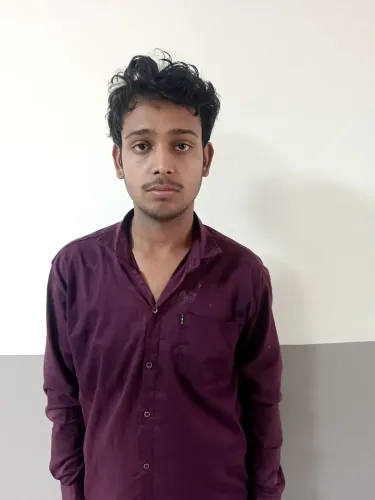
Arrested: Shahbaz Khan , 33, of Housing Board Colony, Nahari Ka Naka, Jaipur , on 26 October 2025 .
The fake notes were allegedly procured from the Jama Masjid area of Old Delhi for ₹1 lakh in genuine currency.
The notes closely resembled authentic currency with watermarks, but were exposed by a serial number mismatch ( ODG 787737 vs ODG 787731 ).
Investigation is ongoing to identify others in the counterfeit network; police have issued a public advisory on cash vigilance.
Jaipur Police's Commissionerate Special Team (CST) has seized counterfeit currency with a face value of ₹3.45 lakh in Jaipur, with the fake notes allegedly procured from Delhi and earmarked for circulation during the Diwali festive season. A 33-year-old man was arrested in the Bhatta Basti area on Sunday, 26 October 2025, in connection with the case.
The Accused and the Alleged Procurement Route
Special Commissioner of Police (Operations) Omprakash identified the arrested individual as Shahbaz Khan, a resident of Housing Board Colony, Nahari Ka Naka, Jaipur. According to police, Khan allegedly sourced the counterfeit notes from the Jama Masjid area of Old Delhi. Investigators said the deal reportedly involved obtaining fake currency with a face value of ₹3 lakh in exchange for just ₹1 lakh in genuine currency — a common pricing model used by counterfeit networks to profit while flooding markets with fake notes.
What Was Seized
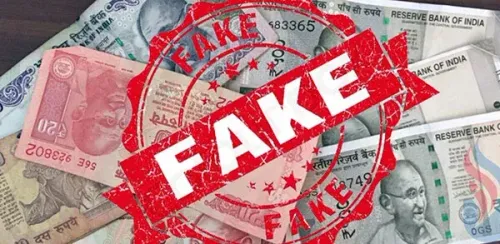
Police recovered 690 counterfeit notes, all in the denomination of ₹500, totalling a face value of ₹3.45 lakh. According to Special Commissioner Omprakash, the seized notes were difficult to identify at first glance, closely resembling authentic currency in paper quality, print, size, and cut. The notes also reportedly featured a watermark, further adding to their deceptive appearance.
However, investigators identified a critical discrepancy: on one note, the serial number 'ODG 787737' appeared at the top, while 'ODG 787731' was printed at the bottom. On a genuine note, the serial number must match in both locations. Differences in paper quality and printing, alongside this mismatch, helped authorities flag the consignment as counterfeit.
The Festive Season Connection
Police noted that counterfeit currency networks often intensify activity during festive periods, when cash transactions rise sharply and individuals are less likely to scrutinise every note carefully. The accused allegedly planned to circulate the fake notes across local markets during Diwali, taking advantage of the seasonal surge in cash dealings. This is consistent with a broader national pattern: law enforcement agencies routinely report increased counterfeit currency recoveries in the weeks preceding major festivals such as Diwali and Eid.
Investigation Status and Public Advisory
A case has been registered and further investigation is underway to trace the original source of the counterfeit currency and identify others linked to the racket. Investigators are examining Shahbaz Khan's local network to establish the full scale of the operation.
Police have urged the public to remain vigilant while handling cash during the festive season. Anyone suspecting a note is counterfeit should avoid passing it on and should seek verification through banking channels. Notes can also be examined using recognised currency-authentication methods, including ultraviolet-light checks where applicable.
Point of View
Suggesting this is not an isolated actor but likely a node in a larger, established supply chain rooted in Delhi. The real story is not one arrest but the upstream network: until the Old Delhi source is traced and dismantled, the seizure is a containment measure, not a solution.
NationPress
26 Oct 2026
Frequently Asked Questions
What counterfeit currency was seized in Jaipur ahead of Diwali?
Jaipur Police seized 690 counterfeit ₹500 notes with a combined face value of ₹3.45 lakh on 26 October 2025. The fake notes were allegedly procured from the Jama Masjid area of Old Delhi and intended for circulation during the Diwali festive season.
Who was arrested in the Jaipur fake currency case?
Shahbaz Khan, a 33-year-old resident of Housing Board Colony, Nahari Ka Naka, Jaipur, was arrested by the Commissionerate Special Team of Jaipur Police. He allegedly sourced the counterfeit notes from Old Delhi in exchange for ₹1 lakh in genuine currency.
How were the counterfeit notes identified?
Investigators found a critical serial number mismatch: 'ODG 787737' appeared at the top of a note while 'ODG 787731' was printed at the bottom. On genuine currency, both serial numbers must match. Differences in paper and print quality further confirmed the notes were fake.
Why do counterfeit currency networks target the Diwali season?
Counterfeit currency networks reportedly become more active during festive seasons because cash transactions increase sharply and consumers tend to scrutinise notes less carefully in the rush of shopping. Police have noted this is a recurring national pattern around major festivals.
What should the public do if they suspect a counterfeit note?
Police advise against circulating any note suspected to be counterfeit. Such notes should be taken to a bank for verification. Currency-authentication methods, including ultraviolet-light checks, can also help identify fake notes.